14 Proven Tips to Style Your Home Like a Designer
Styling your home like a designer doesn’t mean you need luxury furniture, custom-built pieces, or a huge budget. Professional designers rely on balance, proportion, layering, and intentional styling to create spaces that feel polished and high-end. These 14 proven tips to style your home like a designer focus on practical techniques that work in real homes, especially for Pinterest audiences who want inspiring yet achievable results. Whether you live in a small apartment or a larger home, these ideas will help you elevate your space with confidence and clarity.
Table of Contents
1. Start with a Clear Color Palette
Designers always begin with a clear color palette before styling any space. A consistent palette creates flow and makes rooms feel intentional instead of random.
Choose one main neutral color and two supporting shades. Repeat these colors across furniture, textiles, and décor to maintain visual harmony. This approach prevents visual clutter and makes even affordable items feel cohesive.
Pinterest-style homes rely heavily on unified color palettes because they photograph beautifully and feel calm, balanced, and professionally styled.
2. Focus on Balance, Not Perfection
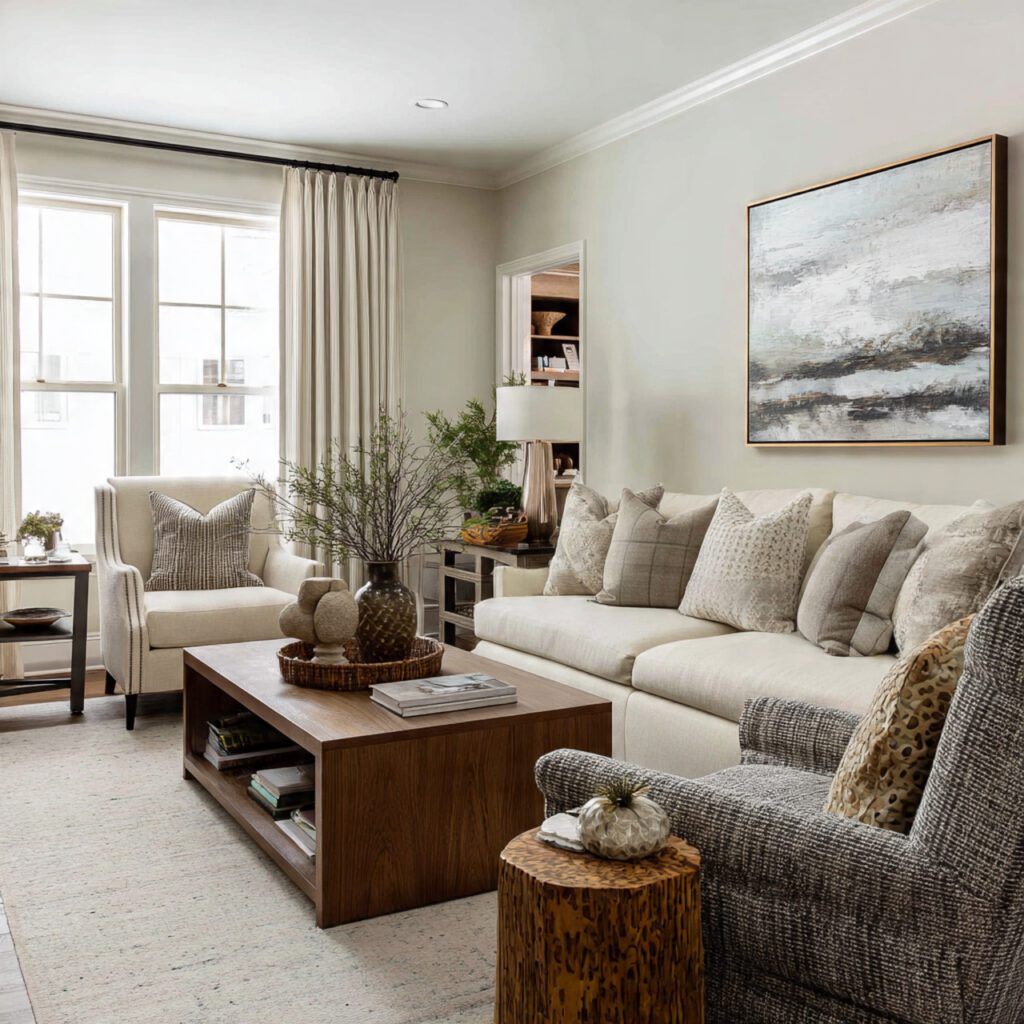
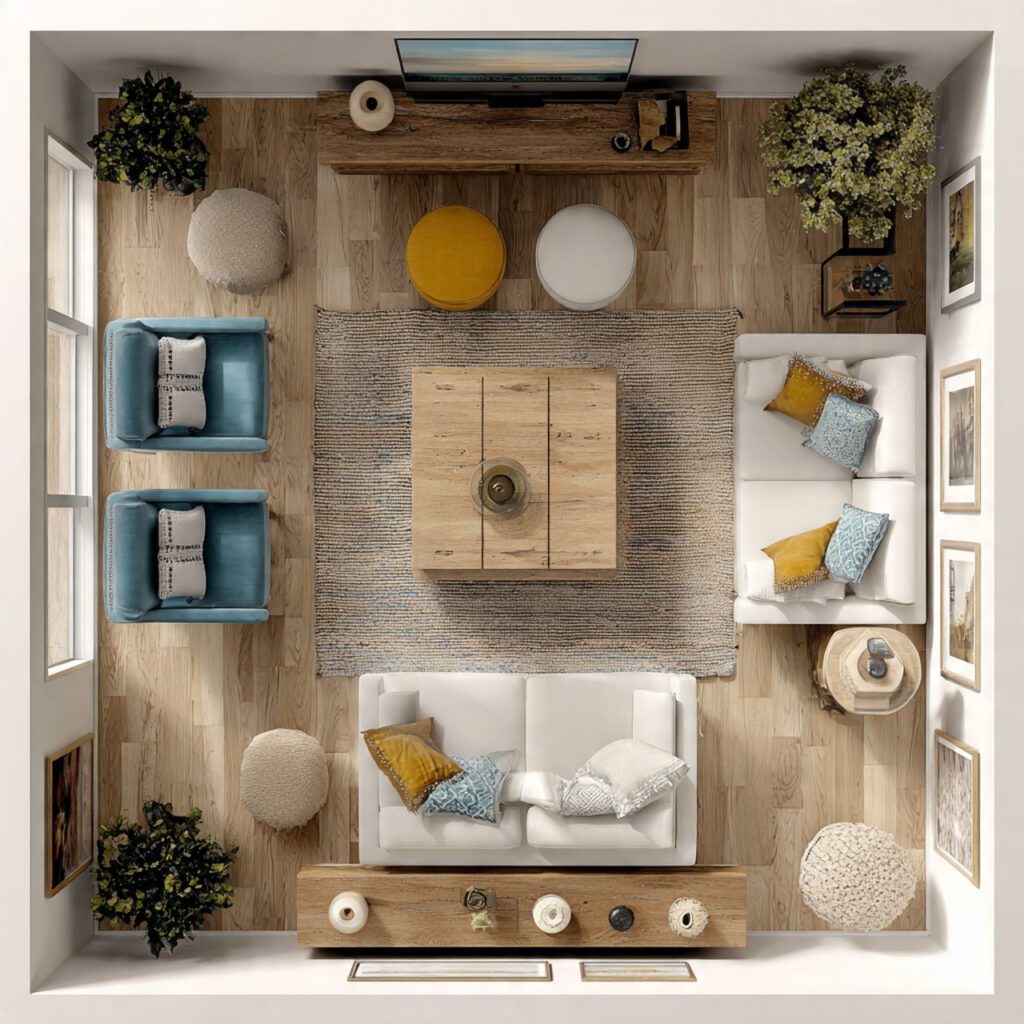
Designer spaces aren’t about perfection; they’re about balance. Visual weight should feel evenly distributed across the room.
If one side of a room has a large sofa, balance it with artwork, lighting, or décor on the opposite side. Mix tall and low elements to create natural rhythm.
Pinterest users are drawn to balanced rooms because they feel comfortable and visually pleasing without looking staged or forced.
3. Layer Textures for Depth
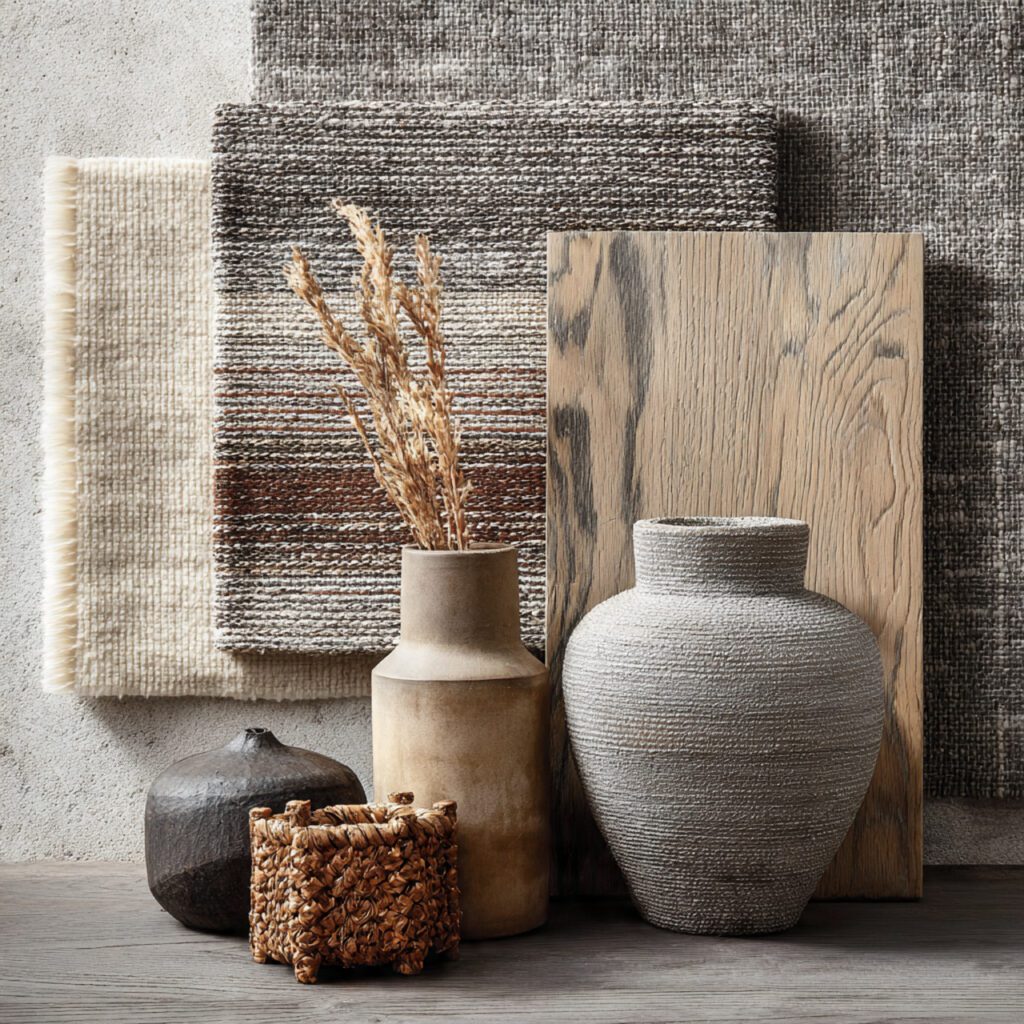
Texture is one of the most important tools designers use to create rich, inviting interiors. Without texture, a space can feel flat and unfinished.
Layer soft, rough, and smooth textures together. Combine linen curtains, plush pillows, woven baskets, wood furniture, and ceramic accents.
Pinterest-friendly spaces use texture to add interest while keeping colors neutral, which makes rooms feel cozy and elevated.
4. Use Fewer but Larger Decor Pieces
Designers avoid clutter by using fewer décor items that make a stronger impact. Many small objects can make a space feel busy and cheap.
Choose larger art, statement vases, or bold mirrors instead of filling shelves with tiny items. Give each piece space to stand out.
This technique is especially popular on Pinterest because large-scale décor creates clean, scroll-stopping visuals.
5. Pay Attention to Scale and Proportion
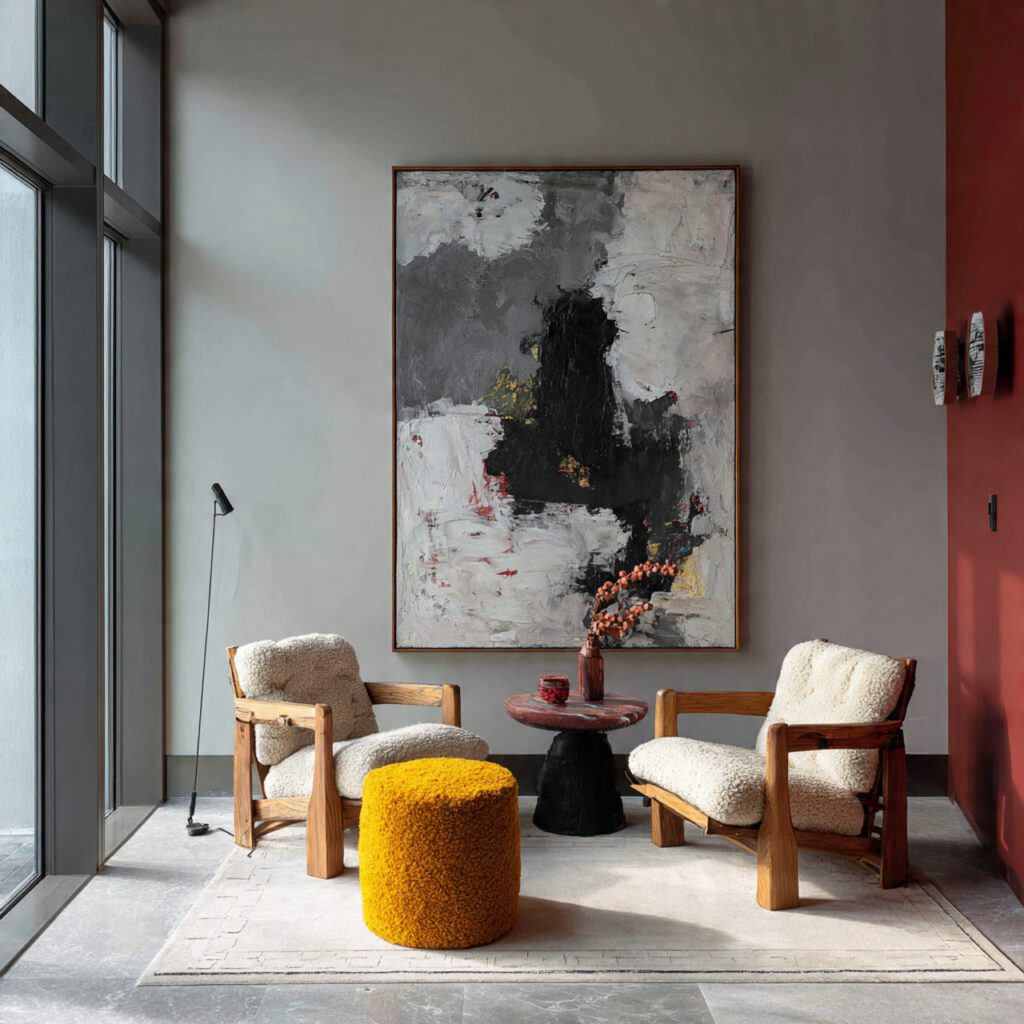
Scale is a major difference between amateur and designer styling. Furniture and décor should match the size of the room.
Oversized furniture can overwhelm a small space, while tiny pieces can look lost in a large room. Choose items that feel balanced within the space.
Pinterest interiors that perform well almost always have well-proportioned furniture and décor placement.
6. Style in Layers, Not All at Once
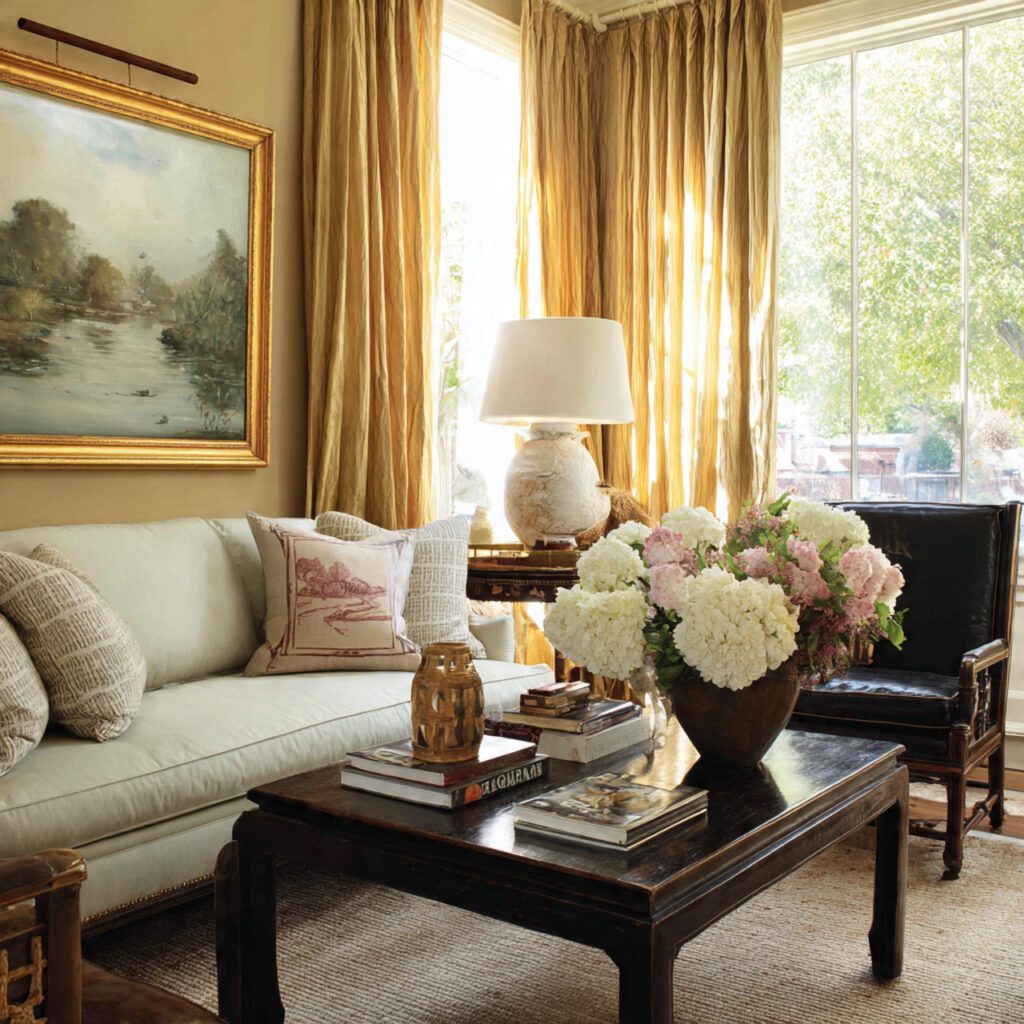
Designers style rooms in layers instead of decorating everything at once. This creates depth and a more lived-in look.
Start with large furniture, then add rugs, curtains, pillows, lighting, and finally accessories. This method helps you avoid overdecorating.
Pinterest users appreciate layered spaces because they feel thoughtful and realistic rather than rushed.
7. Use Lighting as a Design Element
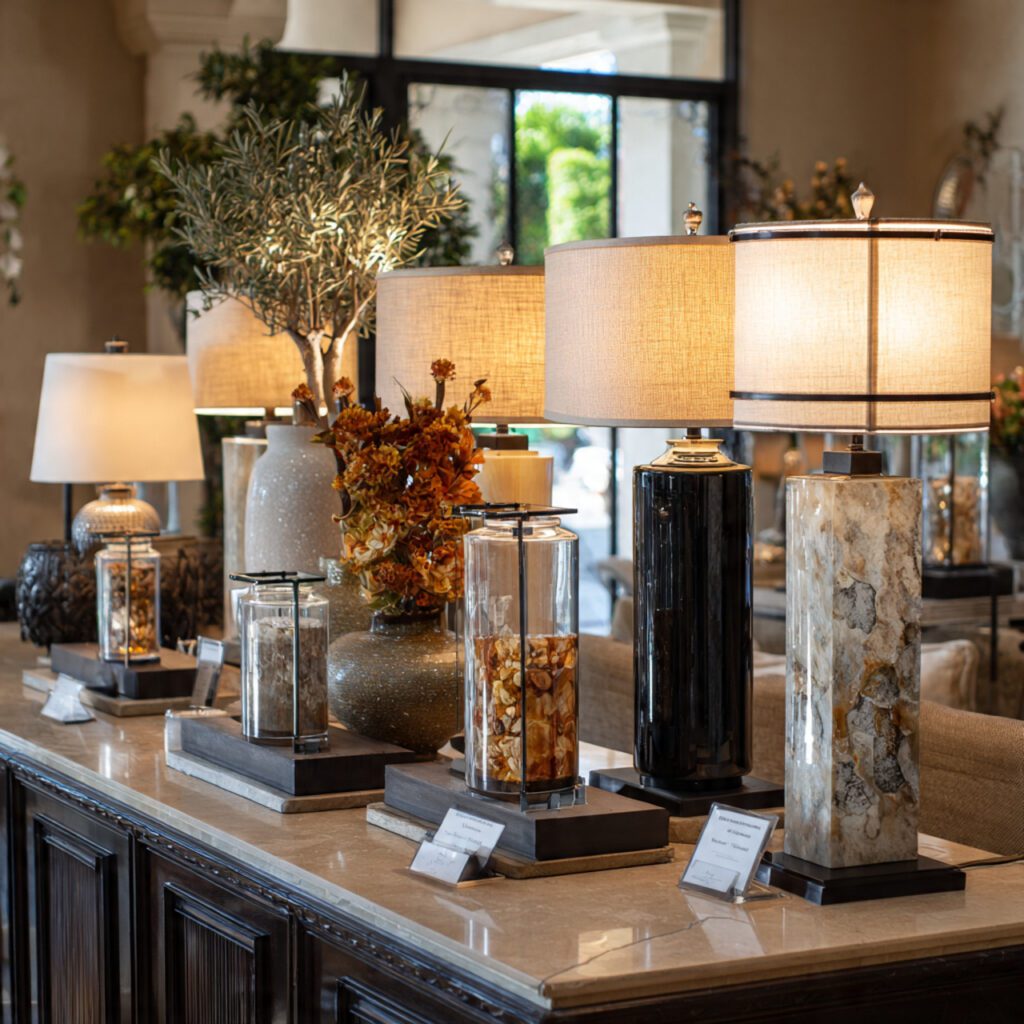
Lighting isn’t just functional—it’s decorative. Designer homes always use layered lighting instead of relying on one overhead light.
Combine table lamps, floor lamps, wall sconces, and ambient lighting. Warm bulbs instantly make a room feel cozy and inviting.
Pinterest-style homes often glow softly, which adds warmth and makes décor feel more intentional.
8. Keep Surfaces Styled but Not Crowded
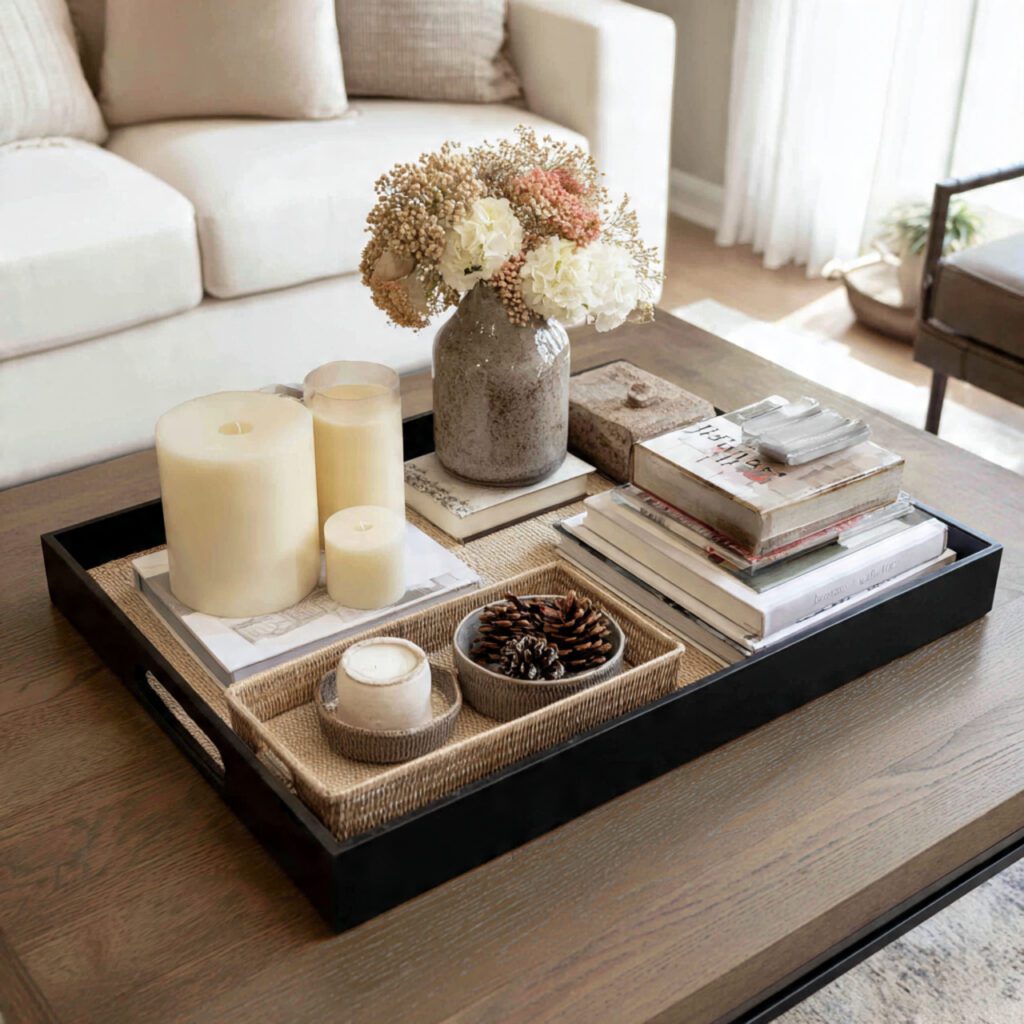
Flat surfaces should feel styled, not cluttered. Designers use grouping to keep things organized and visually appealing.
Use trays to group candles, books, or decorative objects. Leave empty space to let the surface breathe.
Pinterest audiences love surface styling ideas because they’re easy to recreate and instantly elevate a space.
9. Add Natural Elements
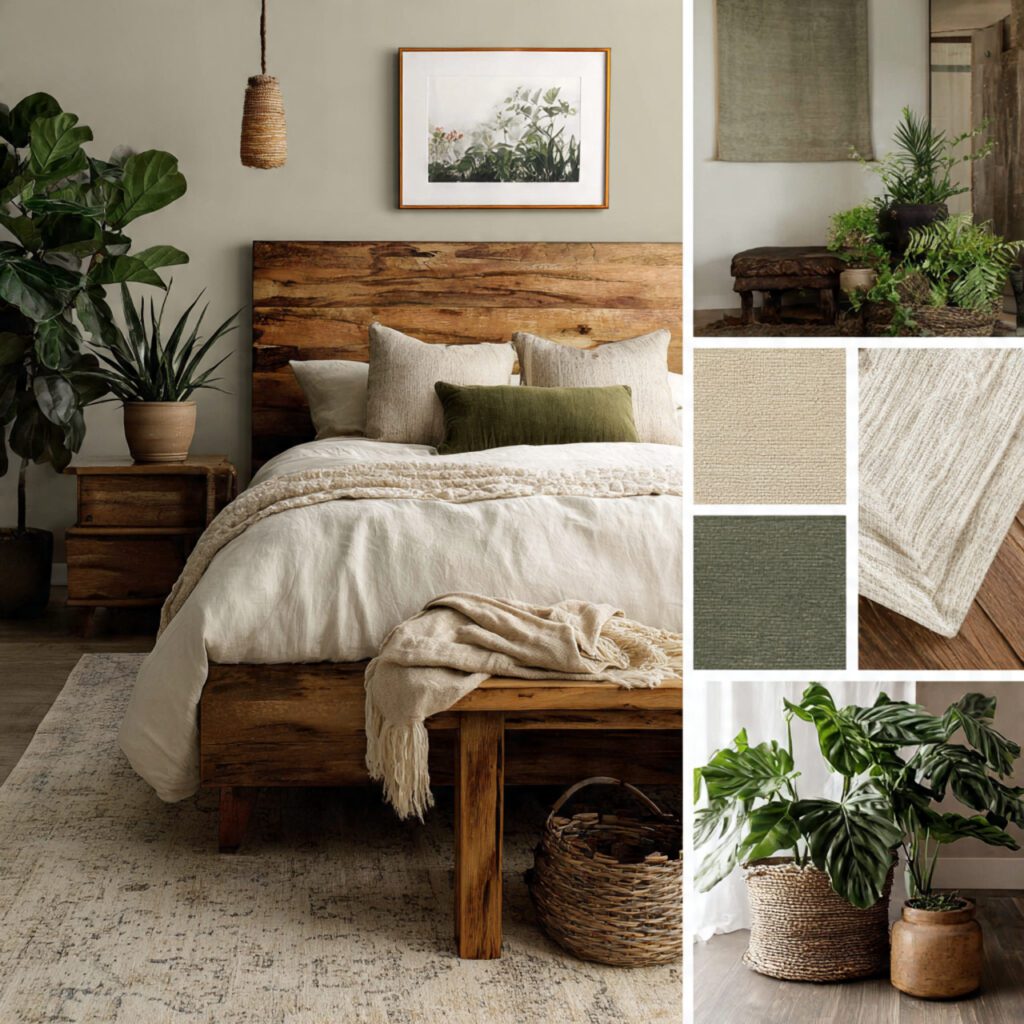
Natural materials are a staple in designer interiors. They add warmth, texture, and timeless appeal.
Incorporate wood, stone, linen, leather, or greenery. Even one or two natural elements can soften a room and make it feel more refined.
Pinterest décor trends consistently highlight natural elements because they feel calming and versatile.
10. Create a Strong Focal Point
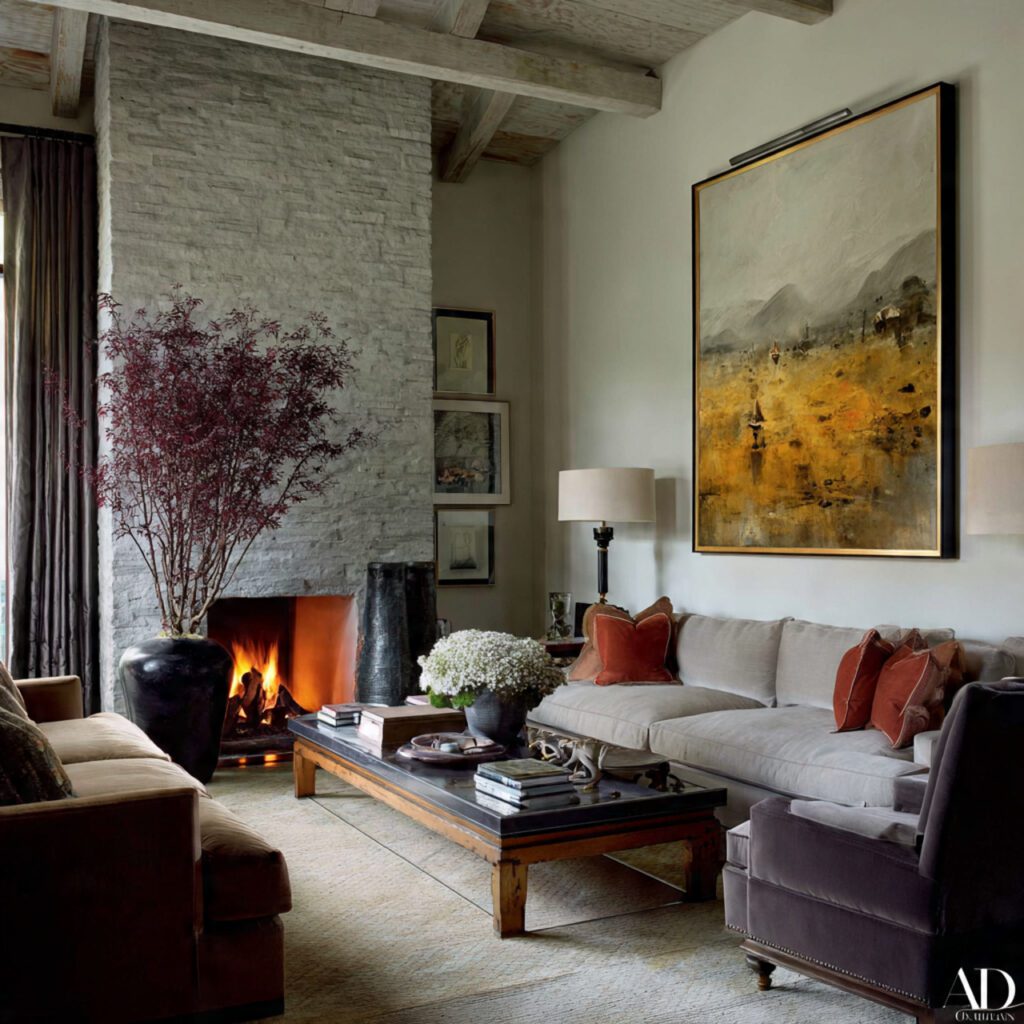
Every designer-styled room has a focal point. This could be artwork, a fireplace, a statement sofa, or a feature wall.
Arrange furniture and décor to highlight this focal point. Keep other elements simple so the focal area stands out.
Pinterest images with clear focal points perform better because they guide the viewer’s eye immediately.
11. Use Symmetry Where It Makes Sense
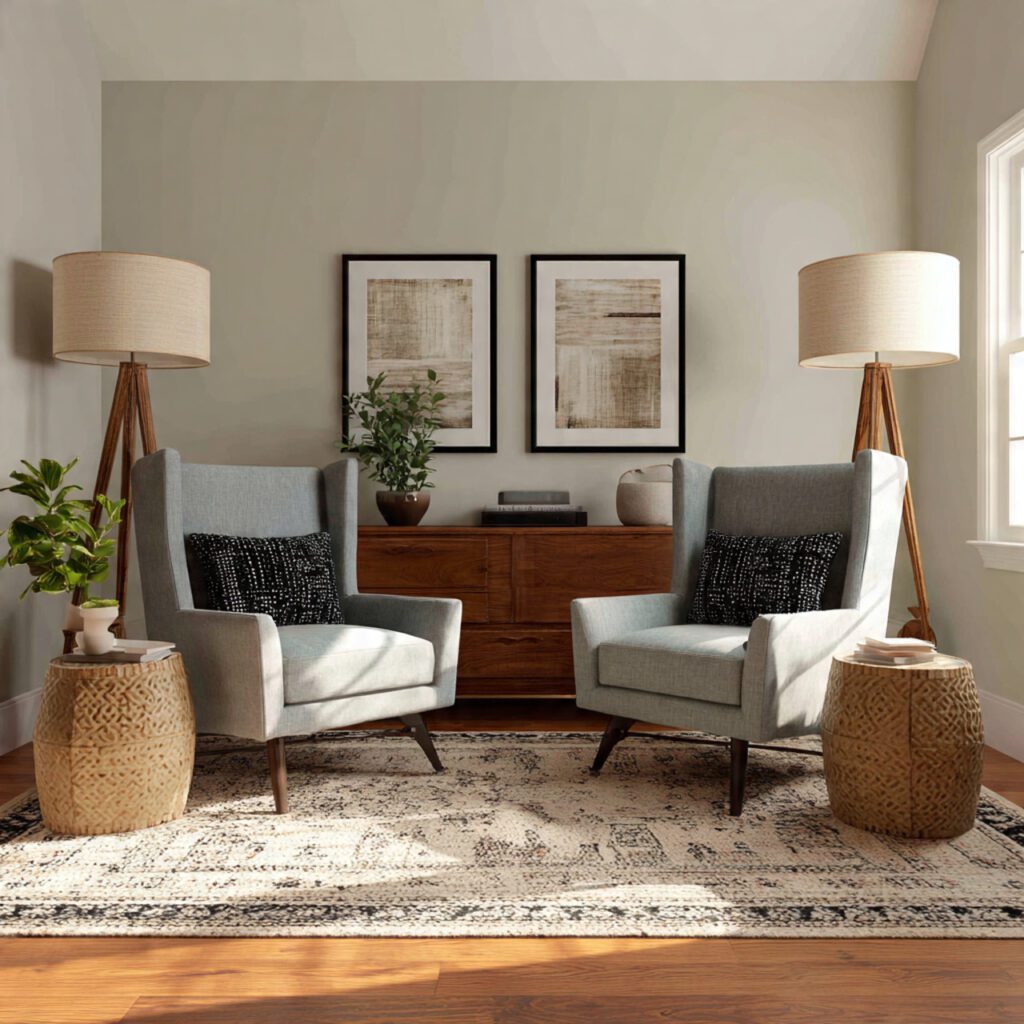
Symmetry creates a sense of order and calm, which feels luxurious and designer-like.
Matching lamps, balanced furniture placement, or evenly spaced décor can instantly elevate a room. Symmetry works especially well in bedrooms and living rooms.
Pinterest users love symmetrical setups because they feel clean, polished, and visually satisfying.
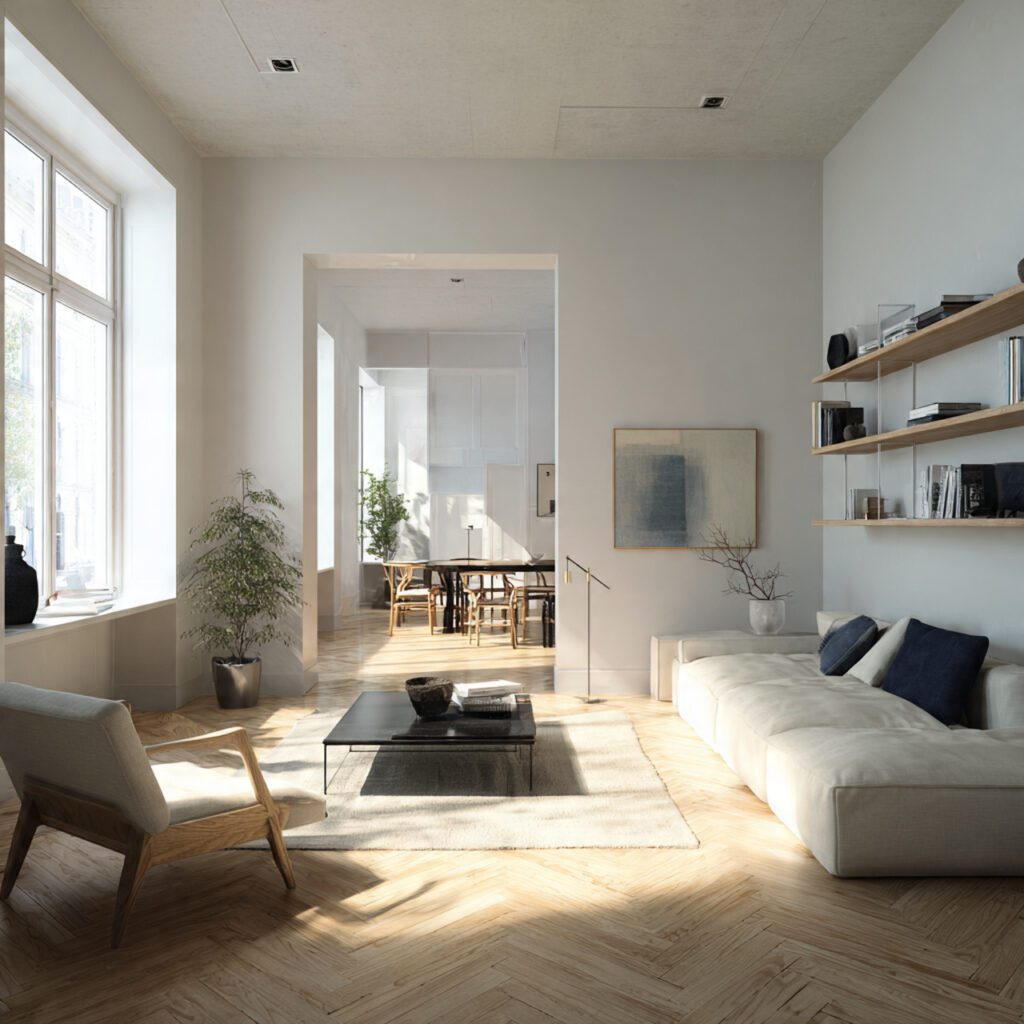
12. Choose Timeless Over Trendy
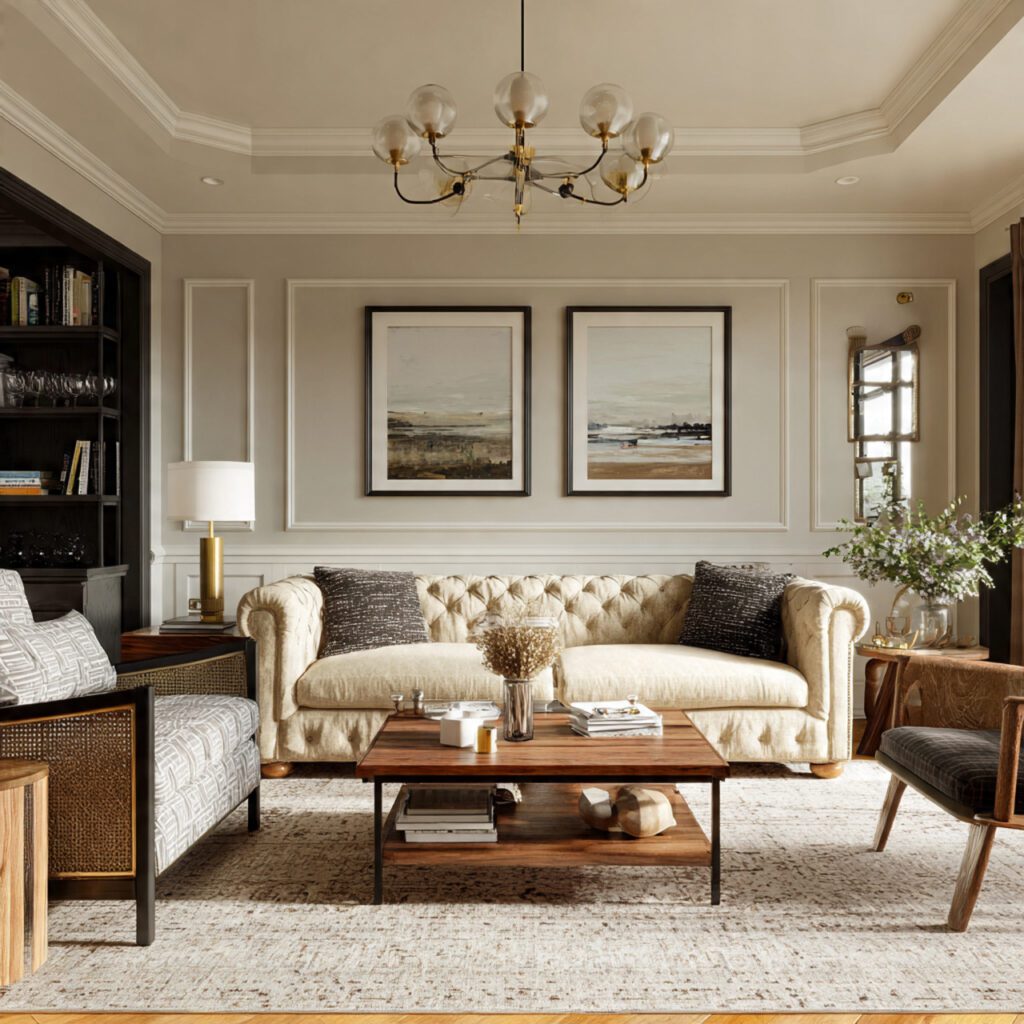
Designers invest in timeless pieces and use trends sparingly. This keeps spaces from feeling dated too quickly. Stick to classic furniture shapes and neutral colors. Add trends through accessories like pillows or art that can be swapped easily. Pinterest-friendly homes often blend timeless design with subtle trends for long-lasting appeal.
13. Edit Your Space Regularly
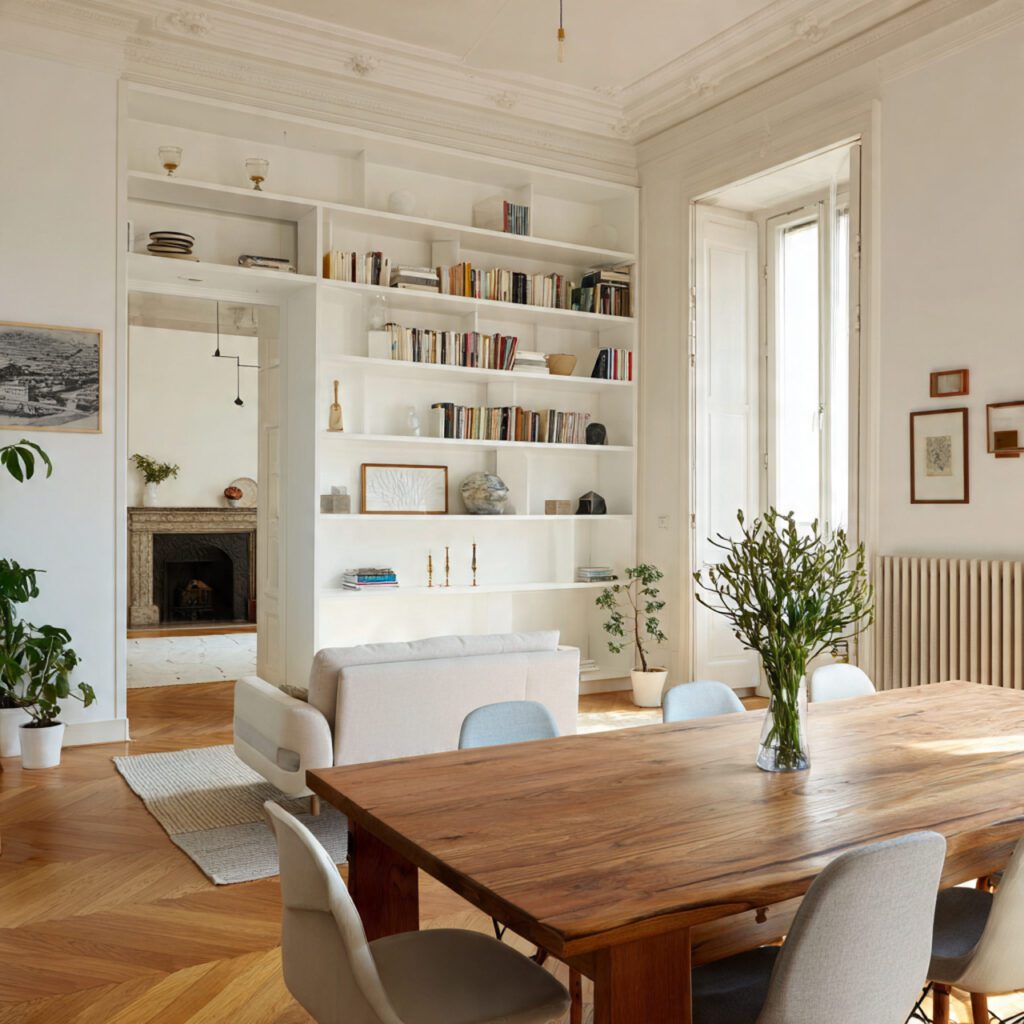
Designers constantly edit spaces by removing items that no longer serve a purpose or fit the style.
If a room feels crowded, take something away before adding more. Negative space is just as important as décor.
Pinterest audiences respond well to edited spaces because they feel calm, realistic, and achievable.
14. Finish with Thoughtful Styling Details
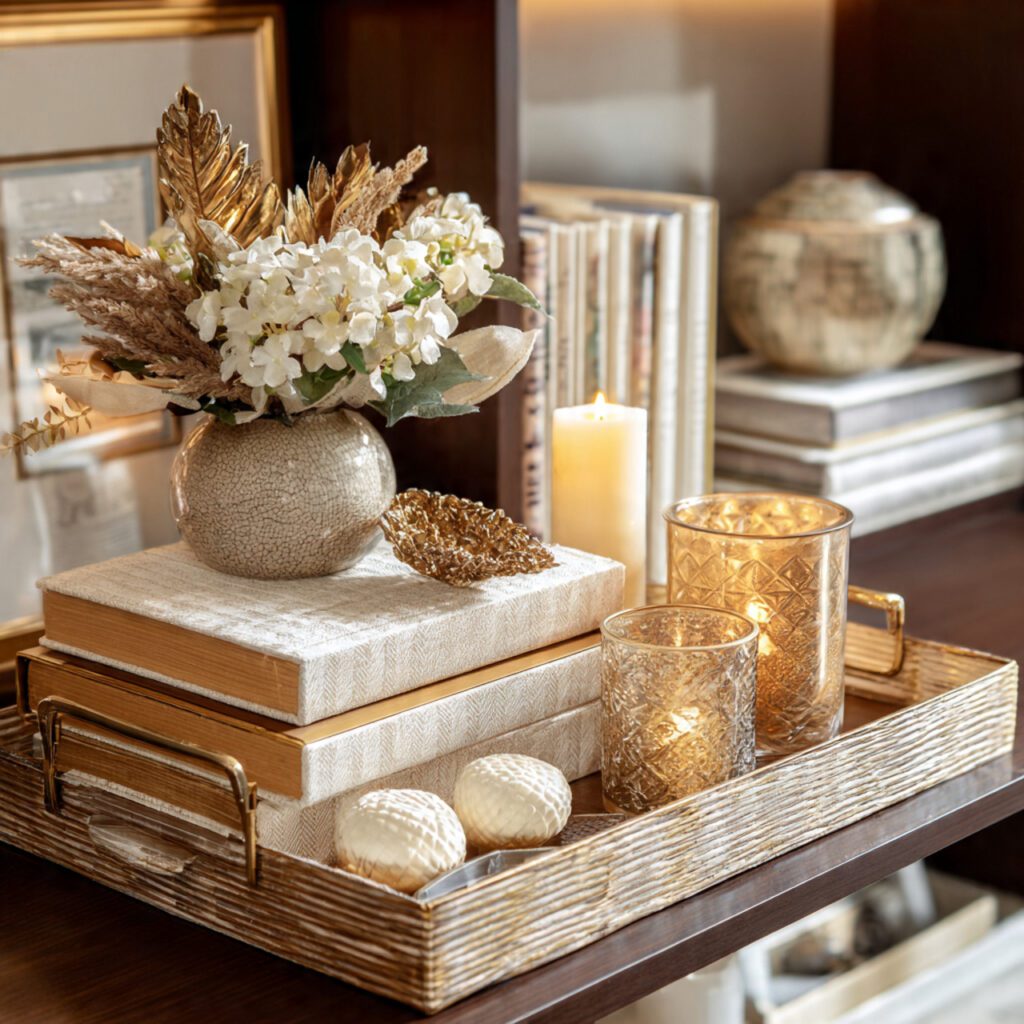
The final layer is what makes a home feel designer-styled. Small details tie everything together.
Use books, candles, trays, and soft textiles to complete the look. Keep colors and textures consistent.
These finishing touches add personality while maintaining a polished, high-end feel that Pinterest users love.
Final Thoughts
These 14 proven tips to style your home like a designer show that great design is about intention, balance, and thoughtful choices—not expensive furniture. By focusing on color, texture, proportion, and editing, you can create a home that feels polished, comfortable, and Pinterest-worthy. Designer style isn’t about copying trends; it’s about creating a space that feels cohesive, inviting, and truly your own.