What Oil is Good for Thinning Hair: 15 Proven Solutions
Discovering what oil is good for thinning hair saved my confidence and stopped the hair loss that terrified me every morning. I watched clumps of hair accumulate in my shower drain and noticed my scalp becoming increasingly visible through my thinning strands. The emotional toll of losing hair affected my self-esteem and made me avoid social situations where people might notice my balding spots. After researching hair science and testing numerous oils over two years, I found 15 proven options that genuinely stimulated growth and strengthened my remaining hair. These natural oils address various causes of thinning hair while nourishing your scalp and follicles without harsh chemicals.
Why Hair Thins and How Oils Help
Hair thinning occurs due to multiple factors including genetics, hormonal changes, nutritional deficiencies, stress, and scalp inflammation. Your hair follicles become miniaturized over time, producing thinner and shorter strands until they eventually stop growing. I learned that oils work by improving scalp circulation, reducing inflammation, blocking DHT hormone that causes follicle shrinkage, and providing essential nutrients directly to hair roots.
Natural oils penetrate your scalp to deliver vitamins, minerals, and fatty acids that support healthy follicle function. Unlike topical medications that may cause side effects, oils offer a gentler approach to addressing thinning hair. Understanding this mechanism helped me appreciate why consistent oil treatments produced gradual but lasting improvements in my hair density.
How to Use Oils Effectively for Maximum Results
Proper application technique determines whether oils actually help your thinning hair or just sit on the surface doing nothing. I massage oils directly into my scalp using circular motions for 5-10 minutes, which increases blood circulation and helps nutrients penetrate deeper. The massage itself stimulates follicles while the oil provides nourishment.
I apply oils to damp hair after showering because moisture helps oils absorb better into your scalp. Leaving the treatment on for at least 2 hours or overnight before washing allows maximum absorption. Consistency matters more than the specific oil you choose, so I commit to treating my scalp 2-3 times weekly without skipping sessions.
Oil 1: Rosemary Oil for Hair Growth Stimulation
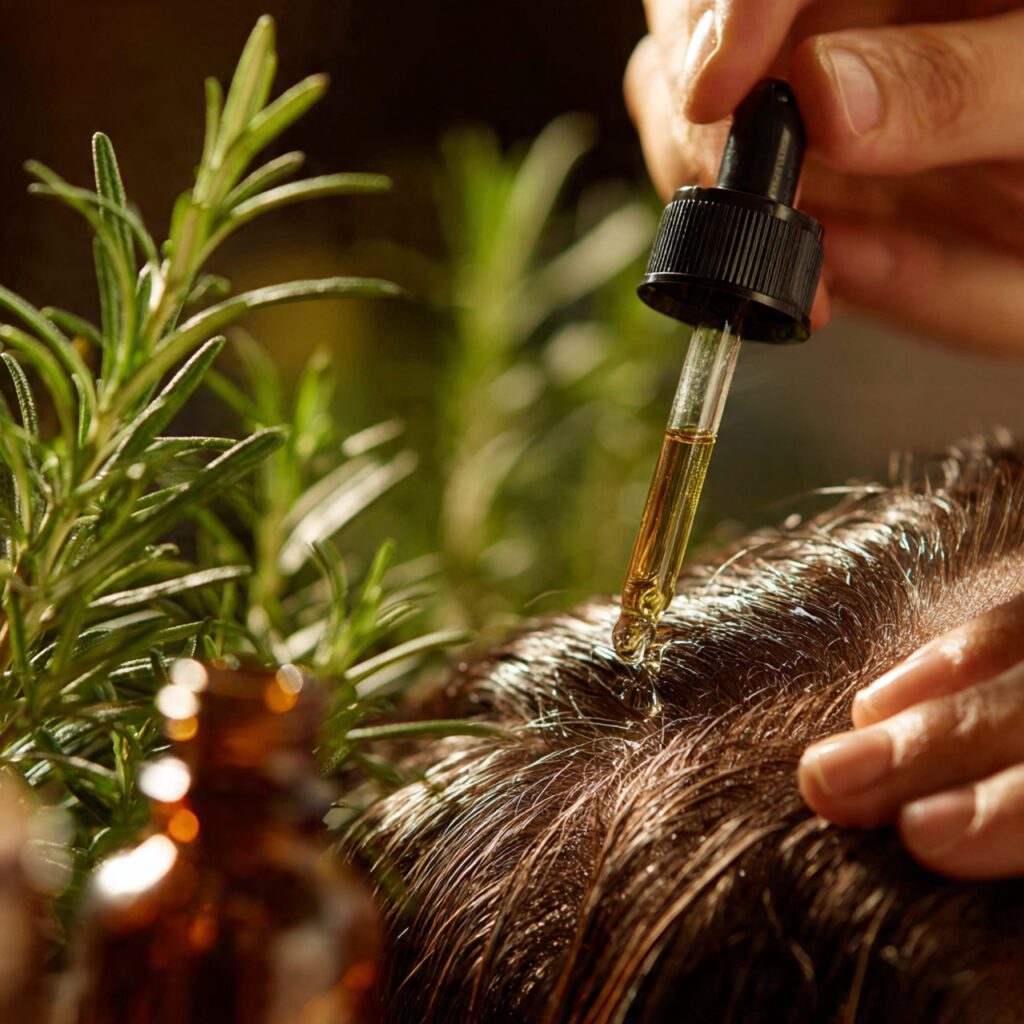
Rosemary oil became my most effective treatment for stimulating new hair growth. This powerful essential oil increases cellular metabolism in your scalp, encouraging dormant follicles to activate. Studies show rosemary oil performs comparably to minoxidil for hair regrowth without the side effects.
I mix 5-7 drops of rosemary essential oil with two tablespoons of carrier oil like jojoba or coconut oil. The tingling sensation during application indicates increased circulation to my scalp. After six months of consistent use, I noticed significant new hair growth along my hairline and increased density overall.
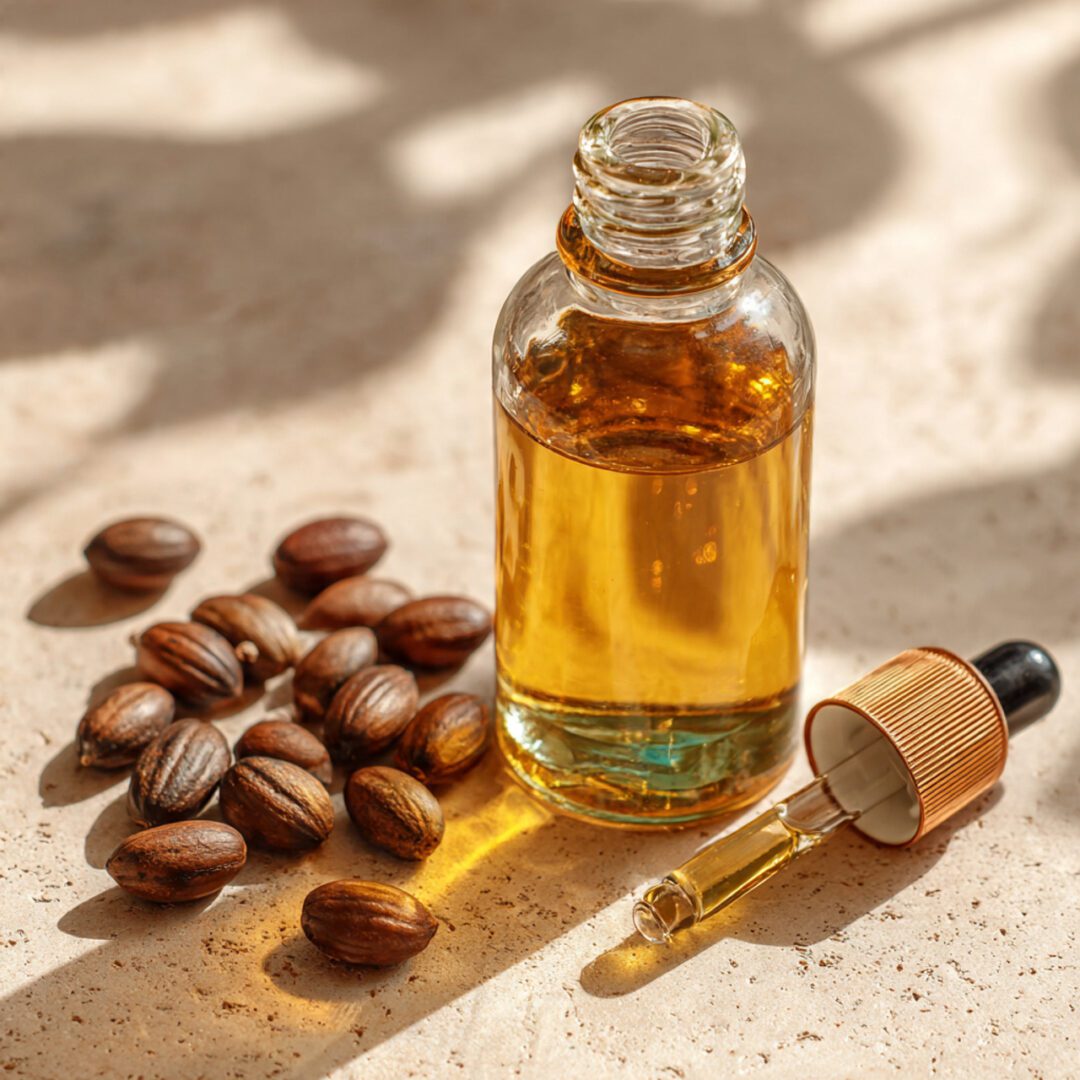
Oil 2: Castor Oil for Thickness and Strength
Castor oil’s thick consistency and high ricinoleic acid content make it excellent for strengthening thinning hair. This oil coats each strand while nourishing follicles, preventing breakage that makes thinning appear worse. I apply castor oil mixed with lighter oils because pure castor is quite thick and difficult to wash out.
The omega-9 fatty acids in castor oil penetrate deeply to repair damage and support healthy growth. My hair feels noticeably thicker and stronger after three months of weekly castor oil treatments. The increased strand diameter made my overall hair appear fuller even before new growth emerged.
Oil 3: Peppermint Oil for Circulation Boost
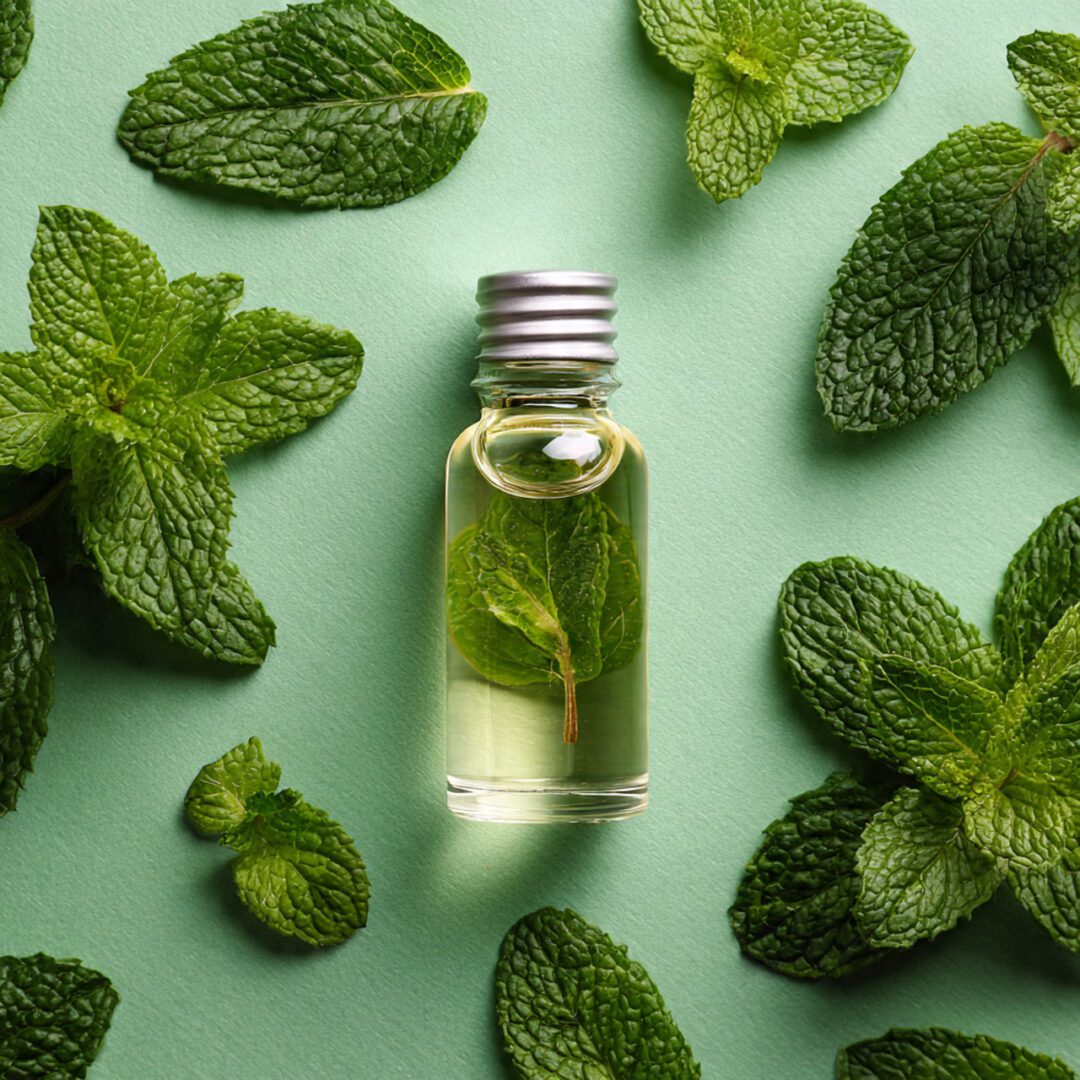
Peppermint oil creates a cooling sensation that indicates increased blood flow to your scalp. Enhanced circulation delivers more oxygen and nutrients to hair follicles, supporting their function and growth potential. I add 3-4 drops of peppermint oil to my carrier oil mixture for an invigorating scalp treatment.
The menthol in peppermint oil also has antimicrobial properties that keep your scalp healthy and free from inflammation that can worsen hair loss. I notice my scalp feels refreshed and energized after peppermint oil treatments. This oil works quickly, with improved hair growth visible within 8-12 weeks of regular use.
Oil 4: Coconut Oil for Deep Conditioning
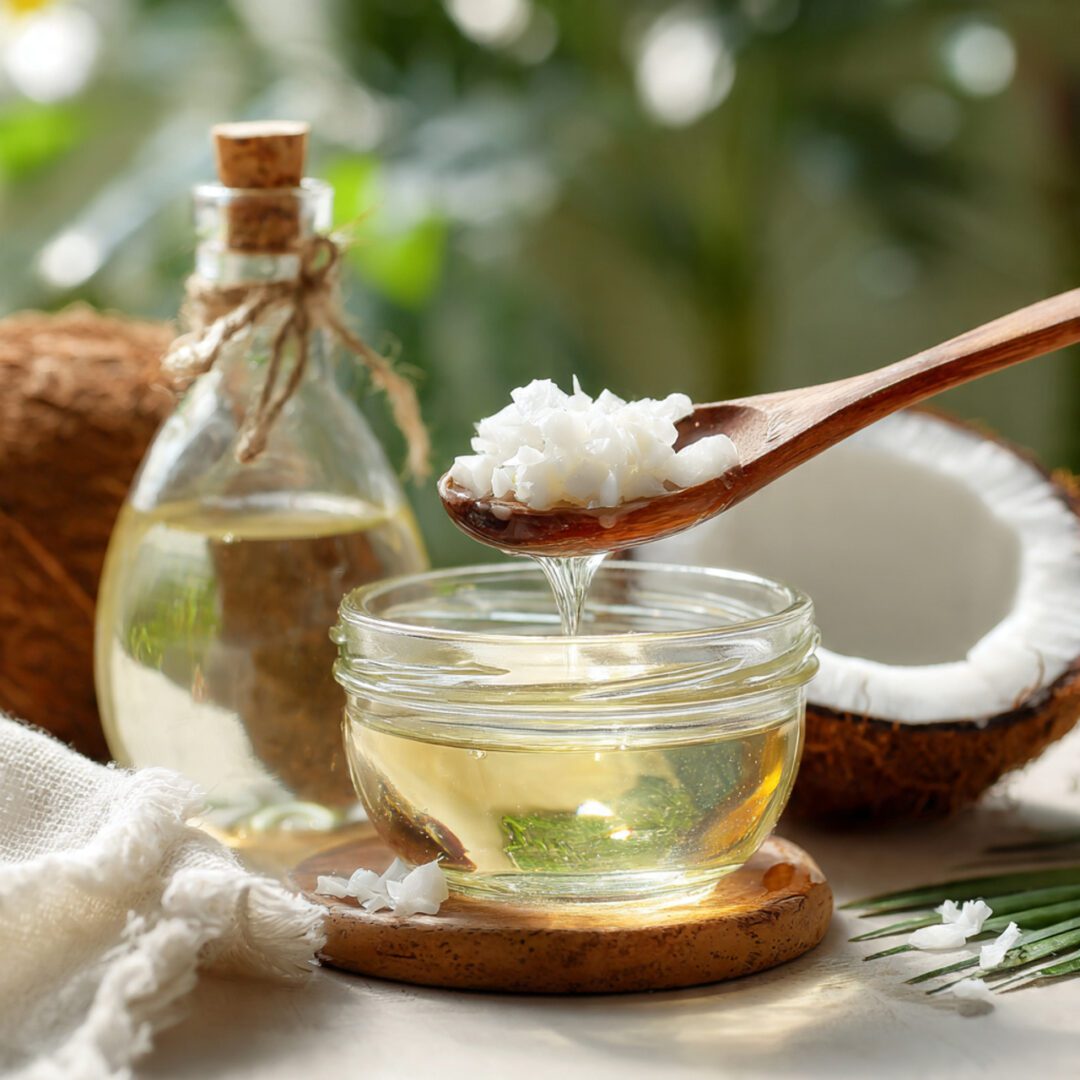
Coconut oil penetrates the hair shaft better than most oils due to its unique molecular structure. This deep conditioning prevents protein loss that weakens thinning hair and causes breakage. I use coconut oil as my base carrier oil for mixing with essential oils because it provides excellent moisturizing benefits.
The lauric acid in coconut oil has antimicrobial properties that maintain scalp health while the oil strengthens existing hair. My hair became significantly less brittle and prone to breakage after incorporating regular coconut oil treatments. Stronger hair that doesn’t break easily appears fuller and thicker overall.
Oil 5: Lavender Oil for Stress-Related Hair Loss
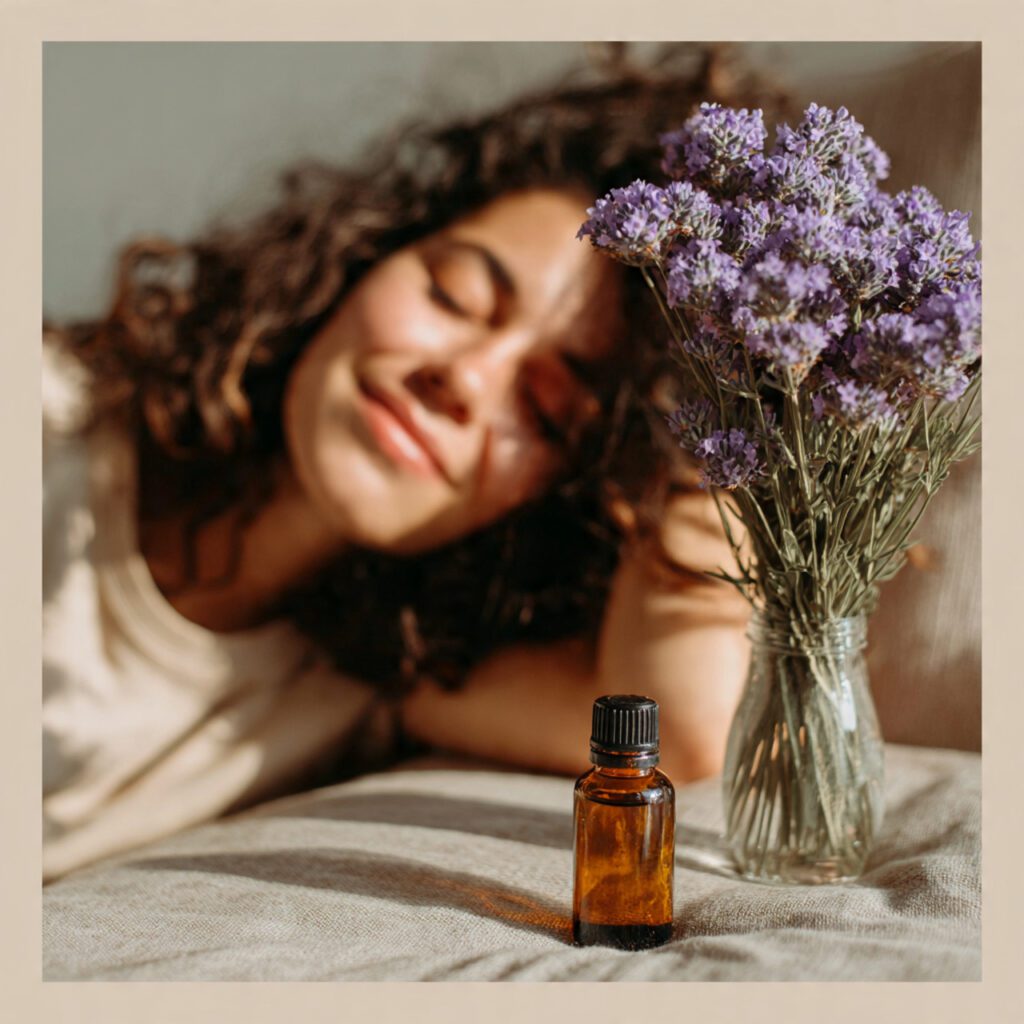
Lavender oil addresses stress-induced hair loss while promoting new growth. The calming properties reduce cortisol levels that contribute to hair thinning, while the oil itself stimulates follicle activity. I apply lavender oil treatments during my evening routine because the relaxing scent helps me unwind.
Research shows lavender oil increases the number of hair follicles and deepens follicle depth for stronger growth. After four months of use, my hair loss related to stress decreased noticeably. The dual benefits of stress reduction and direct follicle stimulation make lavender oil particularly effective.
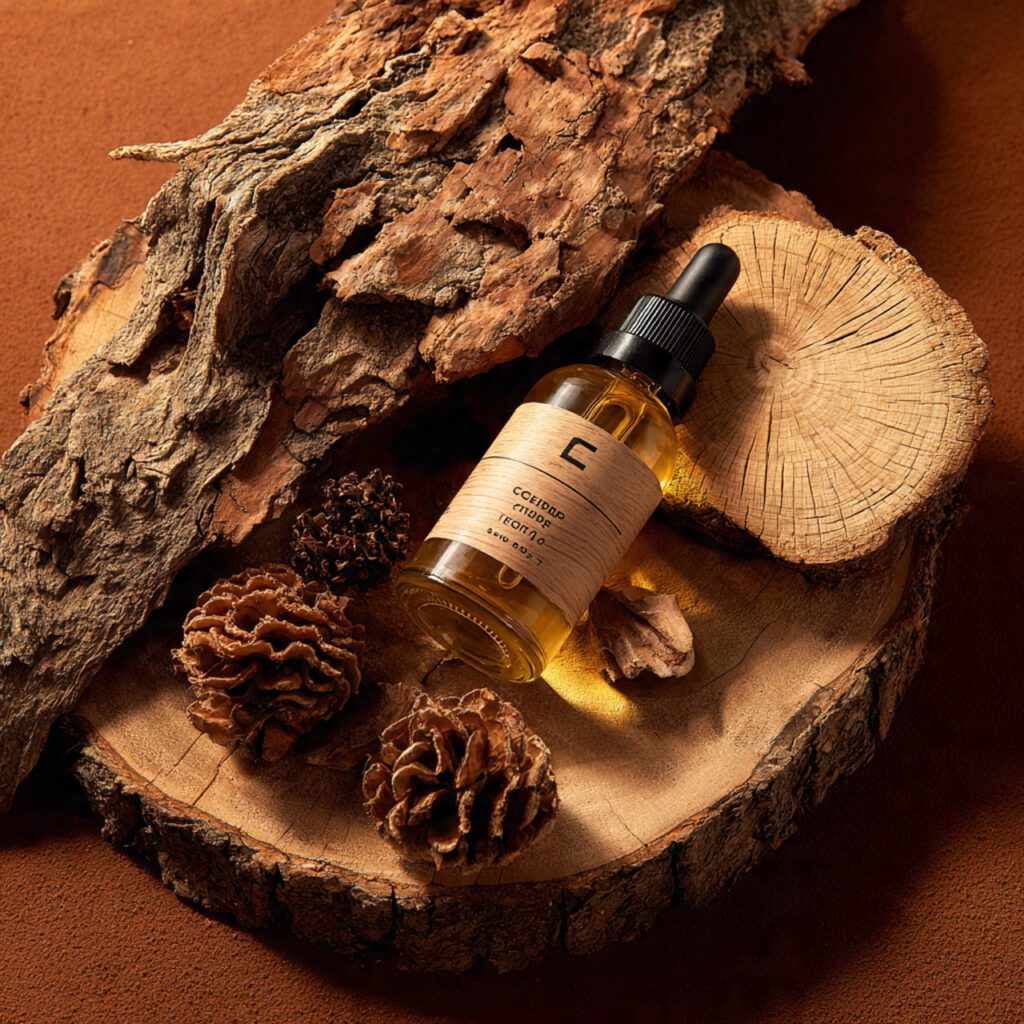
Oil 6: Cedarwood Oil for Balanced Oil Production
Cedarwood oil regulates sebum production on your scalp, creating optimal conditions for hair growth. Excess oil or dryness both contribute to hair loss, and cedarwood helps balance these extremes. I include cedarwood in my oil blend to maintain healthy scalp conditions that support growth.
This oil also has antifungal properties that prevent dandruff and scalp conditions that interfere with hair growth. My scalp feels perfectly balanced after cedarwood treatments, neither too oily nor too dry. Creating ideal scalp conditions allows your follicles to function optimally for better hair retention and growth.
Oil 7: Jojoba Oil for Scalp Health
Jojoba oil closely mimics your scalp’s natural sebum, making it an excellent carrier oil for essential oils. This similarity allows jojoba to balance oil production while moisturizing your scalp without clogging follicles. I use jojoba as my primary carrier oil because it absorbs easily and never feels greasy.
The vitamins and minerals in jojoba oil nourish hair follicles while the oil’s lightweight nature makes it suitable for all hair types. My scalp health improved dramatically after switching to jojoba-based treatments. Healthy scalp conditions are fundamental to addressing thinning hair effectively.
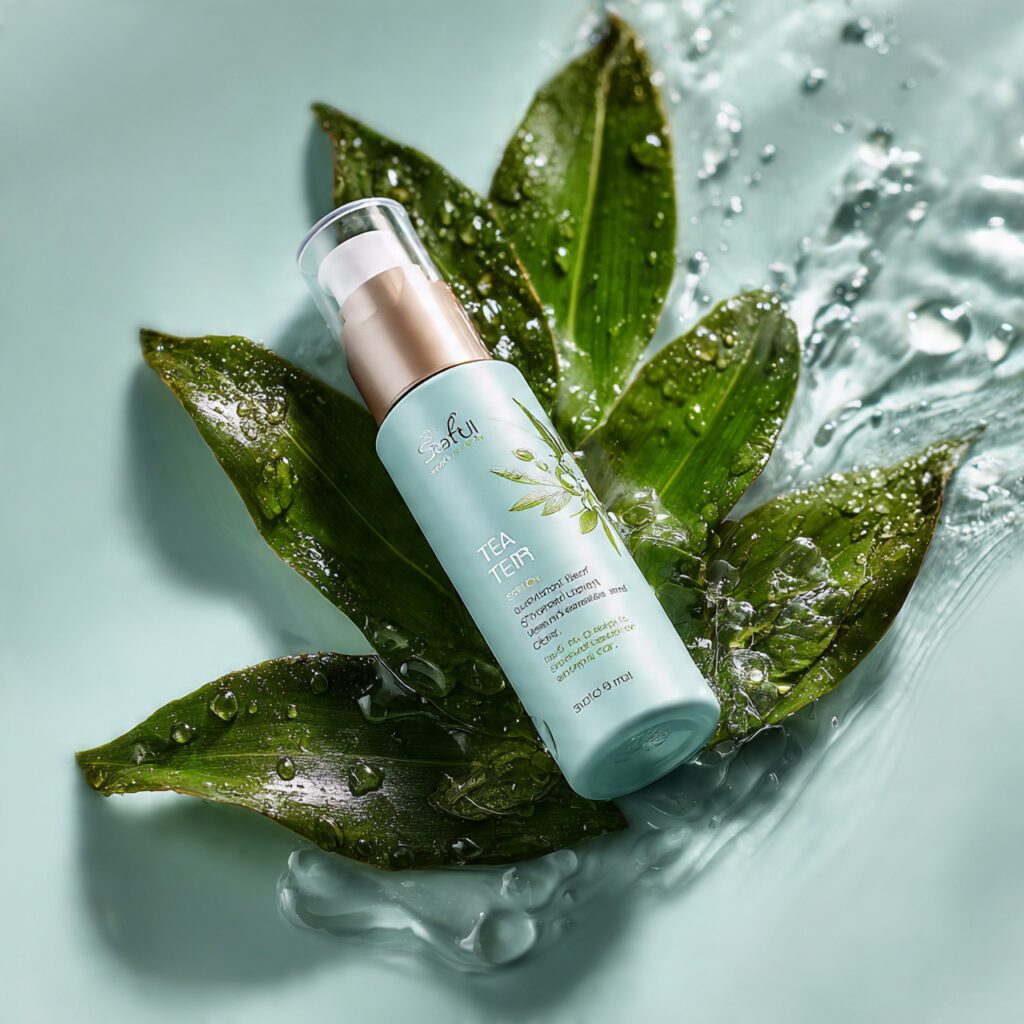
Oil 8: Tea Tree Oil for Scalp Cleansing
Tea tree oil’s powerful antimicrobial properties keep your scalp clean and free from buildup that clogs follicles. Clean, healthy follicles function better and produce stronger hair. I add 3-4 drops of tea tree oil to my regular treatments once weekly for deep scalp cleansing.
This oil also reduces inflammation and irritation that can contribute to hair loss. My scalp feels refreshed and thoroughly cleaned after tea tree oil treatments. Removing buildup and maintaining scalp hygiene supports your hair follicles’ ability to produce healthy strands.
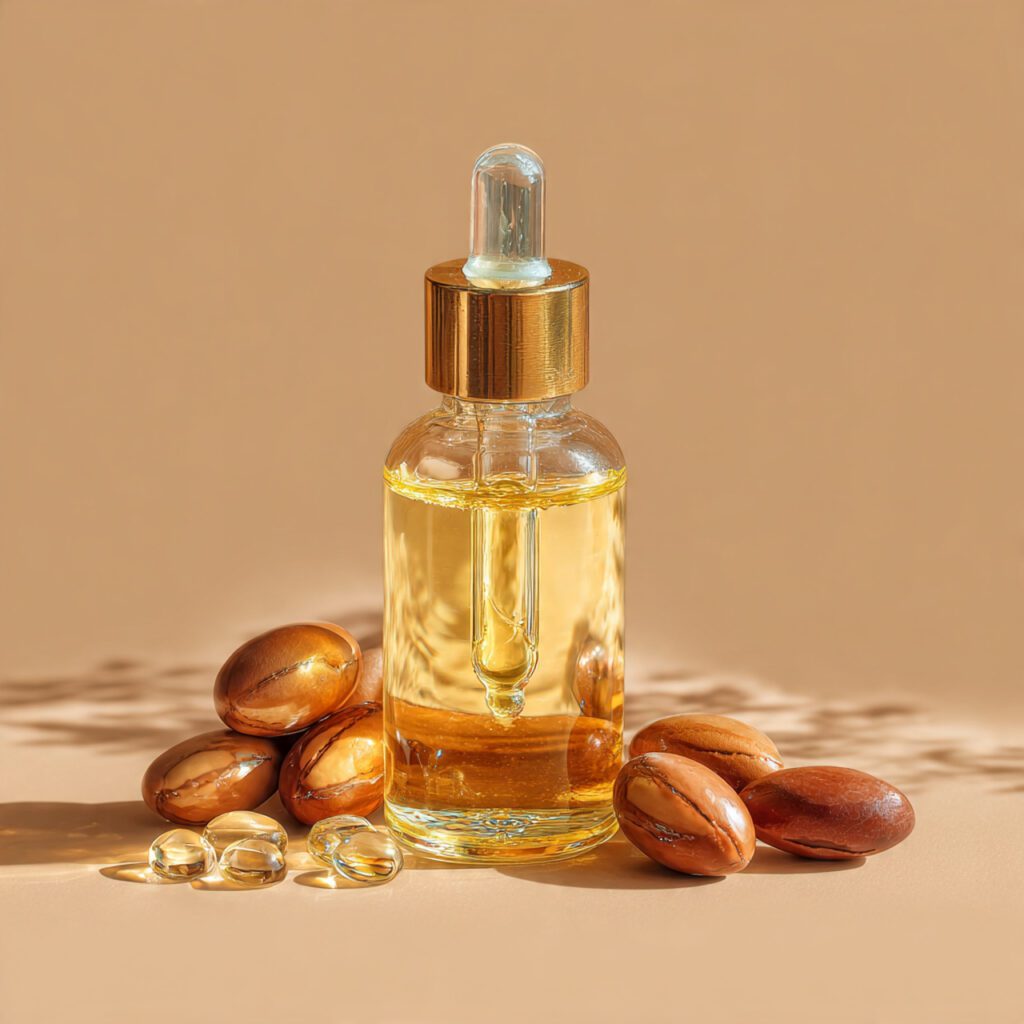
Oil 9: Argan Oil for Moisture and Repair
Argan oil contains high levels of vitamin E and fatty acids that repair damage and prevent future breakage. This luxurious oil moisturizes without weighing down thinning hair. I apply argan oil to my hair lengths after scalp treatments to protect and strengthen existing strands.
The antioxidants in argan oil protect hair from environmental damage that accelerates thinning. My hair feels silkier and looks shinier after incorporating argan oil into my routine. Protecting your existing hair from damage is just as important as stimulating new growth when dealing with thinning.
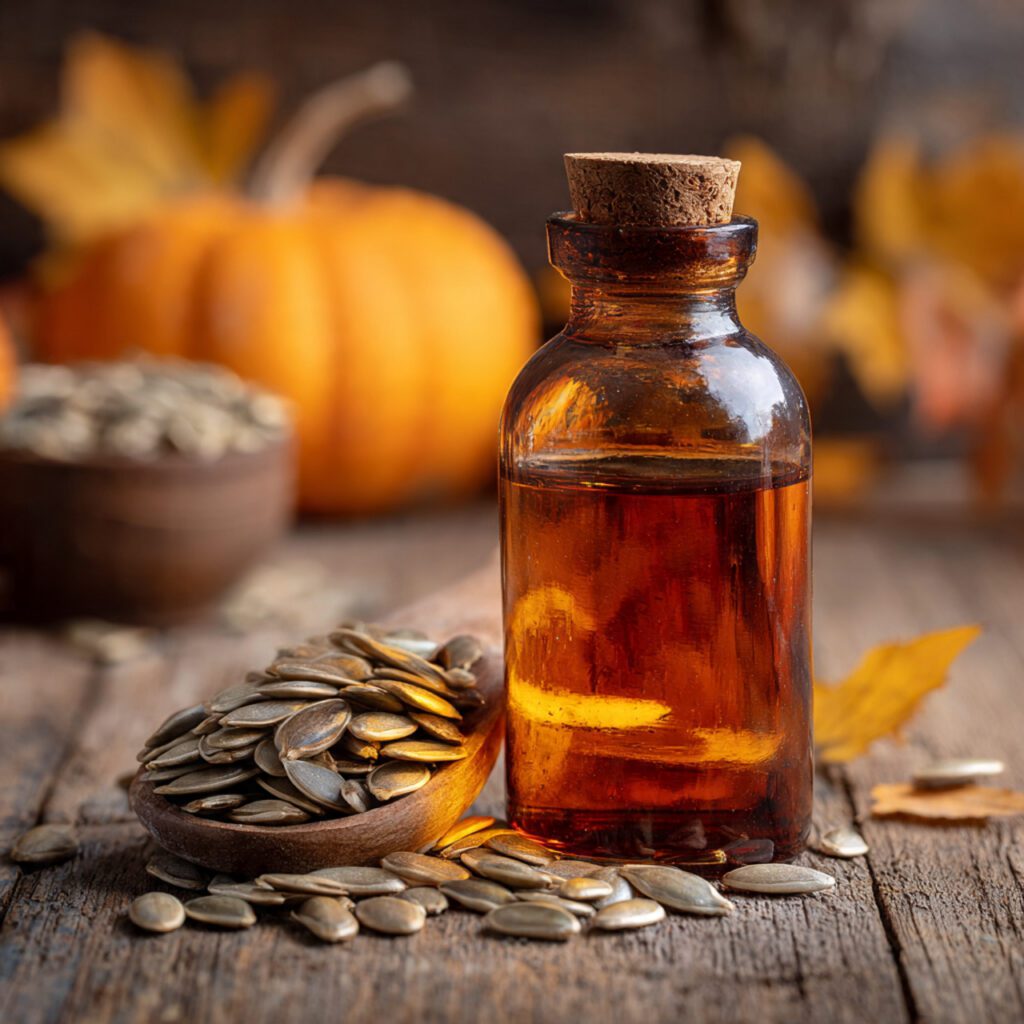
Oil 10: Pumpkin Seed Oil for DHT Blocking
Pumpkin seed oil blocks DHT, the hormone responsible for male and female pattern baldness. This oil interferes with the enzyme that converts testosterone to DHT, preventing follicle miniaturization. I take pumpkin seed oil both orally and apply it topically for maximum DHT-blocking benefits.
Studies show pumpkin seed oil increases hair count by up to 40% over 24 weeks. After six months of consistent use, my hair loss slowed significantly and new growth became visible. Addressing the hormonal cause of thinning hair produces lasting results rather than temporary improvements.
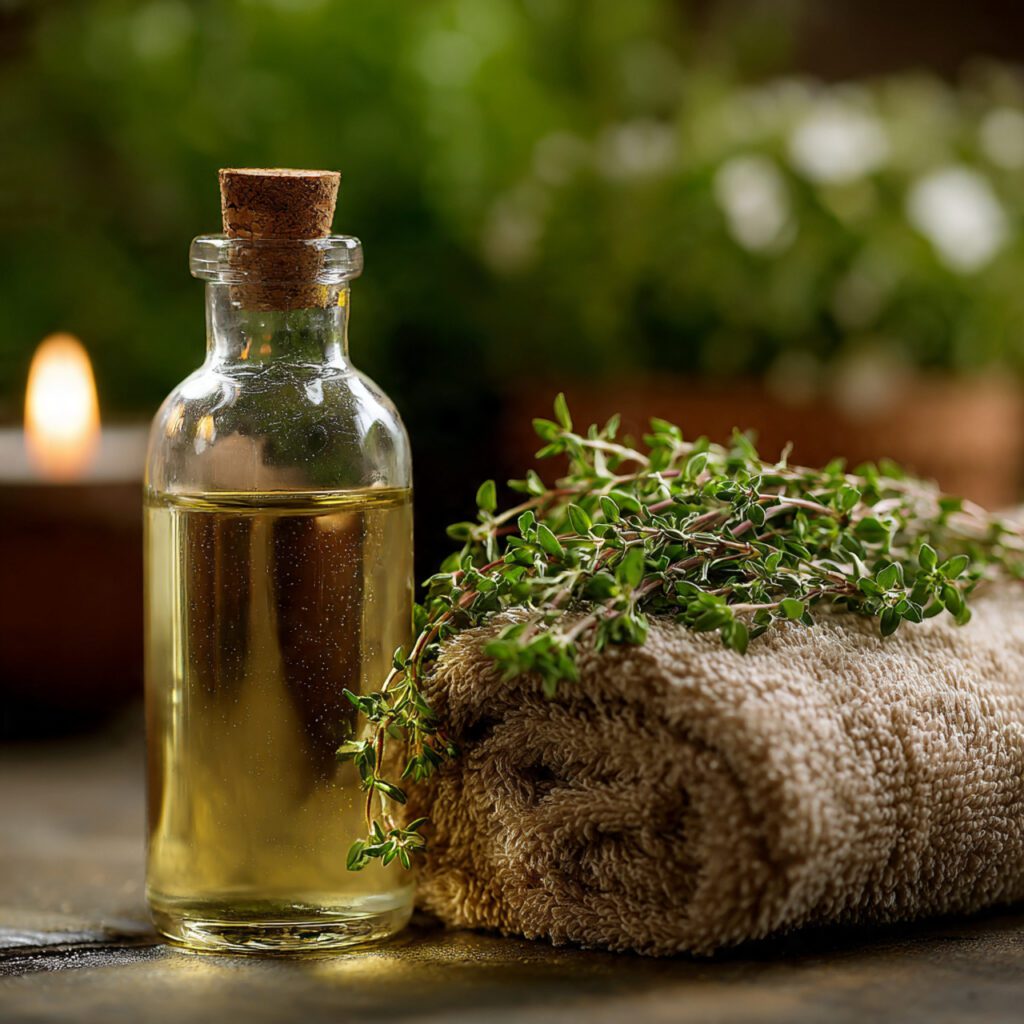
Oil 11: Thyme Oil for Growth Promotion
Thyme oil stimulates hair growth by improving circulation and encouraging cellular activity in follicles. This potent essential oil works well when combined with other growth-promoting oils. I use 2-3 drops of thyme oil in my treatment blend because higher concentrations can irritate sensitive scalps.
The antimicrobial properties also maintain scalp health while promoting growth. My hair growth accelerated noticeably after adding thyme oil to my regular treatments. The combination of improved circulation and follicle stimulation creates optimal conditions for reversing thinning.
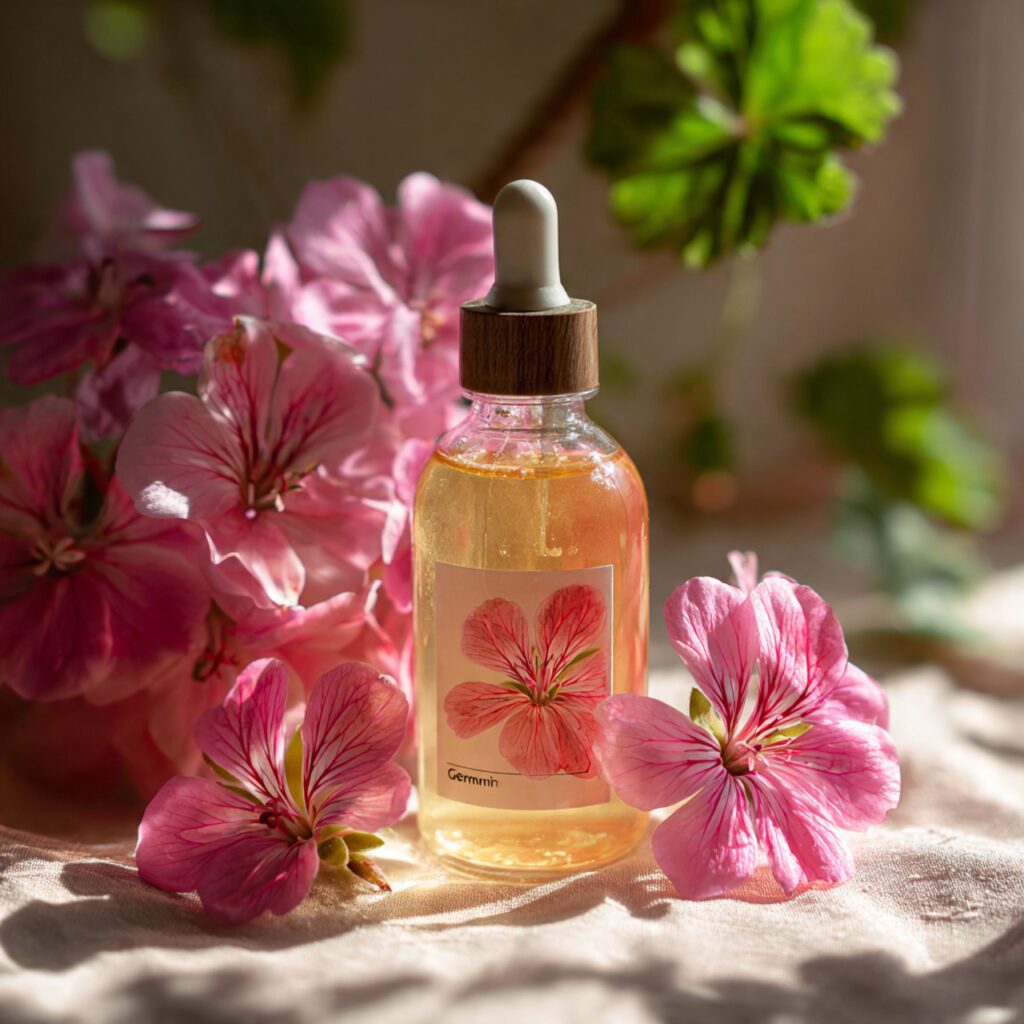
Oil 12: Geranium Oil for Hormone Balance
Geranium oil helps balance hormones that affect hair growth, making it particularly effective for hormonal hair loss. This oil regulates sebum production while strengthening hair roots. I include geranium oil in my blend specifically to address my hormonal imbalances.
The regenerative properties of geranium oil also promote new cell growth in your scalp. After three months of use, my hormone-related shedding decreased significantly. Addressing hormonal factors internally and externally provides comprehensive treatment for thinning hair.
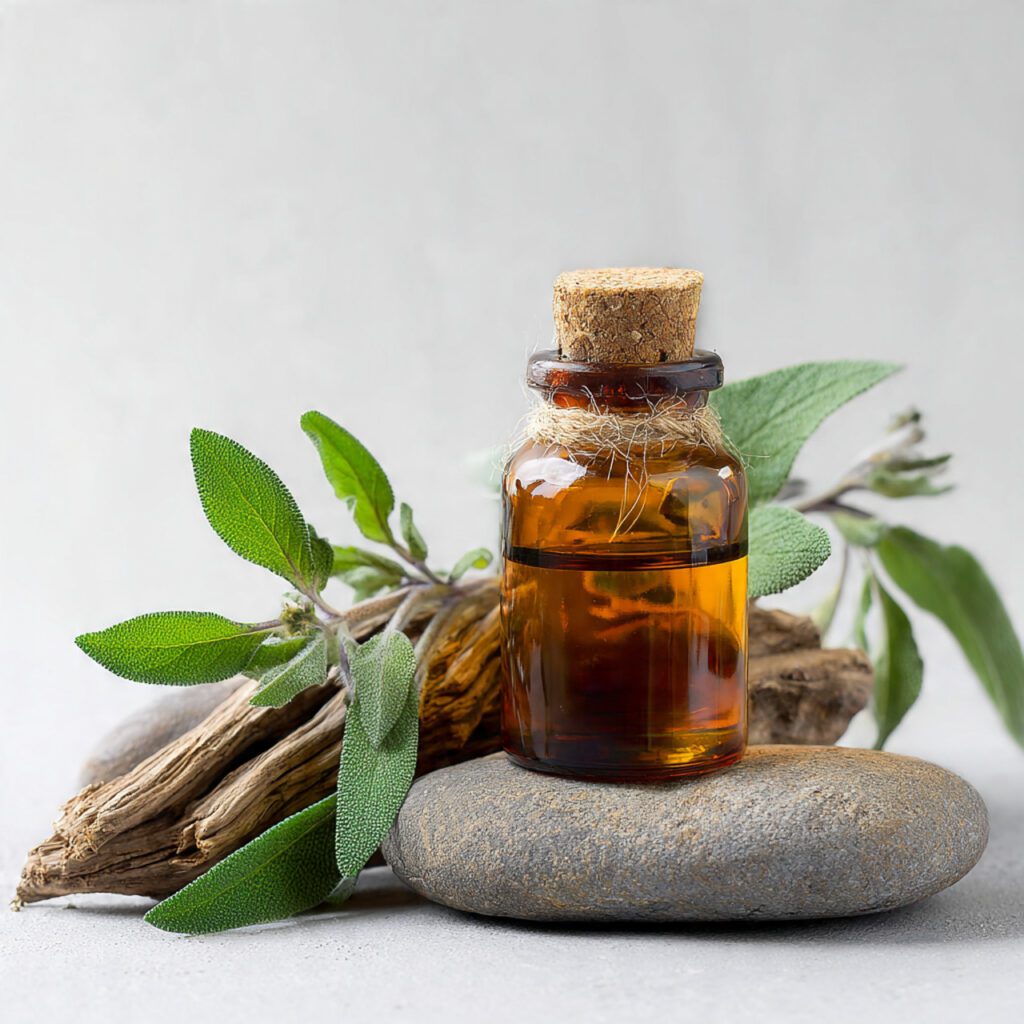
Oil 13: Clary Sage Oil for Strength Enhancement
Clary sage oil contains the same linalyl acetate found in lavender but in higher concentrations, making it extremely effective for hair growth. This oil strengthens hair while promoting faster growth rates. I use clary sage in my nighttime treatments because its calming properties support better sleep.
The oil increases hair follicle life cycle, allowing strands to grow longer before shedding naturally. My hair feels thicker and more resilient after incorporating clary sage oil. Extending the growth phase means more hair remains on your head at any given time.
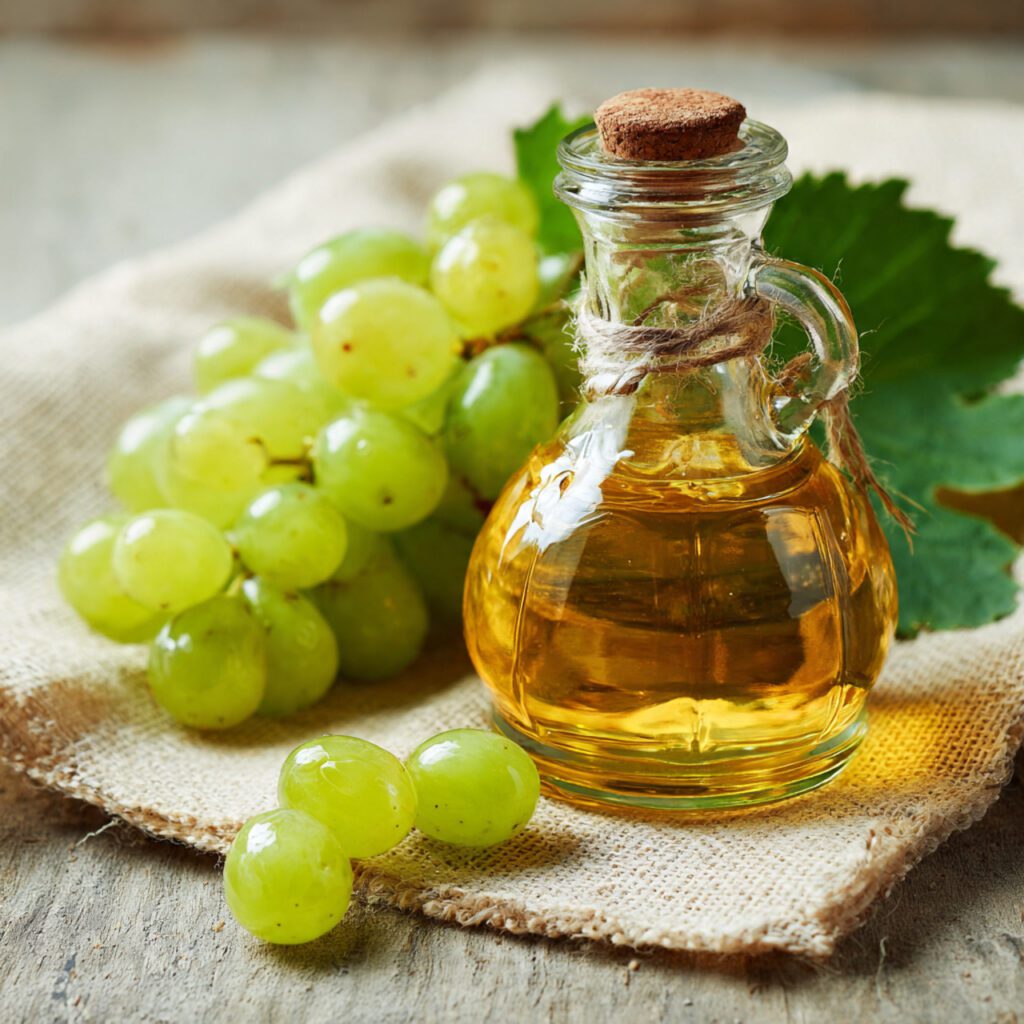
Oil 14: Grapeseed Oil for Lightweight Nourishment
Grapeseed oil provides nutrients without the heavy feeling that some oils create on fine, thinning hair. This light carrier oil contains linoleic acid that moisturizes and strengthens hair. I use grapeseed oil when I want the benefits of oil treatment without any weight.
The high vitamin E content protects hair from oxidative stress that contributes to premature aging and loss. My fine, thinning hair responds beautifully to grapeseed oil without looking greasy. Finding oils that suit your specific hair texture ensures you’ll maintain consistent treatments.
Oil 15: Black Seed Oil for Overall Hair Health
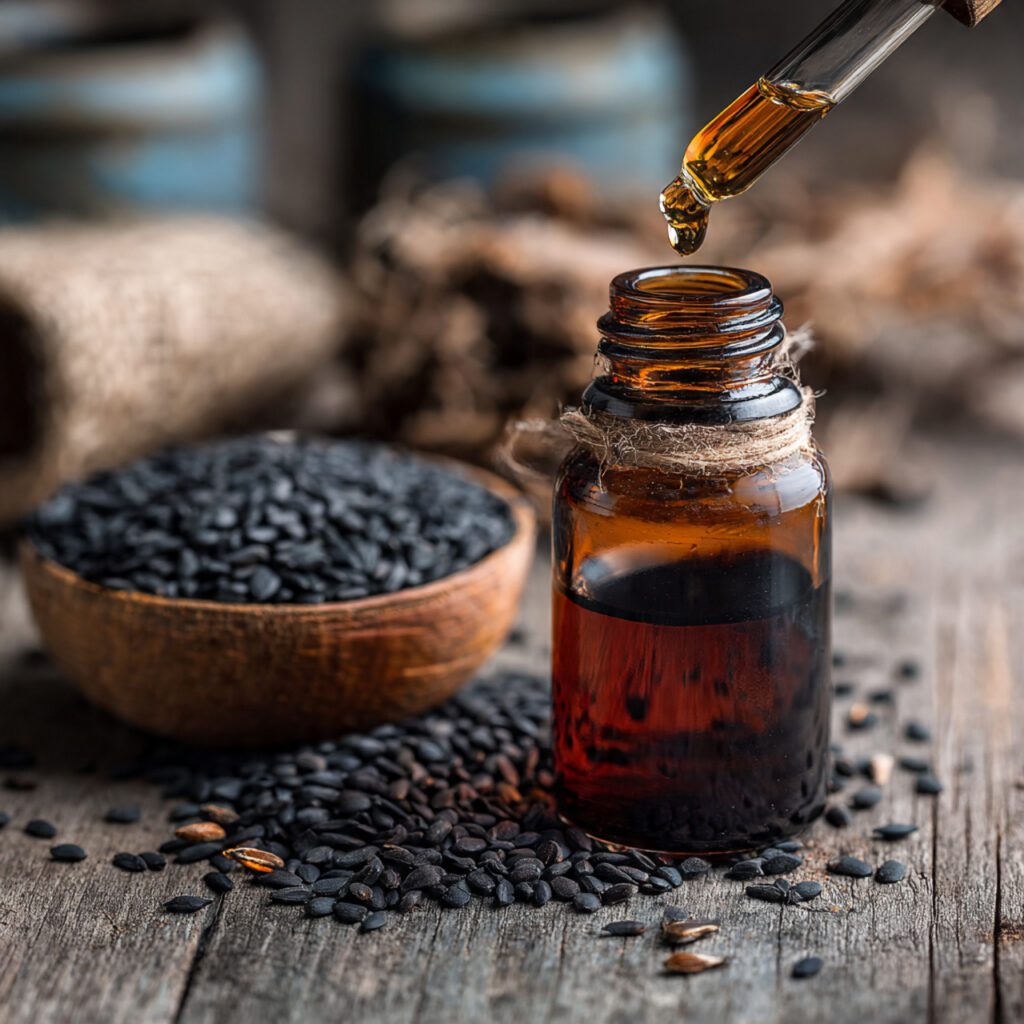
Black seed oil contains thymoquinone, a powerful compound that regenerates hair follicles and promotes growth. This oil addresses multiple causes of hair loss simultaneously through its anti-inflammatory and antioxidant properties. I apply black seed oil directly to my scalp twice weekly for comprehensive benefits.
Research shows black seed oil significantly reduces hair fall and increases hair density. After four months of use, my overall hair health improved dramatically with reduced shedding and visible new growth. This versatile oil works for various types of hair loss, making it an excellent choice when you’re unsure what oil is good for thinning hair in your specific case.
Creating Your Personalized Oil Treatment Routine
You don’t need to use all 15 oils simultaneously. I started with rosemary and coconut oil as my base treatment, then gradually experimented with adding other oils. Creating a blend that works for your specific hair type and loss pattern produces better results than randomly trying different oils.
I keep a hair journal tracking which oil combinations produce the best results for my thinning patterns. This systematic approach helped me identify that rosemary, pumpkin seed, and peppermint oils work best for my genetically thinning hair. Personalizing your approach ensures you invest time and money in oils that actually help your specific situation.
Conclusion
Understanding what oil is good for thinning hair gave me the power to address my hair loss naturally and effectively. These 15 proven oils offer various mechanisms for fighting thinning hair, from hormone blocking to circulation improvement to direct follicle stimulation. The key to success lies in choosing oils that match your hair loss causes and applying them consistently over months rather than expecting immediate results.
Remember that oils work gradually by supporting your hair’s natural growth cycle and improving scalp health. My transformation took six months of dedicated treatment before I saw significant improvements. Start with 2-3 oils that address your specific concerns, apply them consistently, and give your hair time to respond. Natural oil treatments combined with patience and proper technique can produce remarkable results for thinning hair.