18 Proven Tips to Style a Small Bedroom
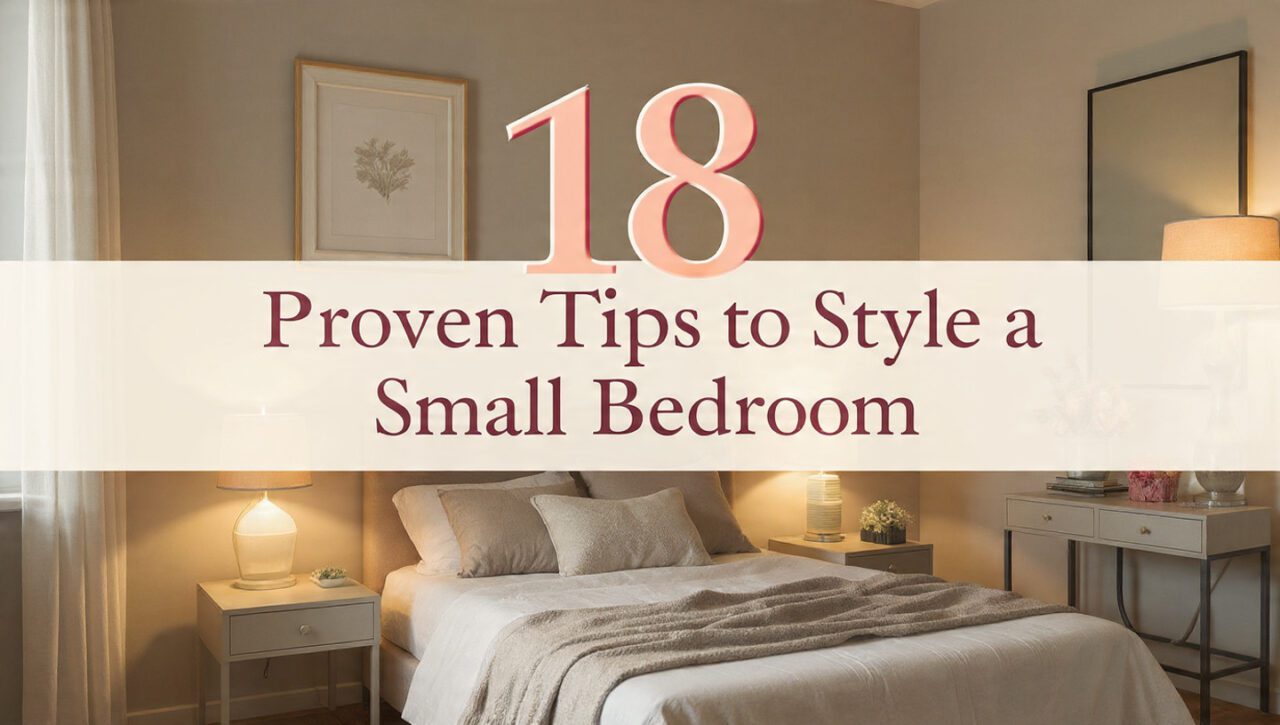
18 Proven Tips to Style a Small Bedroom can completely transform even the tiniest space into a comfortable, stylish, and functional retreat. Styling a small bedroom is not about adding more items but about making smarter design choices that visually open up the room while keeping it cozy and personal. With the right colors, furniture placement, lighting, and décor techniques, a small bedroom can feel just as inviting as a larger one. These ideas are practical, realistic, and designed to help you create a bedroom that feels calm, balanced, and beautifully styled without feeling crowded.
1. Choose a Light and Airy Color Palette
Light colors instantly make a small bedroom feel larger and more open. Shades like white, soft beige, light gray, and muted pastels reflect light and reduce visual heaviness. When walls feel brighter, the entire room appears more spacious. Designers often recommend sticking to one main color with subtle variations to avoid visual breaks. This creates a seamless and calming effect that works perfectly in compact bedrooms.
2. Use Multi-Functional Furniture
Furniture that serves more than one purpose is essential in a small bedroom. Beds with built-in storage, nightstands with drawers, or benches that double as storage help reduce clutter. When fewer pieces are needed, the room feels more open. Designers prioritize furniture that maximizes function without adding bulk. This approach keeps the bedroom practical and visually clean.
3. Keep Furniture Proportional to the Room
Oversized furniture can overwhelm a small bedroom instantly. Choose pieces that are scaled to fit the space comfortably. A slim bed frame, narrow nightstands, and compact dressers help maintain balance. Designers suggest measuring carefully before buying furniture. Proper proportions allow the room to breathe and feel organized.
4. Maximize Vertical Space
Using vertical space draws the eye upward and makes the room feel taller. Wall-mounted shelves, tall wardrobes, or vertical artwork help utilize unused wall areas. Designers often recommend floating shelves instead of bulky bookcases. This keeps the floor clear and visually expands the room. Vertical styling is a smart way to add storage without crowding the space.
5. Choose the Right Bed Placement
Bed placement can dramatically impact how spacious a bedroom feels. Positioning the bed against the longest wall often creates better flow. Avoid blocking windows or walkways whenever possible. Designers test different layouts before settling on one. Proper bed placement improves both functionality and visual balance.
6. Use Mirrors to Create Depth
Mirrors reflect light and visually double the space in a small bedroom. A large mirror or mirrored closet doors can make the room feel more open. Designers place mirrors opposite windows to maximize natural light. Even decorative mirrors can enhance brightness. Mirrors are one of the easiest tricks for making small rooms feel bigger.
7. Stick to a Minimal Décor Approach
Too many decorative items can overwhelm a small bedroom. A minimal approach keeps the space calm and uncluttered. Designers recommend choosing a few meaningful décor pieces instead of many small ones. This allows each item to stand out. Minimal décor helps the room feel intentional and restful.
8. Use Under-Bed Storage Wisely
Under-bed storage is valuable real estate in a small bedroom. Storage bins, drawers, or lift-up beds help hide extra items. Designers advise keeping under-bed storage organized and dust-free. This reduces visible clutter elsewhere. Smart storage solutions keep the room looking neat and spacious.
9. Choose Light Window Treatments
Heavy curtains can make a small bedroom feel closed in. Light fabrics like sheer curtains or linen panels allow natural light to flow freely. Designers often hang curtains higher to create the illusion of taller ceilings. Keeping windows visually open enhances brightness. Light window treatments add softness without heaviness.
10. Limit the Color Palette
Using too many colors can visually shrink a small bedroom. Designers suggest sticking to two or three coordinated tones. This creates harmony and flow. A limited palette also feels more calming. Consistency in color helps the room appear larger and more cohesive.
11. Add Texture Instead of Bulk
Texture adds interest without taking up physical space. Use textured bedding, rugs, cushions, or wall finishes. Designers often layer fabrics to add warmth. Texture keeps the room visually rich while staying light. This technique is perfect for small bedrooms that need character without clutter.
12. Use Floating Nightstands
Floating nightstands free up floor space and make the room feel less crowded. They provide function without bulk. Designers love floating furniture for small rooms. It creates a clean, modern look. This small change can have a big impact on openness.
13. Choose a Statement Headboard Carefully
A headboard can add style without overwhelming the space if chosen wisely. Upholstered or slim wooden headboards work well. Designers avoid oversized or heavy designs in small bedrooms. A simple statement adds personality while keeping balance. The right headboard anchors the bed beautifully.
14. Keep the Floor as Clear as Possible
Visible floor space makes a room feel larger. Avoid placing unnecessary furniture or décor on the floor. Designers recommend wall-mounted lighting and shelves to free up space. A clear floor improves flow and comfort. This creates an airy and organized feel.
15. Use Soft and Layered Lighting
Layered lighting makes a small bedroom feel cozy and functional. Use a mix of ambient, task, and accent lighting. Designers prefer warm light tones for bedrooms. Wall sconces or pendant lights save space. Proper lighting enhances comfort without adding clutter.
16. Style with Purposeful Accessories
Accessories should be intentional in a small bedroom. Choose items that add beauty and function. Designers suggest limiting accessories to a few key pieces. This keeps the space from feeling busy. Purposeful styling makes the room feel curated.
17. Keep Storage Closed and Organized
Open storage can make a small bedroom feel messy. Closed cabinets and drawers hide clutter. Designers often choose furniture with hidden storage. Organization is key to maintaining a clean look. A tidy room always feels bigger.
18. Add Personal Touches Thoughtfully
Personal touches make a bedroom feel inviting. Use framed photos, meaningful art, or sentimental décor sparingly. Designers balance personal items with neutral elements. This keeps the room warm but uncluttered. Thoughtful personalization adds character without overwhelming the space.
How to Style a Small Bedroom Effectively
Start by decluttering the room completely. Choose a light color palette and plan furniture placement carefully. Focus on multi-functional pieces and smart storage solutions. Use mirrors and lighting to enhance openness. Style slowly, editing as you go, to maintain balance and comfort.
Why These Small Bedroom Styling Tips Work
These tips work because they focus on visual flow, balance, and function. Designers prioritize light, proportion, and organization in small spaces. Reducing clutter and choosing smart furniture improves both comfort and appearance. This approach creates a bedroom that feels larger, calmer, and more inviting.
Tips to Maintain a Styled Small Bedroom
Keep surfaces clear and return items to their place daily. Avoid adding unnecessary décor over time. Rotate accessories seasonally instead of adding more. Regularly reassess storage needs. Consistent maintenance keeps the bedroom stylish and stress-free.
Final Thoughts
These 18 Proven Tips to Style a Small Bedroom show that size doesn’t limit style. With thoughtful choices, smart storage, and intentional décor, a small bedroom can feel elegant, cozy, and functional. When every element has a purpose, the space becomes calm and beautifully balanced, making it a true retreat.