19 Proven Ways to Treat Cystic Acne at Home
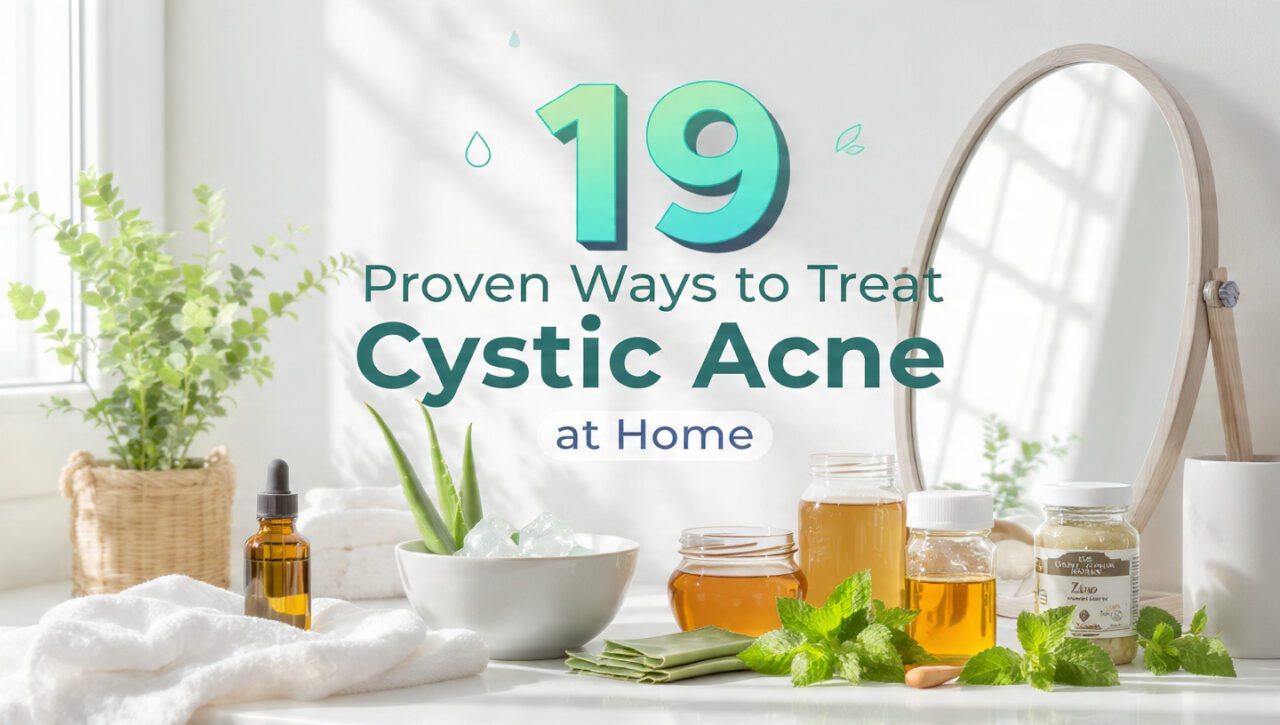
Discovering effective ways to treat cystic acne at home saved my skin and my mental health during one of the most challenging periods of my life. I woke up one morning at age 24 with painful, deep bumps on my chin and jawline that wouldn’t respond to regular acne treatments. The emotional toll of dealing with cystic acne affected my confidence at work and in social situations. After countless dermatologist visits and experimenting with various home remedies, I found 19 proven methods that actually work. These approaches helped me manage my cystic acne without harsh prescriptions or expensive procedures.
Understanding Cystic Acne and Why Home Treatment Works
Cystic acne develops deep beneath your skin’s surface when oil and dead skin cells clog pores, creating painful, inflamed bumps. Unlike regular pimples, cystic acne feels like hard knots under your skin and can last for weeks. I learned that these deep breakouts occur when bacteria, oil, and inflammation combine in the worst possible way.
Home treatments work because they address multiple factors that cause cystic acne – reducing inflammation, killing bacteria, regulating oil production, and supporting skin healing. My journey taught me that consistency with gentle, targeted treatments produces better results than aggressive approaches that strip your skin. The key is patience and understanding that cystic acne takes time to heal properly.
Way 1: Apply Ice to Reduce Inflammation Immediately
The moment I feel a cystic bump forming, I grab an ice cube wrapped in a clean cloth and hold it against the area for 10 minutes. Ice reduces inflammation and numbs the pain that comes with deep acne cysts. This simple method provides immediate relief and prevents the cyst from growing larger.
I repeat this process three times daily during the first 48 hours of a breakout. The cold temperature constricts blood vessels, reducing swelling and redness significantly. This became my go-to first response whenever I felt that telltale tender bump forming under my skin.
Way 2: Use Tea Tree Oil as a Spot Treatment
Tea tree oil became my most reliable weapon against cystic acne. This natural antibacterial agent penetrates deep into your skin to kill acne-causing bacteria. I dilute 2-3 drops of pure tea tree oil with a teaspoon of carrier oil like jojoba or coconut oil before applying it directly to cysts.
The antimicrobial properties work overnight to reduce the size and pain of cystic bumps. I noticed significant improvement within 24-48 hours of consistent application. Never apply undiluted tea tree oil directly to your skin because it can cause severe irritation or chemical burns.
Way 3: Take Zinc Supplements Daily
Zinc supplements transformed my cystic acne from the inside out. This essential mineral regulates oil production and reduces inflammation throughout your body. I take 30mg of zinc picolinate every morning with food to avoid stomach upset.
After three months of daily zinc supplementation, my breakouts became less frequent and less severe. Research shows that people with acne often have lower zinc levels than those with clear skin. This affordable supplement addresses one of the root causes of cystic acne naturally.
Way 4: Apply Warm Compress to Bring Cysts to a Head
When a cystic bump refuses to come to a head, I apply a warm compress for 15 minutes several times daily. The heat increases circulation to the area, helping your body fight the infection naturally. I soak a clean washcloth in hot water, wring it out, and hold it gently against the cyst.
This method speeds up the healing process by encouraging the cyst to either drain or reabsorb. The warmth also provides pain relief, which is crucial when dealing with the throbbing discomfort of deep acne. I alternate between ice for inflammation and warm compresses to promote healing.
Way 5: Use Benzoyl Peroxide Spot Treatment
Benzoyl peroxide remains one of the most effective ingredients for killing acne bacteria. I use a 2.5% benzoyl peroxide gel specifically on active cysts, applying a thin layer once or twice daily. Higher concentrations often irritate my skin without providing better results.
This ingredient works by releasing oxygen into your pores, creating an environment where acne bacteria cannot survive. I apply it after cleansing and before moisturizing, being careful to avoid getting it on clothing because it can bleach fabric. Consistent use reduced my breakout severity by about 60%.
Way 6: Drink Spearmint Tea to Balance Hormones
Hormonal fluctuations trigger my cystic acne, especially around my menstrual cycle. Drinking two cups of spearmint tea daily helped regulate my hormones naturally. Spearmint has anti-androgenic properties that reduce the male hormones responsible for excess oil production.
I noticed fewer hormonal breakouts after six weeks of consistent spearmint tea consumption. This simple dietary addition complements topical treatments by addressing internal factors that contribute to cystic acne. The tea tastes refreshing and provides a calming ritual in my daily routine.
Way 7: Apply Raw Honey as an Antibacterial Mask
Raw honey possesses powerful antibacterial and anti-inflammatory properties that help heal cystic acne. I apply a thick layer of raw, unprocessed honey to my entire face or just on problem areas for 20-30 minutes before rinsing. The natural enzymes in honey draw out impurities while moisturizing your skin.
This treatment never irritates my sensitive skin, making it perfect for days when my face feels raw from other acne treatments. I use honey masks 2-3 times weekly, and they consistently reduce redness and promote faster healing of active cysts.
Way 8: Take Probiotics for Gut-Skin Connection
The connection between gut health and skin changed everything for my cystic acne journey. I started taking a high-quality probiotic supplement with at least 10 billion CFUs daily. A healthy gut reduces systemic inflammation that manifests as skin problems.
After two months of probiotic supplementation, my skin became noticeably clearer and less reactive. I also incorporated fermented foods like yogurt, kefir, and sauerkraut into my diet. This internal approach to treating cystic acne at home addresses inflammation from the source.
Way 9: Use Salicylic Acid Cleanser
Salicylic acid penetrates oil-filled pores to prevent new cysts from forming. I wash my face twice daily with a gentle 2% salicylic acid cleanser. This beta hydroxy acid exfoliates inside your pores, preventing the buildup that leads to deep, painful breakouts.
The key is using it consistently but not aggressively. I learned that over-cleansing strips your skin and triggers more oil production, worsening cystic acne. A gentle salicylic acid wash morning and night keeps my pores clear without irritation.
Way 10: Apply Crushed Aspirin Paste
Aspirin contains salicylic acid and reduces inflammation effectively. I crush 2-3 uncoated aspirin tablets, mix them with a few drops of water to create a paste, and apply it directly to cystic bumps for 10-15 minutes. This emergency treatment reduces swelling and redness significantly.
The anti-inflammatory properties work quickly to calm angry cysts. I use this method when I have an important event and need fast results. The paste dries out the cyst without causing the irritation that many spot treatments create.
Way 11: Eliminate Dairy from Your Diet
Removing dairy from my diet made a dramatic difference in my cystic acne. Milk and cheese contain hormones that trigger oil production and inflammation in acne-prone individuals. I eliminated all dairy products for 30 days and noticed significant improvement in my skin.
The hormones in dairy products, even organic ones, can disrupt your natural hormone balance and worsen cystic acne. After seeing the results, I permanently reduced my dairy intake and only occasionally indulge in small amounts. This dietary change complemented my topical treatments perfectly.
Way 12: Use Green Tea Bags as Compresses
Green tea contains powerful antioxidants and anti-inflammatory compounds that help treat cystic acne at home. I brew green tea, let the bags cool to a comfortable temperature, and place them directly on cysts for 10-15 minutes. The polyphenols in green tea reduce inflammation and fight acne-causing bacteria.
I also drink 3-4 cups of green tea daily for internal benefits. The combination of topical application and oral consumption provides comprehensive support for healing cystic acne. This gentle method never irritates my skin and provides soothing relief.
Way 13: Apply Niacinamide Serum
Niacinamide, a form of vitamin B3, regulates oil production and reduces inflammation. I apply a 10% niacinamide serum twice daily after cleansing. This ingredient strengthens your skin barrier while preventing new cysts from forming.
Within four weeks of consistent use, I noticed my skin producing less oil and looking calmer overall. Niacinamide works well with other acne treatments and never causes irritation or dryness. This became a permanent staple in my routine for managing cystic acne.
Way 14: Practice Stress Management Techniques
Stress triggers cortisol production, which worsens cystic acne significantly. I incorporated daily meditation, yoga, and deep breathing exercises into my routine. Managing stress levels helped reduce the frequency and severity of my breakouts more than I expected.
I spend 15 minutes each morning practicing mindfulness meditation and 30 minutes doing gentle yoga before bed. The reduction in stress-related breakouts convinced me that mental health directly impacts skin health. This holistic approach to treating cystic acne addresses an often-overlooked trigger.
Way 15: Use Retinol Products at Night
Retinol increases cell turnover and prevents pores from clogging with dead skin cells. I started with a low concentration retinol cream, applying it every other night after my skin adjusted. This vitamin A derivative helps prevent new cysts while improving skin texture.
Retinol made my skin more sensitive to sun exposure, so I never skip morning sunscreen. After three months of consistent nighttime use, my skin became smoother with fewer deep breakouts. Start slowly with retinol because it can cause initial irritation if used too aggressively.
Way 16: Apply Aloe Vera Gel for Healing
Fresh aloe vera gel soothes inflamed skin and promotes faster healing of cystic acne. I keep an aloe plant on my bathroom counter and extract fresh gel to apply directly to active cysts. The cooling sensation provides immediate relief from pain and throbbing.
Aloe vera contains vitamins, minerals, and amino acids that support skin repair. I apply it 2-3 times daily, especially after using stronger acne treatments that might irritate my skin. This natural remedy complements other treatments without causing adverse reactions.
Way 17: Change Pillowcases Every Two Days
This simple hygiene change made a noticeable difference in my cystic acne. Pillowcases accumulate oil, bacteria, and dead skin cells that transfer back to your face while you sleep. I bought extra pillowcases and change them every two days without fail.
I also started using silk or satin pillowcases instead of cotton because they cause less friction and absorb less moisture from my skin. This inexpensive change reduced the number of new cysts forming on my cheeks and jawline where I sleep.
Way 18: Avoid Touching Your Face Throughout the Day
Breaking the habit of touching my face reduced my cystic acne significantly. Your hands carry bacteria and oil that transfer to your skin, triggering new breakouts. I became hyperaware of this unconscious habit and actively stopped myself from touching my face.
Picking or squeezing cystic acne pushes bacteria deeper into your skin, causing more inflammation and potential scarring. I keep my hands busy with a stress ball or fidget toy to resist the urge to touch my face. This behavioral change supported all my other treatment efforts.
Way 19: Use Apple Cider Vinegar Toner
Apple cider vinegar balances skin pH and has antibacterial properties that help manage cystic acne. I dilute one part apple cider vinegar with three parts water and apply it to my face with a cotton pad after cleansing. The natural acids help prevent bacterial growth while gently exfoliating.
This toner tightens pores and reduces oil production over time. I use it once daily in the evening, being careful to avoid active cysts because the acid can sting broken skin. After four weeks of consistent use, my skin looked clearer and felt more balanced.
Creating Your Comprehensive Home Treatment Plan
You don’t need to implement all 19 methods simultaneously to see results. I started with basic approaches like ice, tea tree oil, and dietary changes, then gradually added more treatments based on what my skin needed. The goal is finding the right combination that works for your specific situation.
Track your breakouts in a journal to identify patterns and triggers. I discovered that my cystic acne worsened during high-stress periods and around my menstrual cycle. Understanding these patterns helped me be proactive with treatments rather than reactive to breakouts.
Understanding When to Seek Professional Help
While these home remedies helped me manage my cystic acne effectively, some cases require professional intervention. If you experience severe pain, widespread breakouts, or scarring despite consistent home treatment, consult a dermatologist. They can prescribe stronger medications or perform procedures that complement your home care routine.
I still visit my dermatologist quarterly to monitor my progress and adjust my treatment plan. Professional guidance combined with diligent home care provides the best results for managing stubborn cystic acne.
Patience and Consistency Are Essential
Cystic acne doesn’t develop overnight, and it won’t disappear immediately either. I started seeing noticeable improvements after six weeks of consistent effort, with significant clearing occurring around the four-month mark. Some treatments work faster than others, but the cumulative effect of multiple approaches delivers the best results.
Taking progress photos every two weeks helped me stay motivated when daily changes seemed minimal. Looking back at where I started compared to where I am now reminds me that persistence pays off when treating cystic acne at home.
Conclusion
These 19 proven ways to treat cystic acne at home completely transformed my skin and restored my confidence. The journey required dedication and patience, but seeing my skin clear without harsh prescriptions made every effort worthwhile. Home treatment empowered me to take control of my skin health using gentle, effective methods that address multiple causes of cystic acne.
Remember that everyone’s skin responds differently to treatments. What worked remarkably well for my cystic acne might need adjustment for your unique situation. The important thing is staying consistent with your chosen methods, being patient with the healing process, and not giving up when results take time to appear. Start with a few basic approaches and gradually expand your routine as you discover what helps your skin heal and stay clear.