15 Proven Tips to Decorate Your Home with Neutral Colors
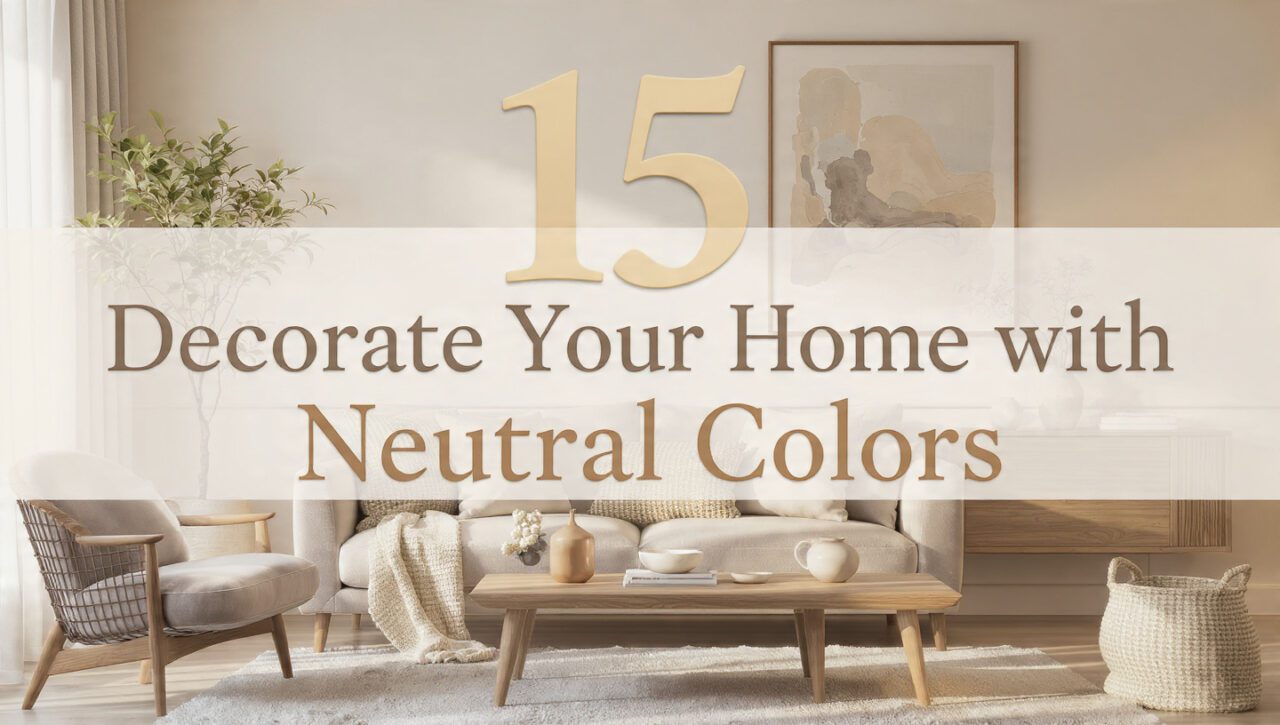
15 Proven Tips to Decorate Your Home with Neutral Colors can help you create a calm, elegant, and timeless space that feels warm and inviting rather than dull or boring. Neutral décor is popular because it works with every home style, from modern to farmhouse, and it never goes out of trend. When used correctly, neutral colors add depth, personality, and a luxurious feel to your home. This guide focuses on practical styling ideas that balance softness, texture, and warmth while keeping the space visually interesting and comfortable.
1. Start with a Warm Neutral Base
Choosing the right neutral base is the foundation of successful decorating. Warm neutrals like beige, cream, greige, and soft taupe feel welcoming and cozy. These shades reflect light gently and make rooms feel open without looking cold. Designers often recommend warm neutrals for walls because they pair well with both light and dark accents. A balanced neutral base creates harmony throughout the home and makes layering décor much easier.
2. Layer Different Shades of Neutrals
Using only one neutral shade can make a space feel flat. Layering different tones like ivory, sand, soft brown, and warm gray adds depth and richness. Designers mix light and medium neutrals to create contrast without harsh lines. This technique keeps the room visually interesting while maintaining a calm look. Layered neutrals give the home a soft, designer-inspired appearance.
3. Use Texture to Add Visual Interest
Texture is essential when decorating with neutral colors. Materials like linen, wool, wood, leather, ceramic, and stone add dimension without adding color. Designers rely on texture to prevent neutral spaces from feeling boring. Textured rugs, cushions, throws, and wall décor instantly elevate a room. Mixing textures makes neutral décor feel warm, cozy, and inviting.
4. Incorporate Natural Materials
Natural materials bring life into neutral interiors. Wood furniture, woven baskets, jute rugs, and stone accents add warmth and authenticity. Designers often use natural elements to ground a neutral space. These materials introduce subtle color variations and organic patterns. Natural textures help neutral homes feel relaxed and lived-in rather than overly styled.
5. Add Contrast with Soft Dark Accents
Contrast keeps neutral décor balanced. Adding soft dark accents like charcoal, deep brown, or muted black helps define the space. Designers use contrast in small doses through frames, lamps, or furniture legs. This creates visual structure without overpowering the neutral palette. Proper contrast makes rooms feel intentional and polished.
6. Choose Neutral Furniture with Clean Lines
Furniture plays a major role in neutral décor. Neutral-colored sofas, chairs, and beds with clean lines feel timeless and elegant. Designers prefer simple silhouettes because they don’t compete with the color palette. Neutral furniture also allows easy updates with accessories. This approach keeps your home flexible and stylish for years.
7. Use Neutral Artwork and Wall Decor
Artwork doesn’t need bold colors to make an impact. Neutral art, abstract prints, line drawings, and textured wall hangings add personality without disrupting the palette. Designers often layer art in similar tones for cohesion. Neutral wall décor adds sophistication while keeping the space calm. This helps maintain visual flow throughout the home.
8. Style with Neutral Textiles
Textiles soften neutral spaces and add comfort. Curtains, cushions, rugs, and throws in neutral tones bring warmth and depth. Designers mix fabrics like linen, cotton, and wool for variety. Neutral textiles help create a cozy atmosphere without overwhelming the room. Layering textiles is key to achieving a balanced look.
9. Add Warm Lighting
Lighting can completely change how neutral colors appear. Warm lighting enhances beige and cream tones, making spaces feel inviting. Designers recommend layered lighting using lamps, sconces, and ceiling lights. Soft lighting prevents neutral rooms from feeling flat or cold. Proper lighting adds elegance and comfort.
10. Use Neutral Decor in Different Finishes
Finish variation keeps neutral décor interesting. Matte, glossy, rough, and smooth finishes work together to add depth. Designers often mix ceramic vases, glass décor, and wooden accents. This variation adds subtle contrast without adding color. Different finishes make neutral spaces feel refined and well-styled.
11. Keep the Color Palette Consistent
Consistency is important when working with neutrals. Stick to a limited palette throughout your home for flow. Designers usually choose two to three main neutral shades. This creates harmony from room to room. A consistent palette makes your home feel cohesive and thoughtfully designed.
12. Add Greenery for a Fresh Touch
Plants bring freshness to neutral spaces. Greenery adds natural color without overwhelming the palette. Designers often use plants to soften neutral rooms. Even simple plants like eucalyptus or olive branches work beautifully. Greenery adds life, texture, and balance.
13. Use Neutral Patterns Sparingly
Patterns can work well in neutral décor when used carefully. Subtle patterns like stripes, geometric designs, or soft florals add interest. Designers prefer low-contrast patterns that blend into the palette. This keeps the room visually engaging without feeling busy. Neutral patterns enhance depth and character.
14. Focus on Balance and Spacing
Spacing is just as important as décor. Neutral rooms need breathing space to feel calm. Designers avoid overcrowding furniture and accessories. Balanced spacing allows textures and tones to stand out. A well-spaced neutral room feels luxurious and intentional.
15. Add Personal Touches Thoughtfully
Personal touches make neutral décor feel warm and lived-in. Use framed photos, meaningful objects, or heirlooms in neutral tones. Designers balance personal items with clean styling. This keeps the space inviting without clutter. Thoughtful personalization adds soul to neutral interiors.
How to Decorate Your Home with Neutral Colors Successfully
Start by choosing a warm neutral base and building from there. Layer different tones and textures gradually. Focus on natural materials and soft lighting. Add contrast in small amounts to define the space. Step back often and edit unnecessary items. Decorating with neutrals works best when the space feels balanced and intentional.
Why Neutral Decor Works in Any Home
Neutral décor works because it creates calm and visual harmony. Designers use neutrals to make spaces feel timeless and adaptable. Neutral colors highlight texture, light, and form rather than distracting the eye. This makes rooms feel comfortable and elegant. Neutral homes also adapt easily to seasonal updates.
Tips to Keep Neutral Decor from Feeling Boring
Use texture generously. Mix finishes and materials. Add greenery for freshness. Change textiles seasonally. Keep lighting warm and layered. Avoid using only one shade. These tips ensure neutral décor stays interesting and inviting.
Final Thoughts
These 15 Proven Tips to Decorate Your Home with Neutral Colors prove that neutral décor can be stylish, warm, and full of personality. With the right balance of tones, textures, and thoughtful details, neutral homes feel timeless and luxurious. When done well, neutral decorating creates a peaceful environment that never goes out of style.