12 Hair Care Myths You Should Stop Believing
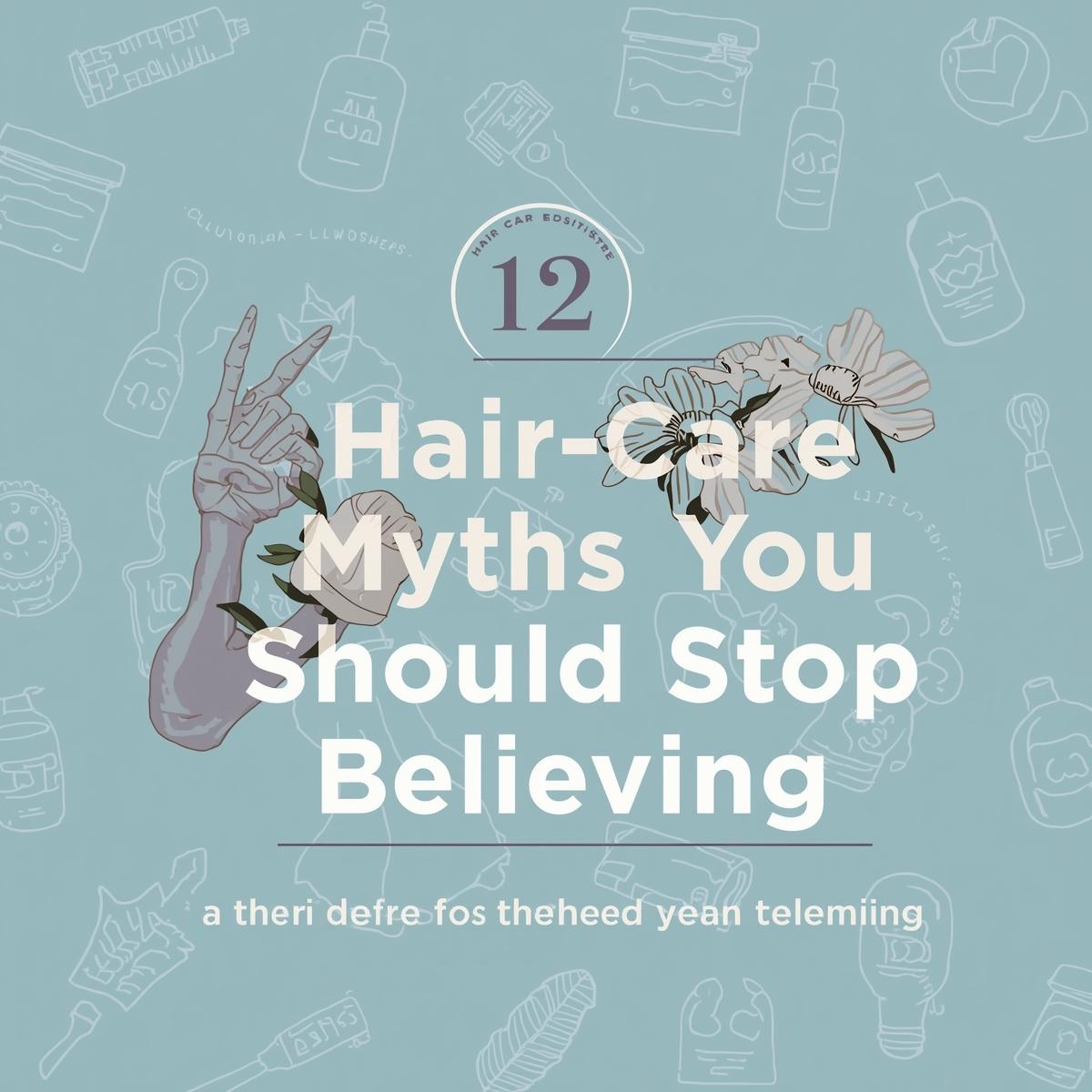
Hair care advice is everywhere, especially online, but not all of it is helpful or even true. Many women unknowingly follow outdated or viral hair myths that can actually damage their hair instead of improving it. Understanding the difference between facts and myths is essential for maintaining healthy, strong, and beautiful hair. In today’s world of endless beauty hacks and trends, it’s easy to get confused about what truly works. These 12 Hair Care Myths You Should Stop Believing will help you make smarter hair care decisions backed by logic and proper understanding.
1. Trimming Your Hair Makes It Grow Faster
One of the most common hair myths is that frequent trims make hair grow faster. Hair growth happens at the scalp, not at the ends, so trimming does not affect growth speed. Regular trims only remove split ends, preventing breakage and making hair look healthier. This creates the illusion of faster growth over time. Trimming is beneficial, but it does not influence hair growth rate.

2. Brushing Your Hair 100 Times a Day Is Good
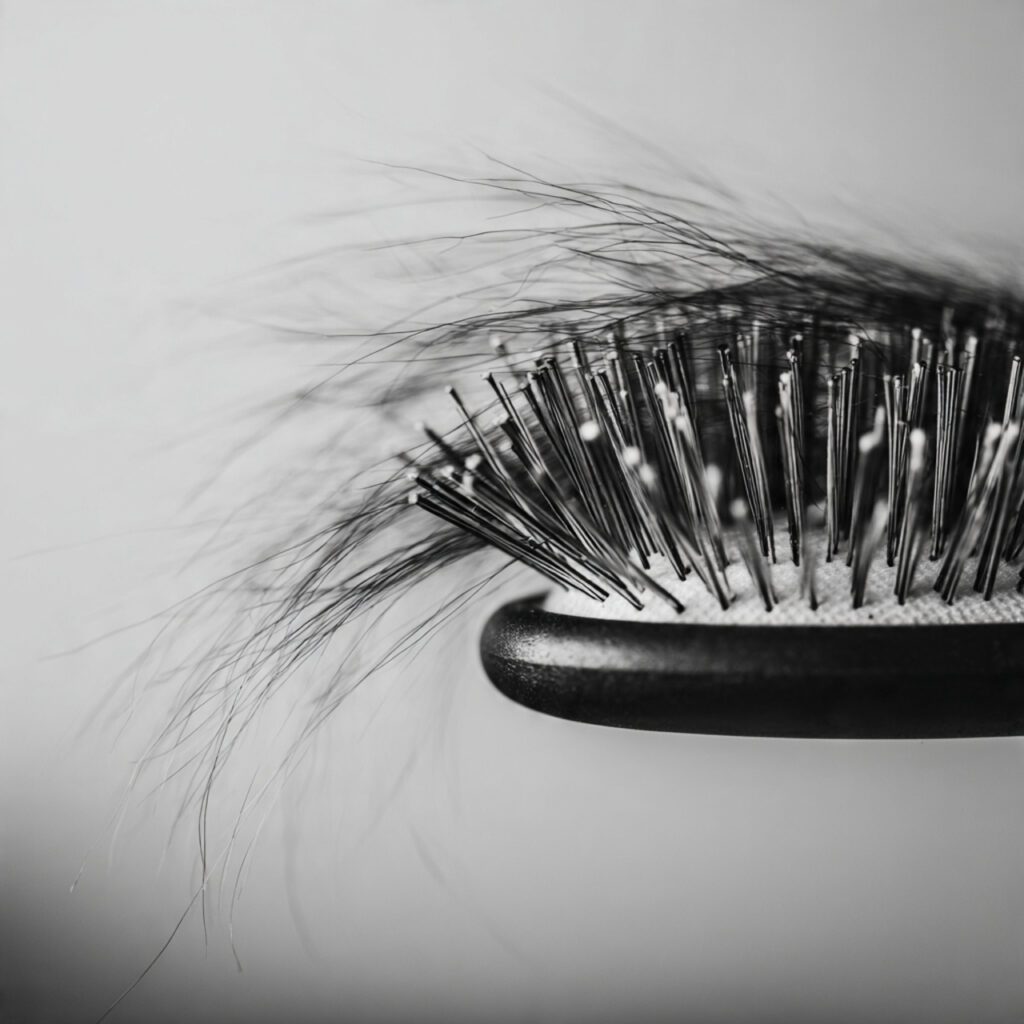
Excessive brushing can actually damage your hair instead of improving it. Too much brushing causes friction, leading to breakage and frizz. Gentle brushing is enough to detangle hair and distribute natural oils. Hair should be brushed carefully based on texture and condition. Quality matters more than quantity when it comes to brushing.
3. Washing Your Hair Every Day Is Necessary
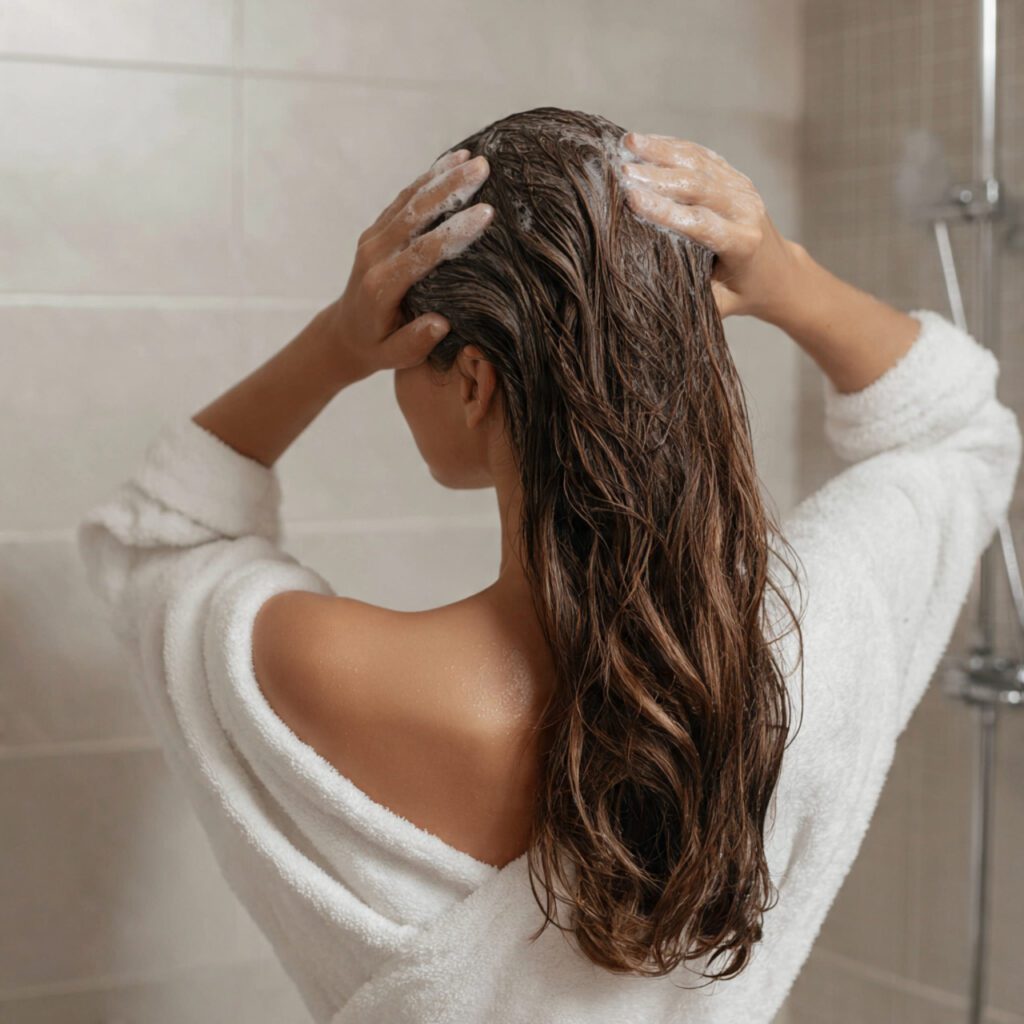
Daily hair washing is not required for most hair types. Over-washing strips the scalp of its natural oils, leading to dryness and irritation. Most women benefit from washing their hair two to three times a week. Hair type, lifestyle, and climate play a role in wash frequency. Finding the right balance keeps hair healthy.
4. Conditioner Makes Hair Greasy
Conditioner does not make hair greasy when used correctly. Greasiness usually comes from applying conditioner directly to the scalp. Conditioner should be applied from mid-length to ends to nourish strands. Lightweight formulas work well for fine or oily hair. Conditioner is essential for softness and protection.
5. Dandruff Means You Have a Dry Scalp
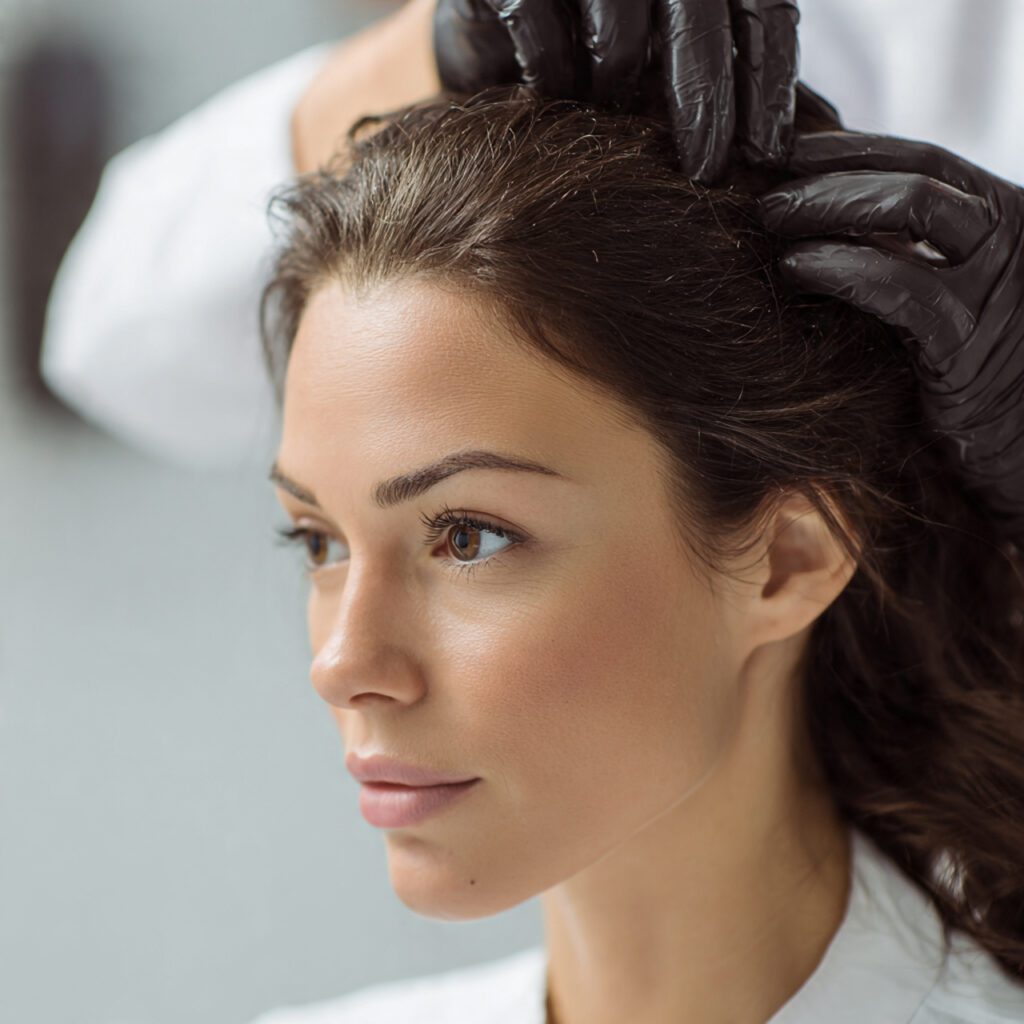
Dandruff is often misunderstood as a sign of dryness. In reality, it is commonly caused by excess oil, yeast overgrowth, or scalp irritation. A dry scalp and dandruff are two different conditions. Treating dandruff requires targeted anti-dandruff shampoos. Understanding the cause leads to better results.
6. Hair Products Can Repair Split Ends
No hair product can permanently fix split ends. Serums and creams only temporarily smooth the appearance of damaged ends. The only real solution for split ends is trimming them off. Preventive care helps reduce future damage. Healthy habits keep split ends at bay.
7. Cold Water Makes Hair Shinier
Cold water alone does not create shiny hair. Shine mainly comes from healthy cuticles and proper hydration. Cold water may help flatten the cuticle slightly, but it’s not a miracle solution. Using the right products makes a bigger difference. Healthy hair naturally reflects light better.

8. Air-Drying Is Always Better Than Blow-Drying
Air-drying is not always safer for hair. Leaving hair wet for too long can weaken the hair shaft. Blow-drying on low heat with heat protection can be less damaging. Proper technique matters more than the method. Balanced drying keeps hair strong.

9. You Should Switch Shampoos Often
Hair does not become immune to shampoo. If your shampoo stops working, product buildup or seasonal changes are usually the cause. Clarifying shampoos help remove buildup. Switching shampoos unnecessarily can disrupt scalp balance. Consistency often works best.

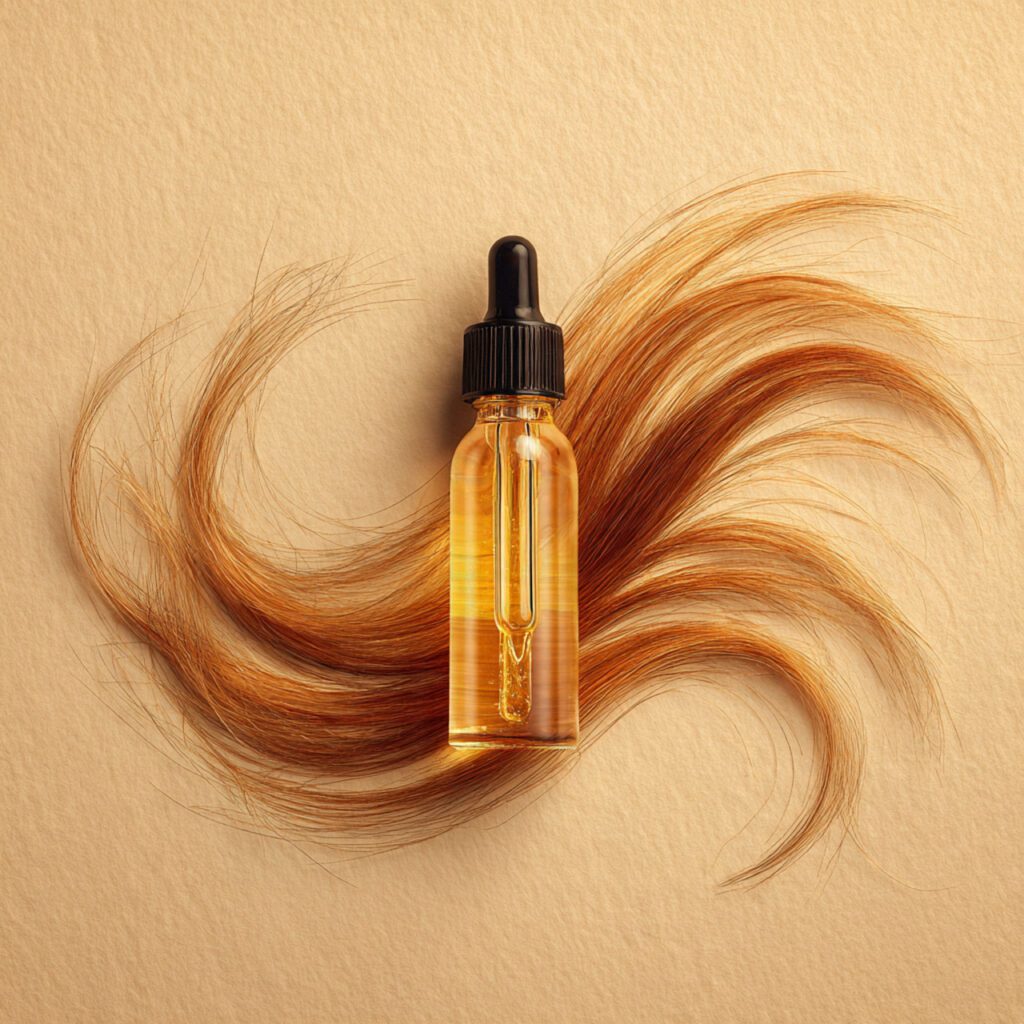
10. Natural Oils Can Repair All Hair Damage
Natural oils provide moisture and shine but cannot repair internal hair damage. Oils seal the cuticle but don’t rebuild broken bonds. Severely damaged hair needs protein or bond-repair treatments. Oils work best as supportive care. Understanding their role prevents disappointment.
11. Cutting Hair During a Full Moon Boosts Growth
There is no scientific evidence linking moon phases to hair growth. Hair growth depends on genetics, nutrition, and scalp health. Lunar myths have no proven impact. Focusing on real hair care habits yields better results. Science always wins over superstition.

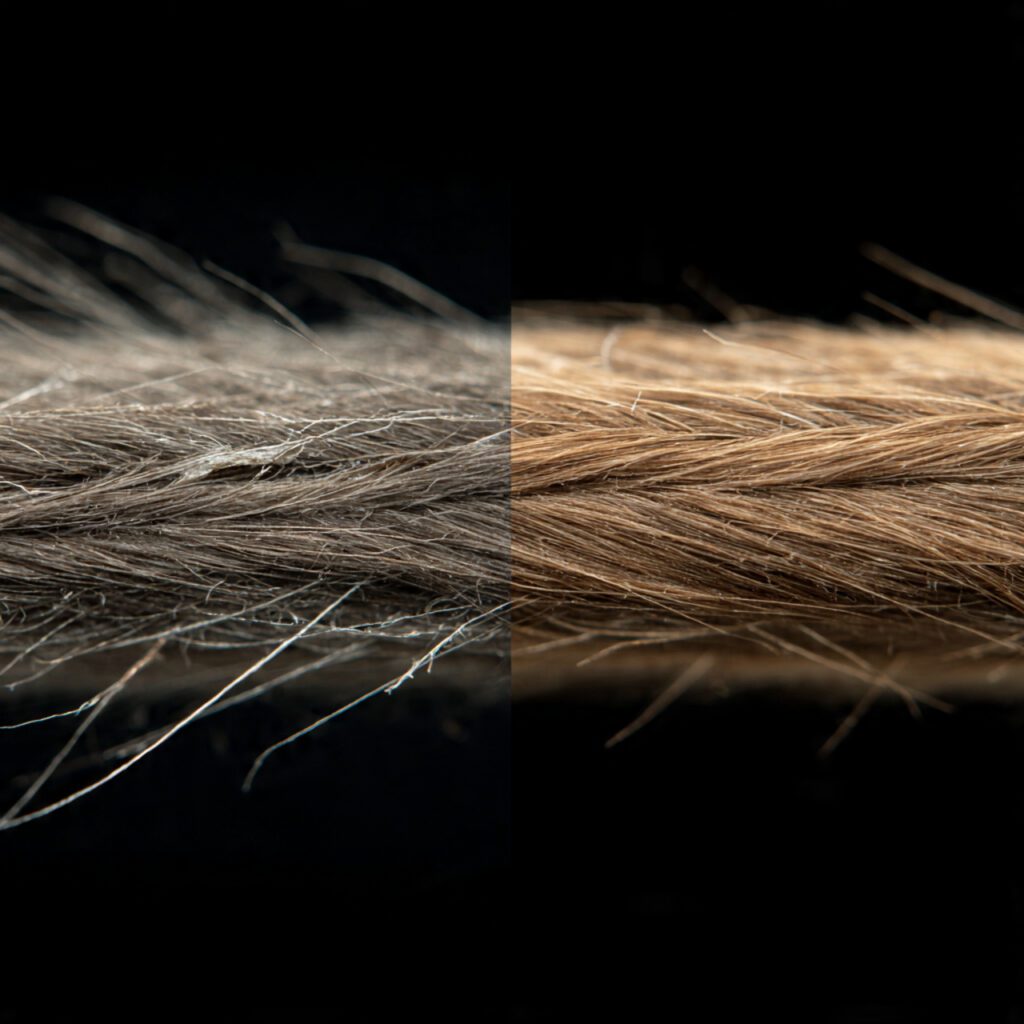
12. Plucking Gray Hair Makes More Grow Back
Plucking gray hair does not cause more gray hairs to grow. However, repeated plucking can damage the follicle. This may lead to thinning in that area over time. Coloring or embracing gray hair is safer. Hair color changes are genetic, not contagious.

Tips for Smarter Hair Care Decisions
Sometimes myths spread because they sound believable or promise quick results. Smart hair care requires patience, consistency, and accurate information. Avoid blindly following viral trends. Understanding your hair’s needs leads to better outcomes.
- Follow advice from licensed professionals
- Pay attention to your hair type
- Be cautious with viral hair hacks
- Focus on long-term hair health
Why Hair Care Myths Are So Common
Hair care myths continue to exist because hair results vary from person to person. Social media spreads quick tips without context. Some myths are rooted in outdated practices. Lack of proper education fuels misinformation. Understanding science helps separate truth from fiction.
- Social media misinformation spreads quickly
- Old traditions persist without evidence
- Everyone’s hair responds differently
- Marketing often exaggerates claims
How to Build a Healthy Hair Care Routine
Building a healthy hair routine requires understanding your hair type and needs. Choose products suited to your scalp and texture. Avoid over-styling and excessive heat. Consistency is more important than trends. A simple routine often delivers the best results.
- Identify your hair and scalp type
- Use products consistently
- Protect hair from heat damage
- Maintain a balanced lifestyle
Conclusion
These 12 Hair Care Myths You Should Stop Believing highlight how misinformation can affect hair health. Learning the truth allows you to care for your hair more effectively. Healthy hair comes from informed choices and consistent care. Avoiding myths helps prevent unnecessary damage. When you focus on facts, your hair truly thrives.