5 Essential Tips on Acne Skincare for Clear and Balanced Skin

Acne skincare is not about using more products or harsher treatments, but about understanding what your skin truly needs. Many people struggle with acne because they unknowingly damage their skin barrier or overwhelm their routine. A well-planned acne skincare approach focuses on gentle care, consistency, and balance. When skin feels supported instead of attacked, it responds better over time. Acne improvement is often gradual, not instant. This article explores 5 essential tips on acne skin care , helping you build habits that support clearer, calmer, and healthier-looking skin naturally.
Cleanse Your Skin Gently Every Day
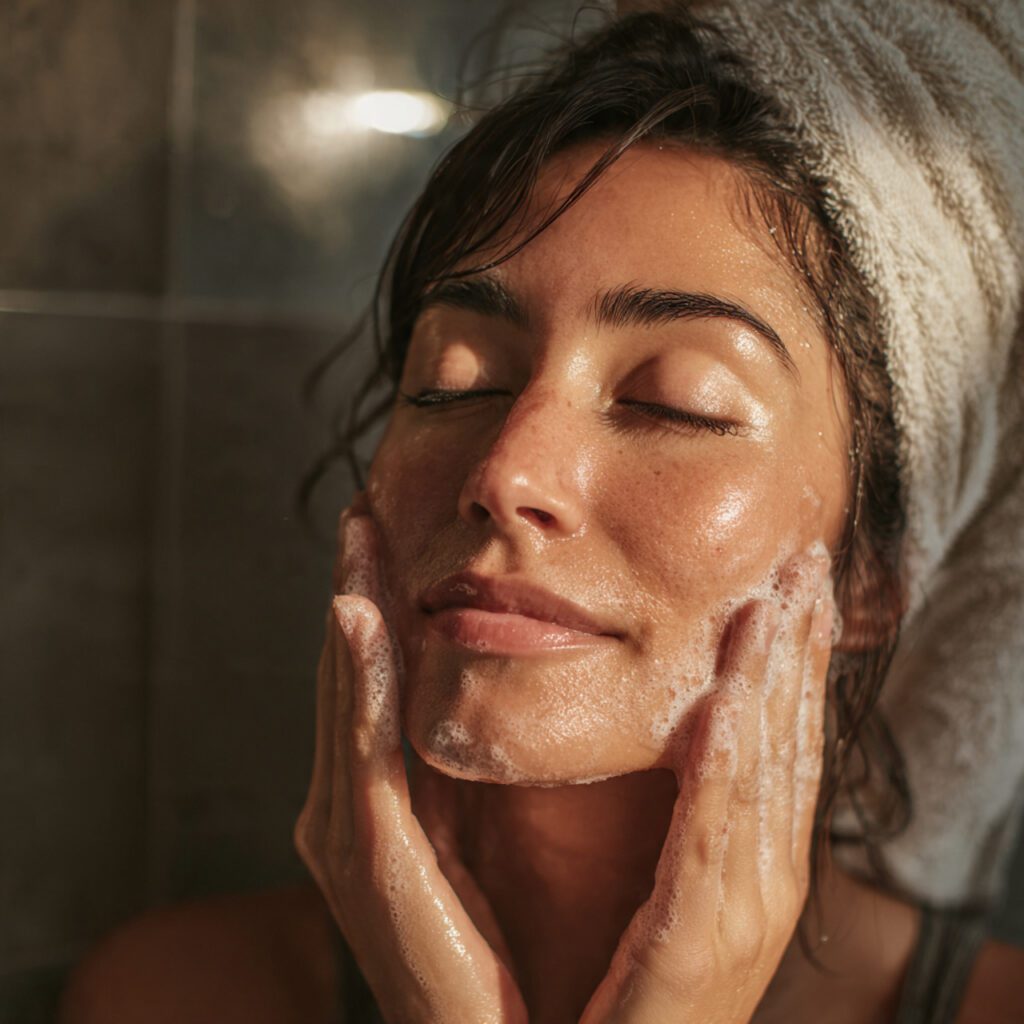
Gentle cleansing is one of the most important steps in acne skincare. Using harsh cleansers can strip the skin of its natural oils and disrupt its protective barrier. When this happens, the skin may produce more oil, leading to clogged pores and breakouts. A mild cleanser removes dirt, sweat, and excess oil without causing irritation. Cleansing twice a day is usually enough for most acne-prone skin types. Keeping this step gentle helps maintain balance and reduces inflammation.
Always Moisturize to Maintain Skin Balance
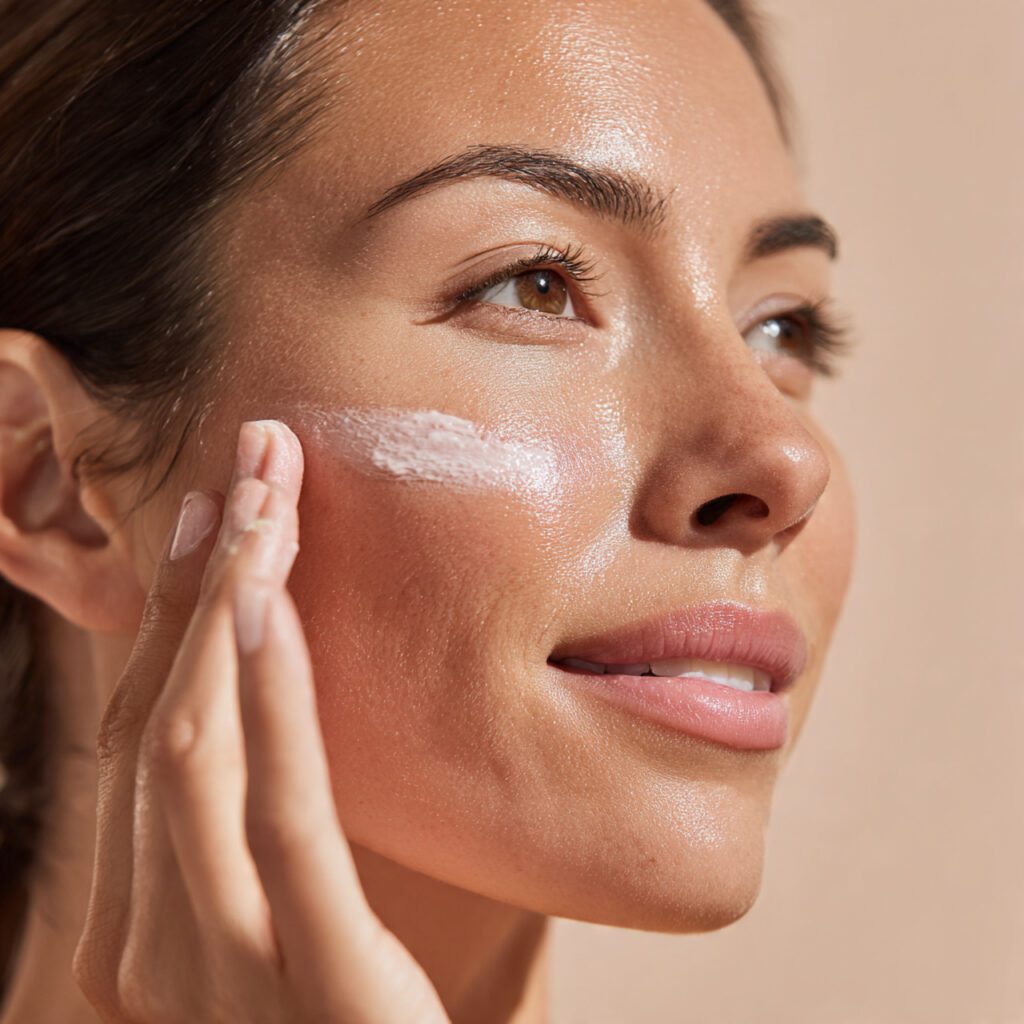
Moisturizing is essential even if your skin feels oily or acne-prone. When skin lacks moisture, it often compensates by producing more oil. A lightweight, non-greasy moisturizer helps keep the skin barrier healthy. Well-hydrated skin heals faster and appears calmer. Skipping moisturizer can slow down acne recovery. Balanced hydration supports clearer skin over time.
Avoid Touching and Picking at Acne
Touching or picking acne introduces bacteria and increases inflammation. This habit can make breakouts worse and lead to scarring. Even light contact transfers oils and dirt from hands to the face. Avoiding face-touching allows blemishes to heal naturally. Patience plays a big role in acne improvement. Leaving the skin undisturbed supports faster recovery.

Keep Your Skincare Routine Simple and Consistent
Using too many products often does more harm than good for acne-prone skin. A simple routine reduces the risk of irritation and reactions. Consistency allows the skin time to adjust and repair itself. Frequently changing products can trigger new breakouts. A steady routine builds trust with your skin. Over time, simplicity leads to better results.

Support Acne Skincare with Healthy Daily Habits
Skincare does not stop at topical products alone. Hydration supports skin function and detoxification. Managing stress can reduce inflammation that contributes to acne. Sleep plays a role in skin repair and renewal. A balanced lifestyle reflects directly on skin health. Healthy habits strengthen the effectiveness of any skincare routine.

Why Acne Skincare Requires Patience and Balance
Acne skincare works best when patience guides expectations. Skin takes time to heal and regulate itself naturally. Over-treating acne often increases irritation rather than improvement. Balanced routines help protect the skin barrier while addressing breakouts. Gentle care reduces redness and sensitivity over time. Consistency allows visible progress to develop gradually. This approach supports long-term skin health instead of temporary fixes.
How to Build an Effective Acne Skincare Routine
Building an effective acne skincare routine starts with understanding your skin type. Choose gentle products that do not overwhelm the skin. Introduce new products slowly to avoid irritation. Maintain the same routine long enough to see results. Support skincare with healthy lifestyle habits. When routine and consistency align, acne improvement becomes more noticeable and sustainable.
Final Thoughts
Acne skincare does not need to be complicated or aggressive to be effective. Gentle care, consistency, and patience often lead to the best results. The advice in 5 essential tips on acne skin care highlights how small, thoughtful habits can support clearer skin. Protecting the skin barrier is just as important as treating breakouts. Over time, balanced routines help skin become calmer and healthier. With the right approach, long-term improvement is achievable.