22 Interior Decorating Ideas Designers Actually Use
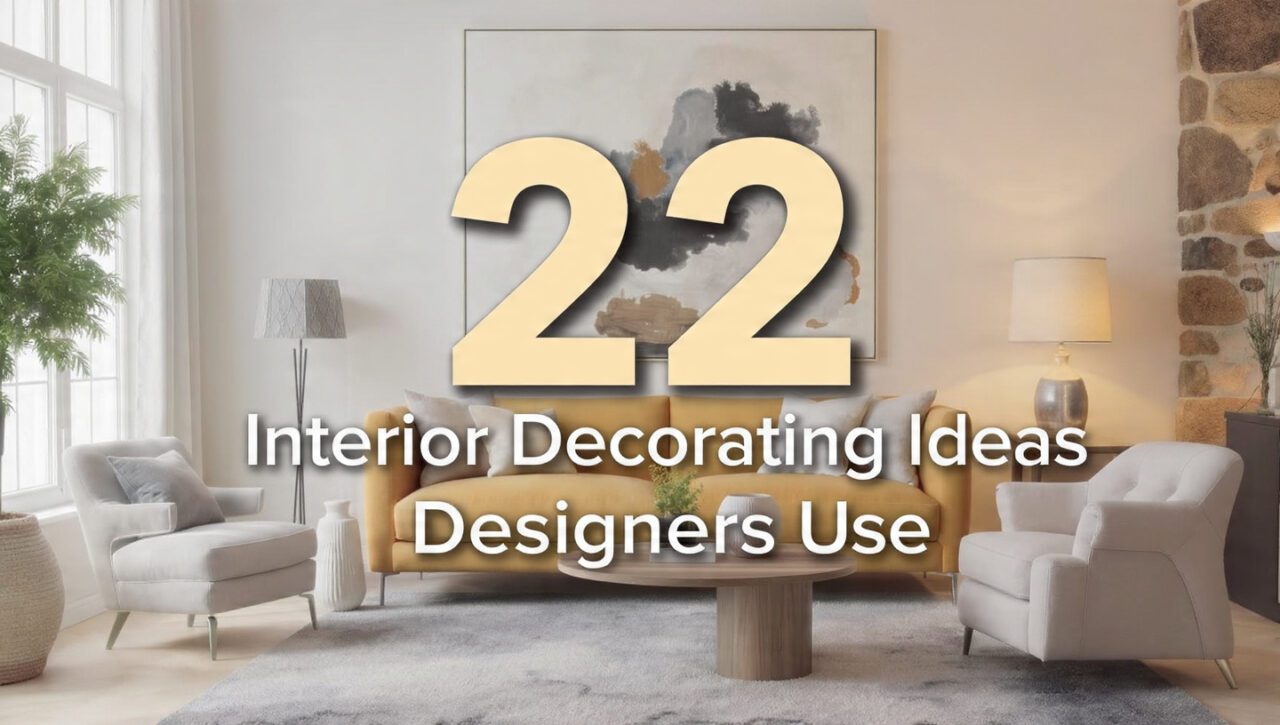
Professional interior designers don’t rely on random decor trends or guesswork when styling a home. They use proven decorating principles that make spaces feel balanced, functional, and visually appealing. These ideas work across different home sizes, budgets, and styles because they focus on fundamentals rather than fads. From lighting placement to texture layering, designers repeat certain techniques again and again for a reason. These 22 Interior Decorating Ideas Designers Actually Use will help you decorate your home with confidence and achieve a polished, high-end look without overcomplicating the process.
Table of Contents
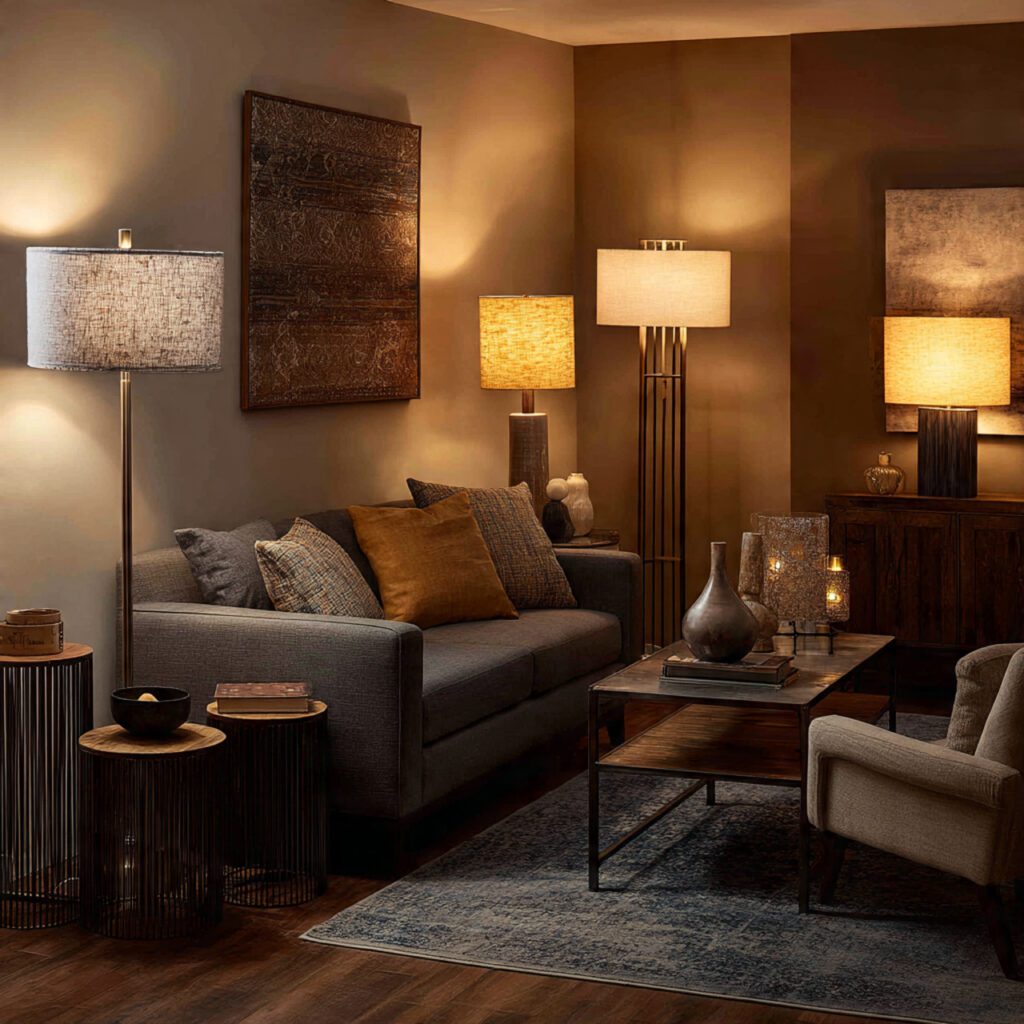
1. Layer Lighting Instead of Using One Source
Designers never rely on a single ceiling light to illuminate a room. They layer ambient, task, and accent lighting to create depth and warmth. Table lamps, floor lamps, and wall sconces work together to balance light throughout the space. This approach improves functionality and enhances mood. Layered lighting instantly makes a room feel professionally designed.
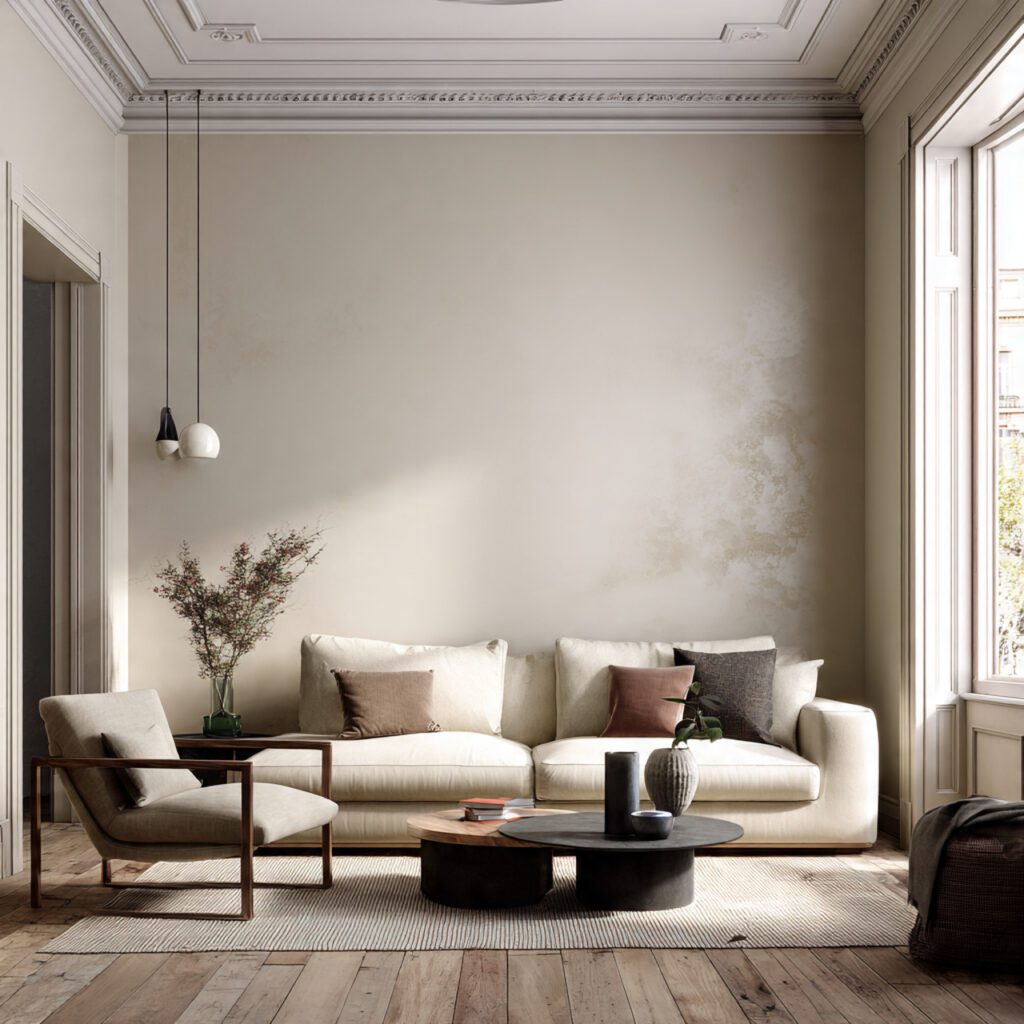
2. Start with a Neutral Base
Most designers begin with neutral walls and large furniture pieces. Neutral tones provide flexibility and allow decor to evolve over time. They also help rooms feel brighter and more cohesive. Pops of color are added later through accessories. This method prevents visual overwhelm and keeps spaces timeless.
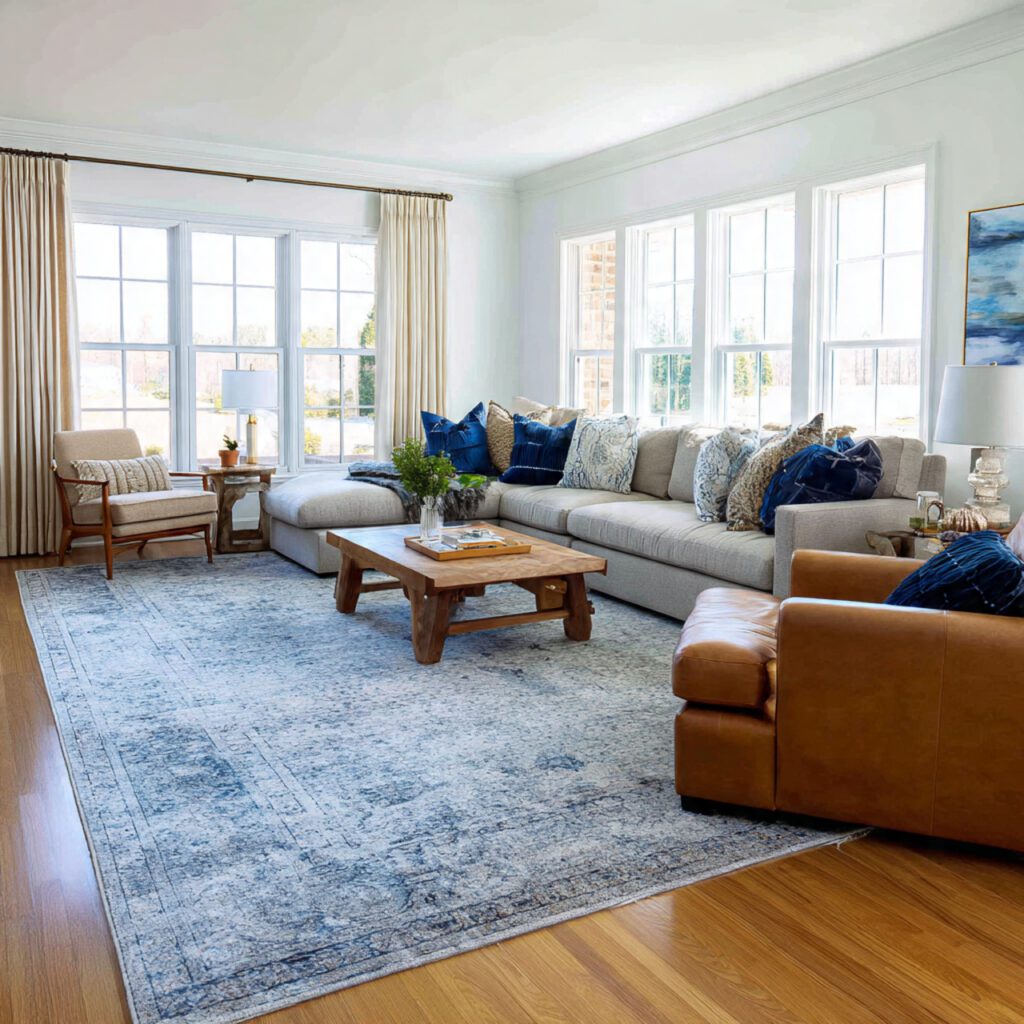
3. Use Oversized Rugs
Designers choose rugs that are larger than expected to anchor furniture properly. A too-small rug can make a room feel disconnected. Oversized rugs unify seating areas and visually expand the space. They also add comfort and texture underfoot. Proper rug sizing is a designer staple.
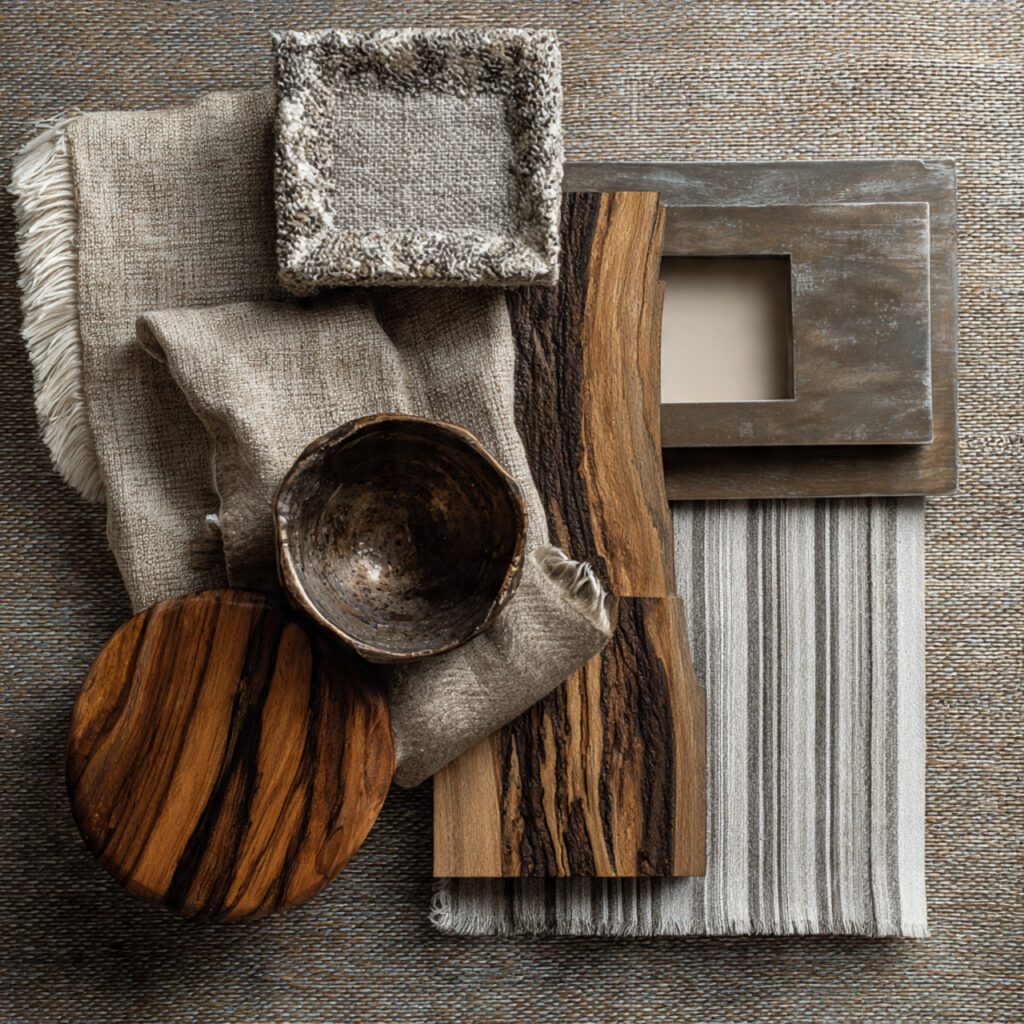
4. Mix Textures for Depth
Texture adds richness even in monochrome rooms. Designers mix materials like wood, metal, linen, leather, and glass to avoid flat interiors. Texture creates contrast without relying on bold colors. This technique works especially well in neutral spaces. Depth is key to designer-level decor.
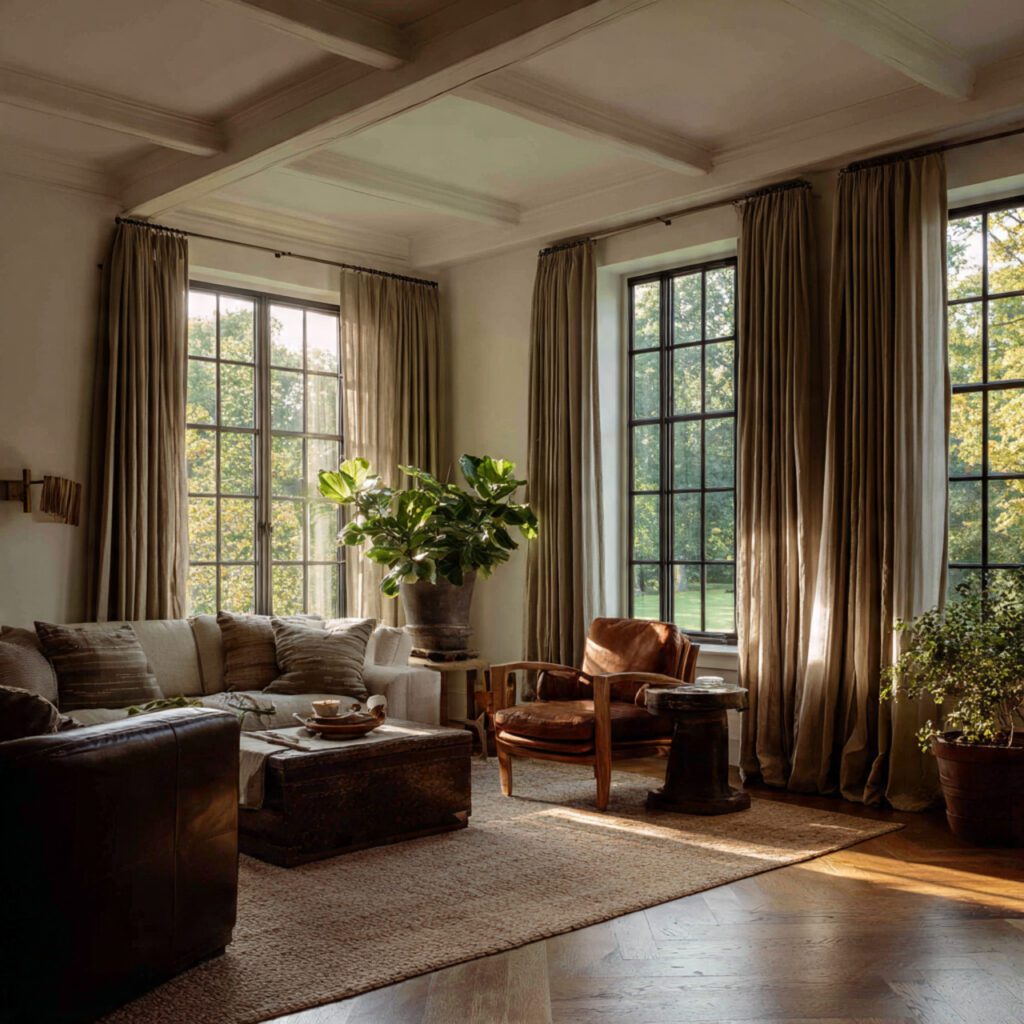
5. Hang Curtains High and Wide
Designers hang curtains close to the ceiling and extend them wider than the window frame. This trick makes windows appear larger and ceilings higher. Floor-length curtains add elegance and softness. The room instantly feels more refined. It’s a simple but powerful visual illusion.
6. Create Visual Balance
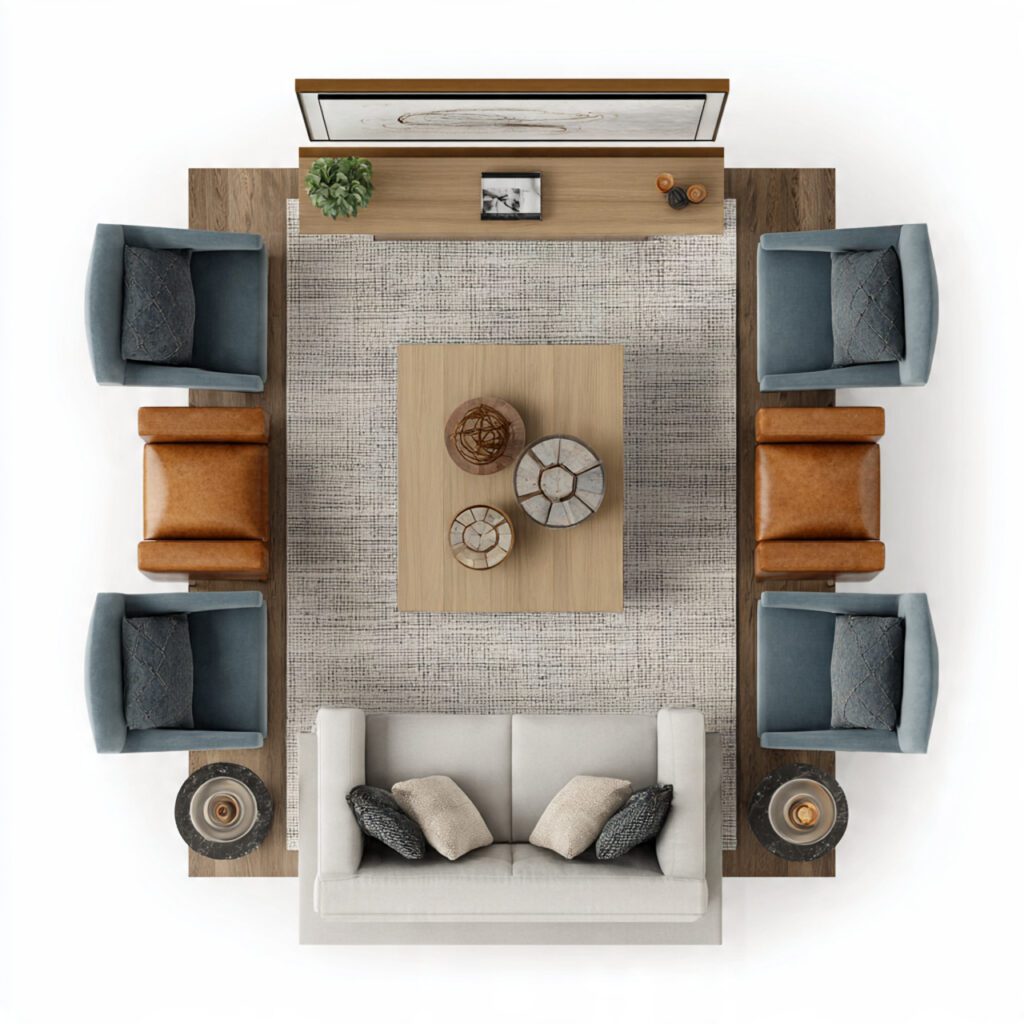
Balance is essential in interior design. Designers distribute furniture and decor evenly across a room to avoid heaviness on one side. Balance can be symmetrical or asymmetrical depending on style. Well-balanced rooms feel calm and intentional. This principle applies to every space.
7. Use Mirrors Strategically
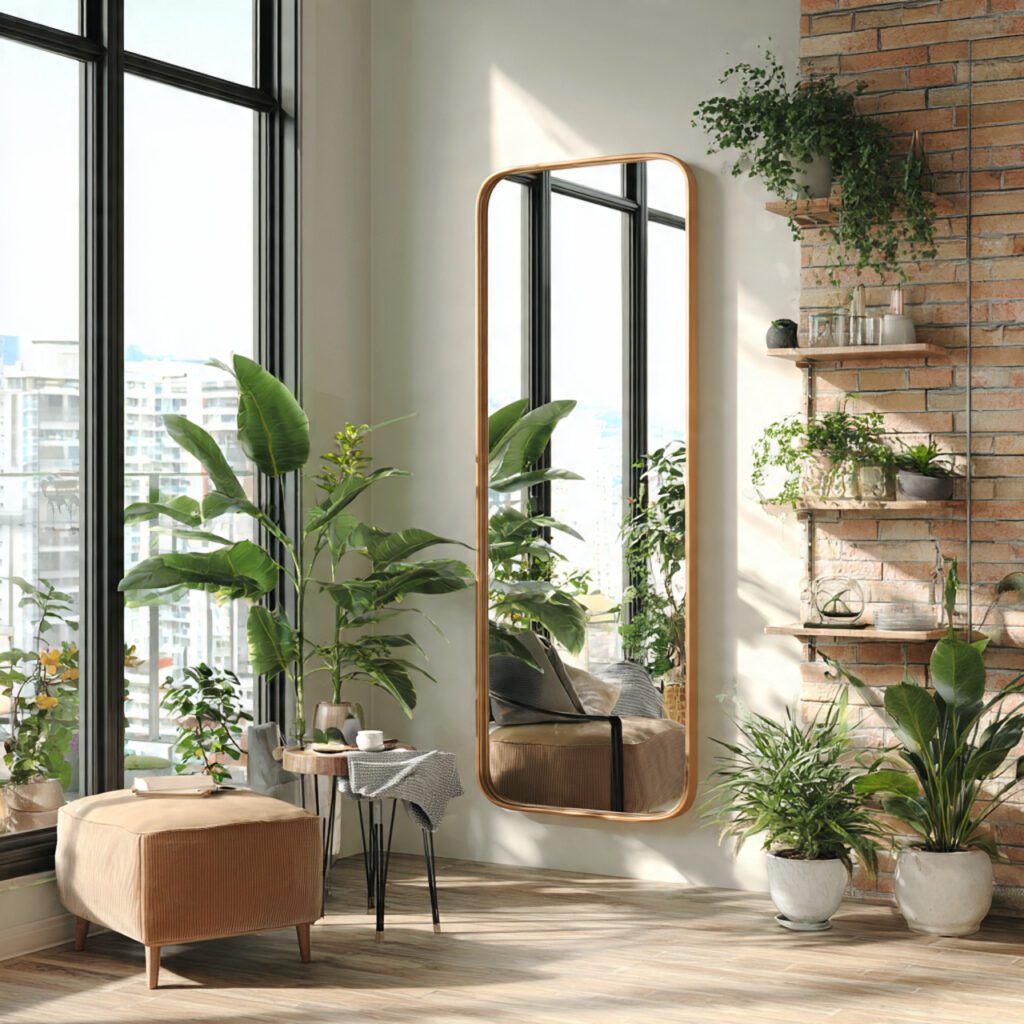
Mirrors are used to reflect light and enhance space. Designers often place mirrors opposite windows or light sources. Decorative mirrors also serve as statement pieces. They add brightness and openness without structural changes. Mirrors are both functional and decorative.
8. Edit Decor Regularly
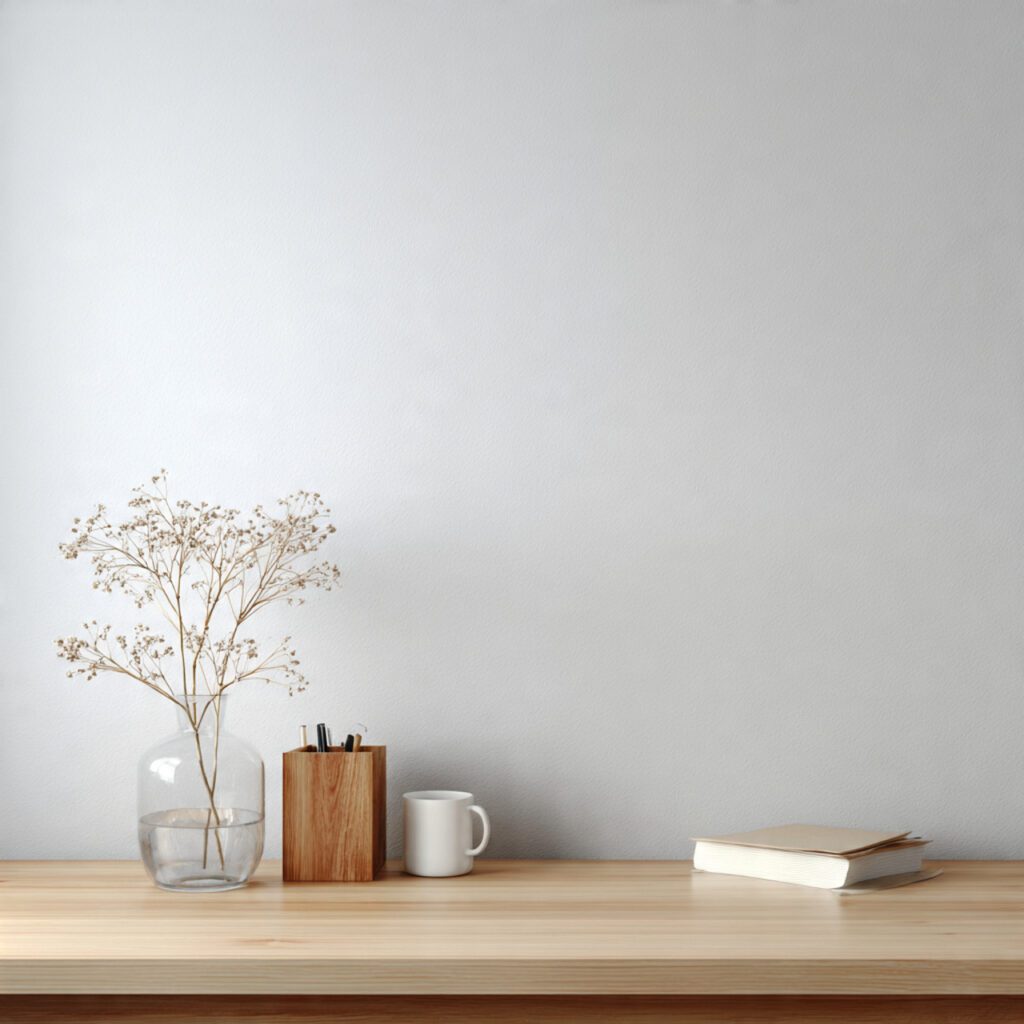
Designers constantly edit decor to avoid clutter. Not every surface needs decoration. Leaving negative space allows key pieces to stand out. Editing makes rooms feel cleaner and more sophisticated. Less truly looks more in professional interiors.
9. Choose Fewer, Better Accessories
Instead of many small decor items, designers select fewer high-quality pieces. Statement objects create impact without visual noise. Accessories are chosen for scale, texture, and relevance. This keeps decor intentional and elevated. Quality always wins over quantity.
10. Use Books as Styling Tools
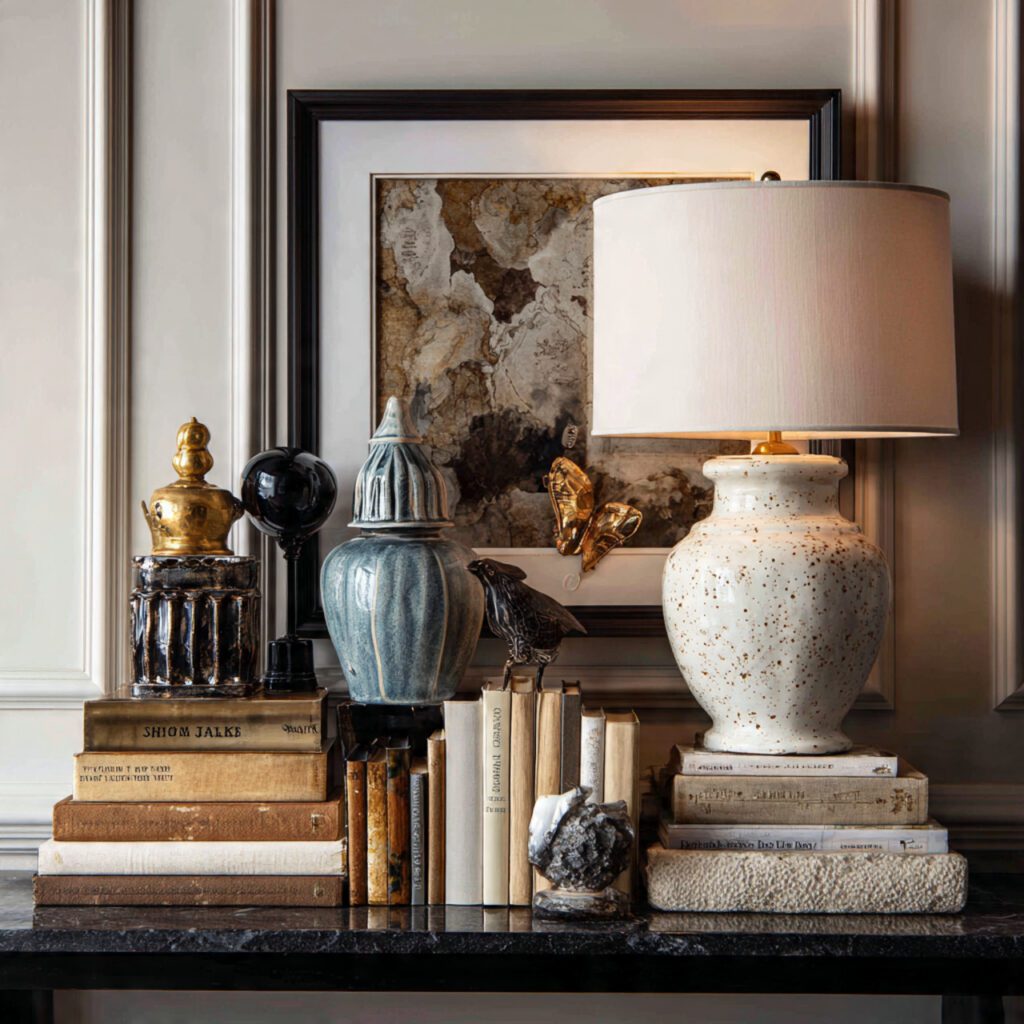
Designers use books to add height, color, and personality. Coffee table books and stacked hardcovers act as decor. Books also tell a story about the homeowner. They make spaces feel lived-in and curated. Styling with books is timeless.

11. Incorporate Natural Elements
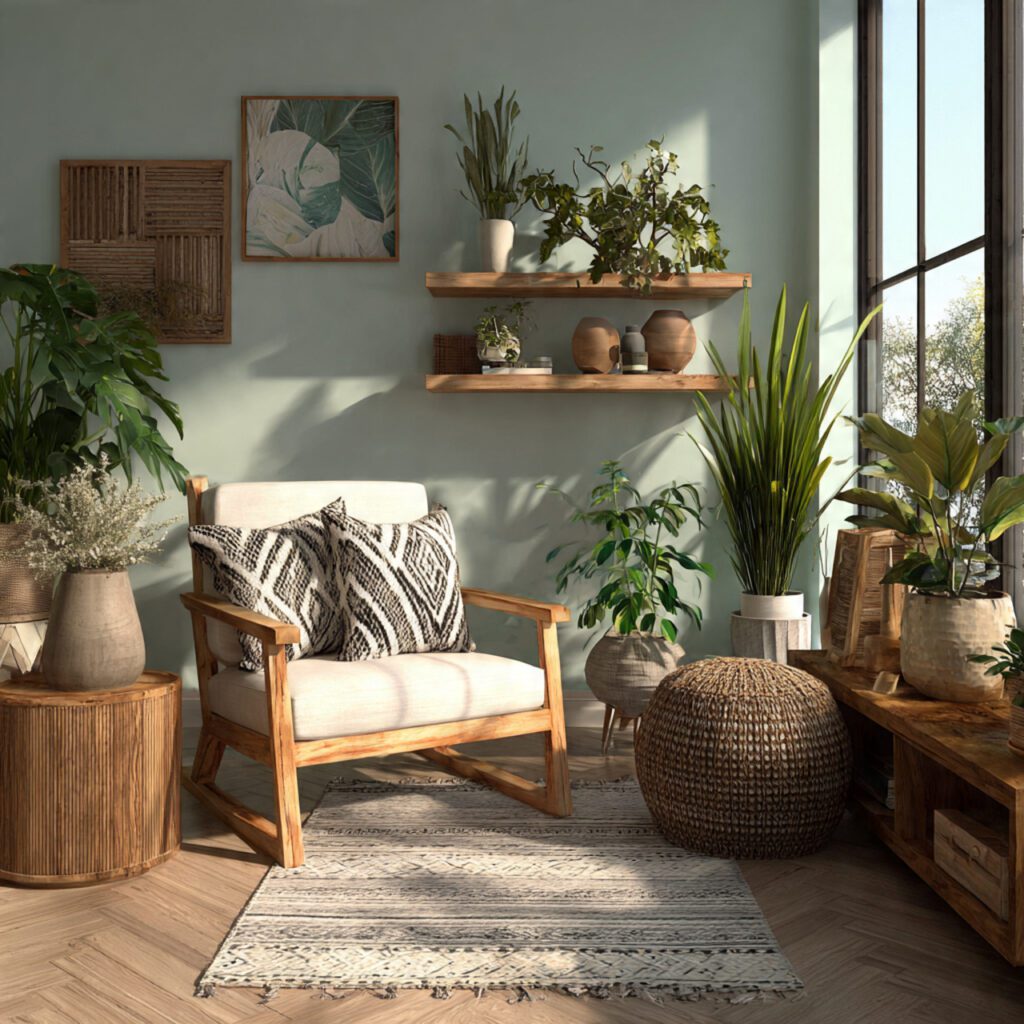
Natural materials ground a space and add warmth. Designers frequently use wood, stone, plants, and woven textures. These elements soften modern interiors and add organic contrast. Even faux greenery can work when styled thoughtfully. Nature never feels outdated.
12. Repeat Colors Throughout the Room
Designers repeat colors in different areas to create cohesion. A color seen in pillows might reappear in art or accessories. This repetition connects the room visually. It prevents random or disconnected decor. Cohesive color flow feels intentional.
13. Focus on Proper Scale
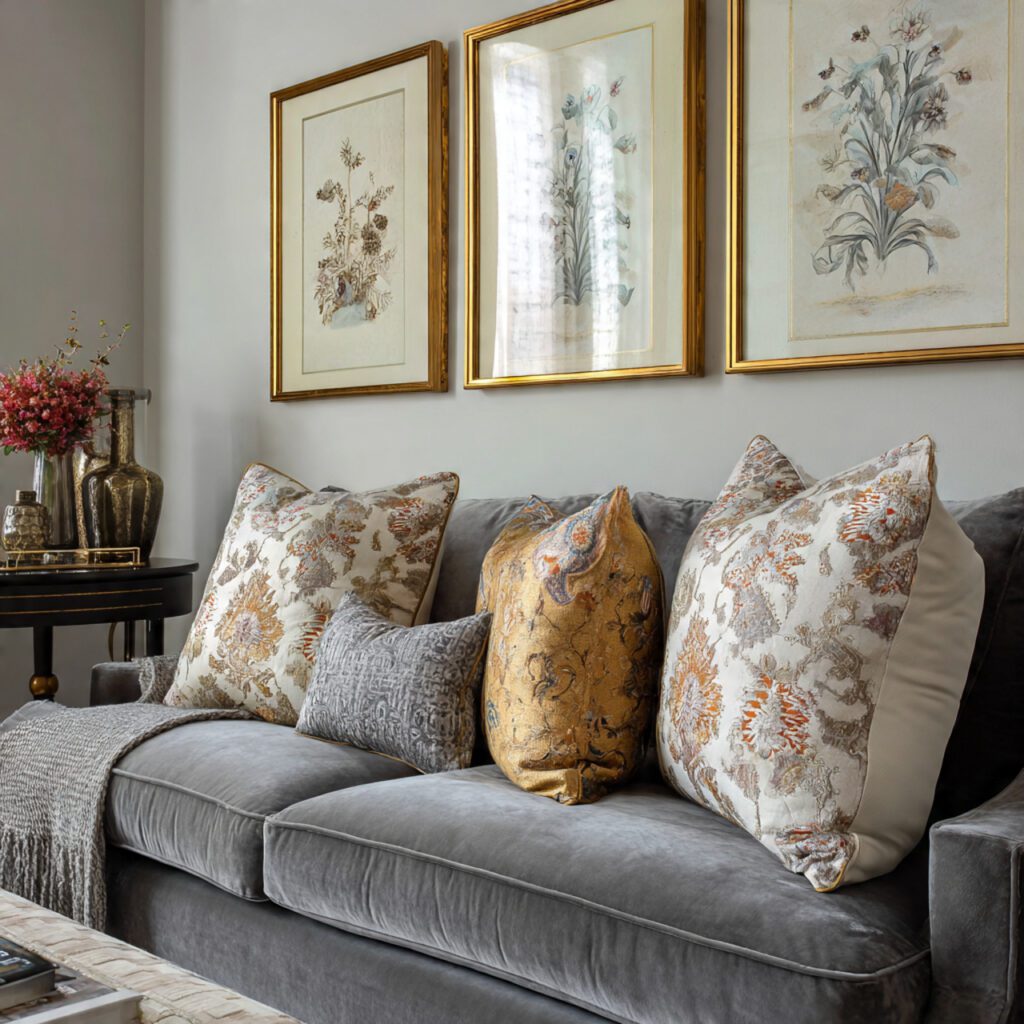
Scale is crucial in professional design. Furniture and decor should match the size of the room. Oversized pieces can overwhelm small spaces, while tiny decor gets lost in large rooms. Designers carefully consider proportions. Correct scale brings harmony.
14. Use Statement Lighting Fixtures
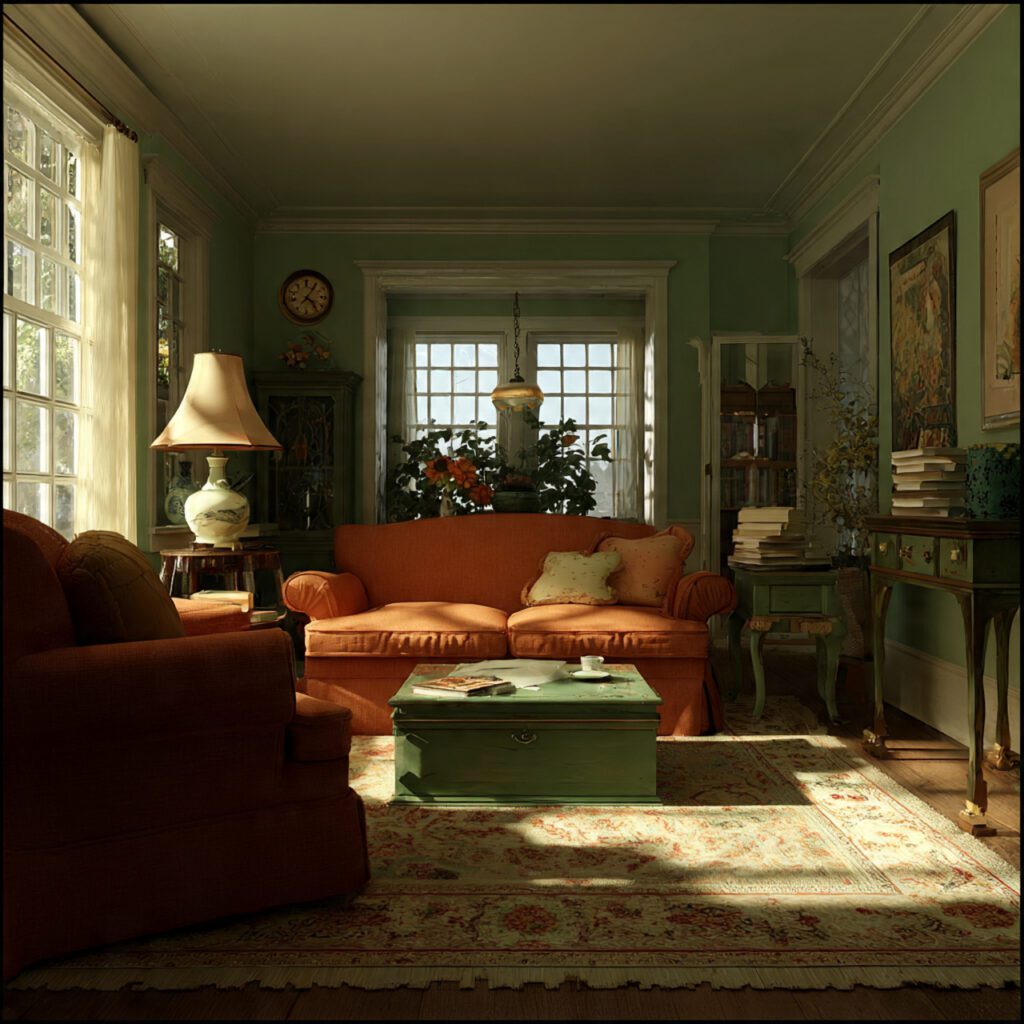
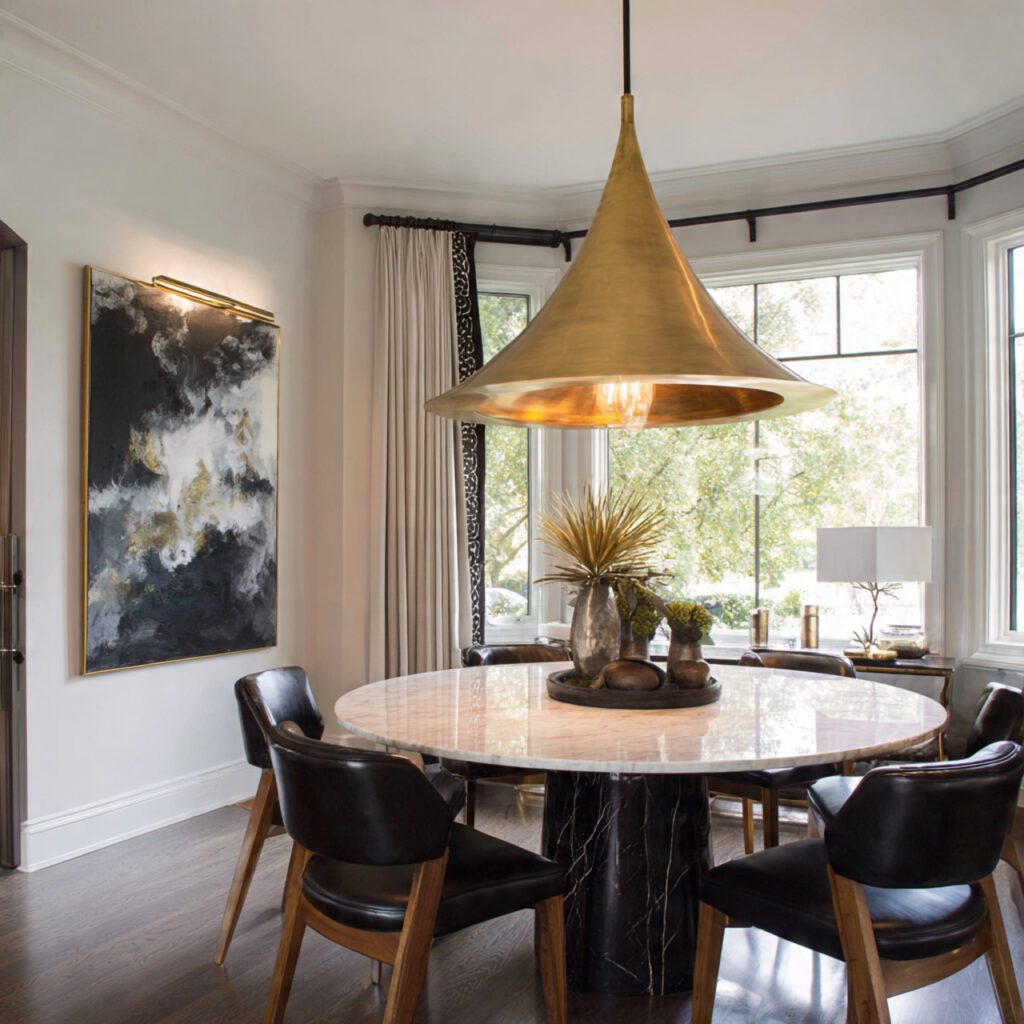
Lighting fixtures double as decor. Designers often choose chandeliers or pendants that act as focal points. Statement lighting adds personality and style instantly. It draws the eye upward and defines the room. Lighting is never an afterthought.
15. Style in Groups of Three
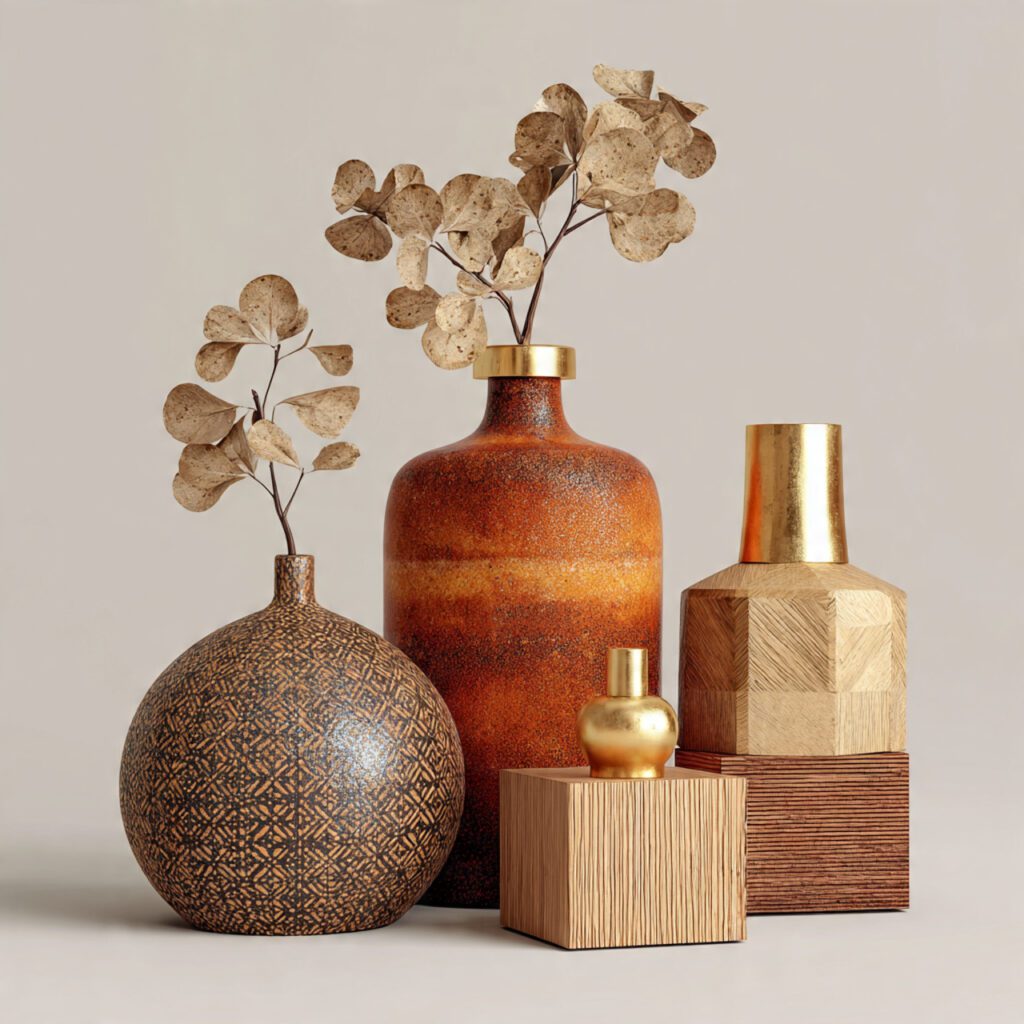
Designers frequently arrange decor in odd numbers, especially threes. This creates visual interest and balance. Groupings feel more natural and dynamic. Varying heights within the group adds dimension. This technique works on shelves and tables.
16. Add Texture Through Soft Furnishings
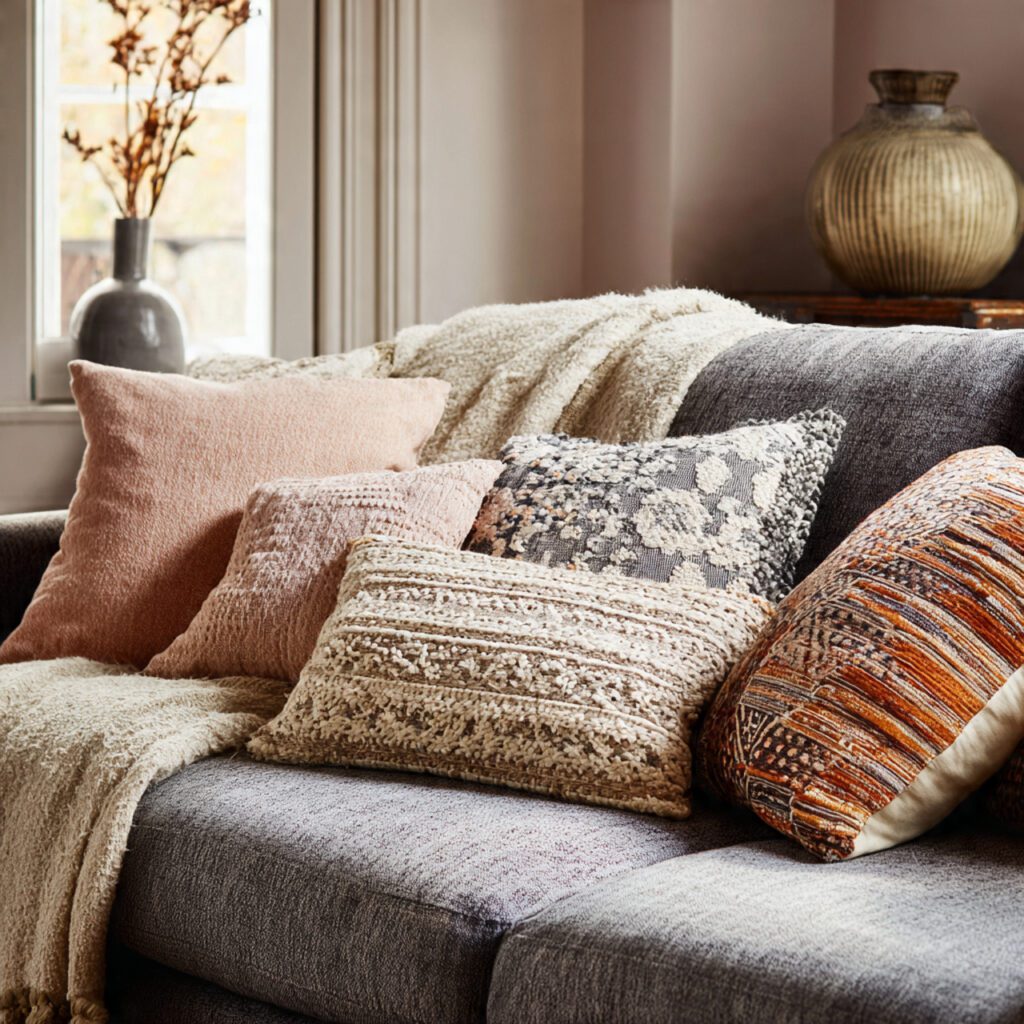
Soft furnishings like pillows, throws, and upholstery add comfort and style. Designers layer fabrics to enhance coziness. Texture prevents rooms from feeling sterile. Even minimal interiors benefit from softness. Comfort is part of good design.
17. Use Accent Furniture Thoughtfully
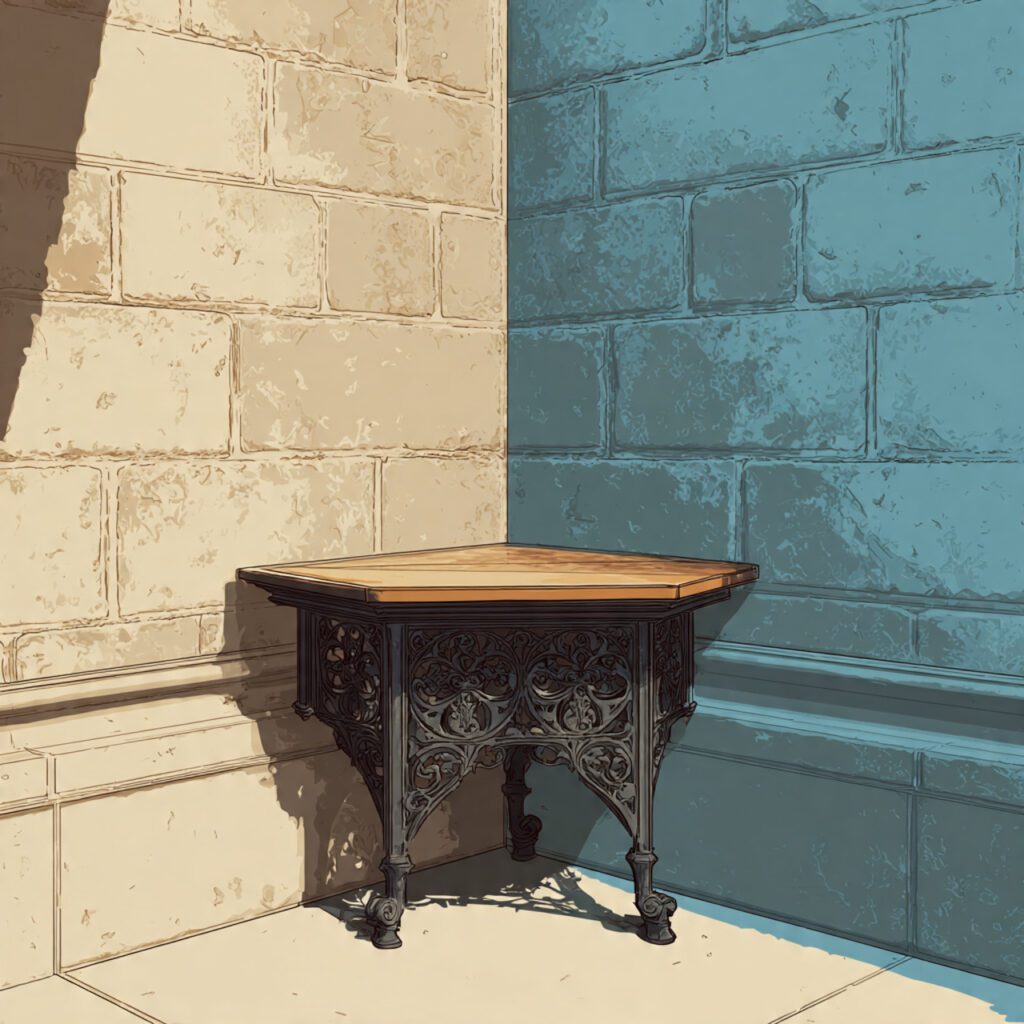
Accent furniture fills gaps without overcrowding. Designers use side tables, stools, and benches strategically. These pieces add function and visual interest. Accent furniture helps rooms feel complete. Small pieces can make big impacts.
18. Keep Sightlines Clear
Designers maintain clear pathways and sightlines. Furniture placement should allow easy movement. Cluttered layouts disrupt flow and comfort. Open sightlines make rooms feel larger. Good flow improves daily living.
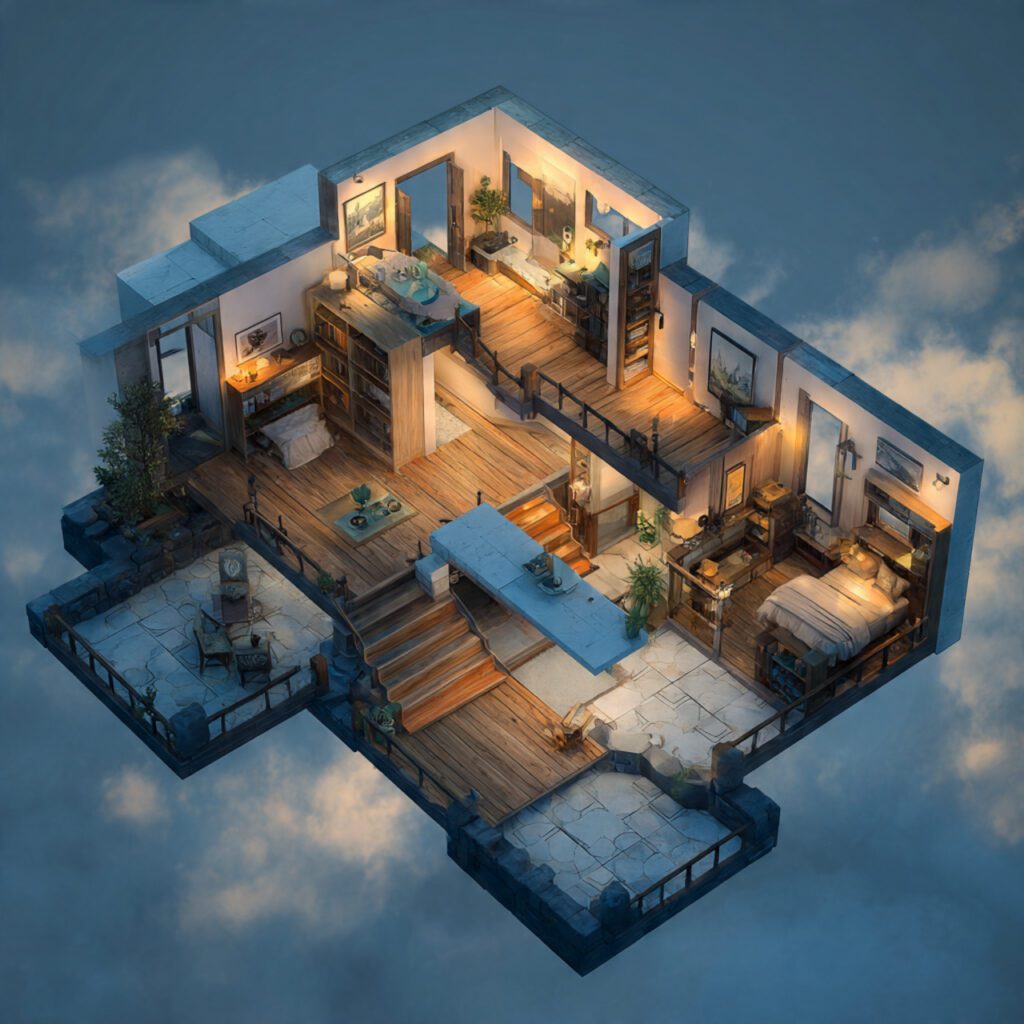
19. Personalize with Purpose
Personal decor is curated, not random. Designers encourage meaningful items displayed intentionally. Family photos, art, and souvenirs add authenticity. Over-displaying personal items can feel chaotic. Purposeful personalization adds warmth.
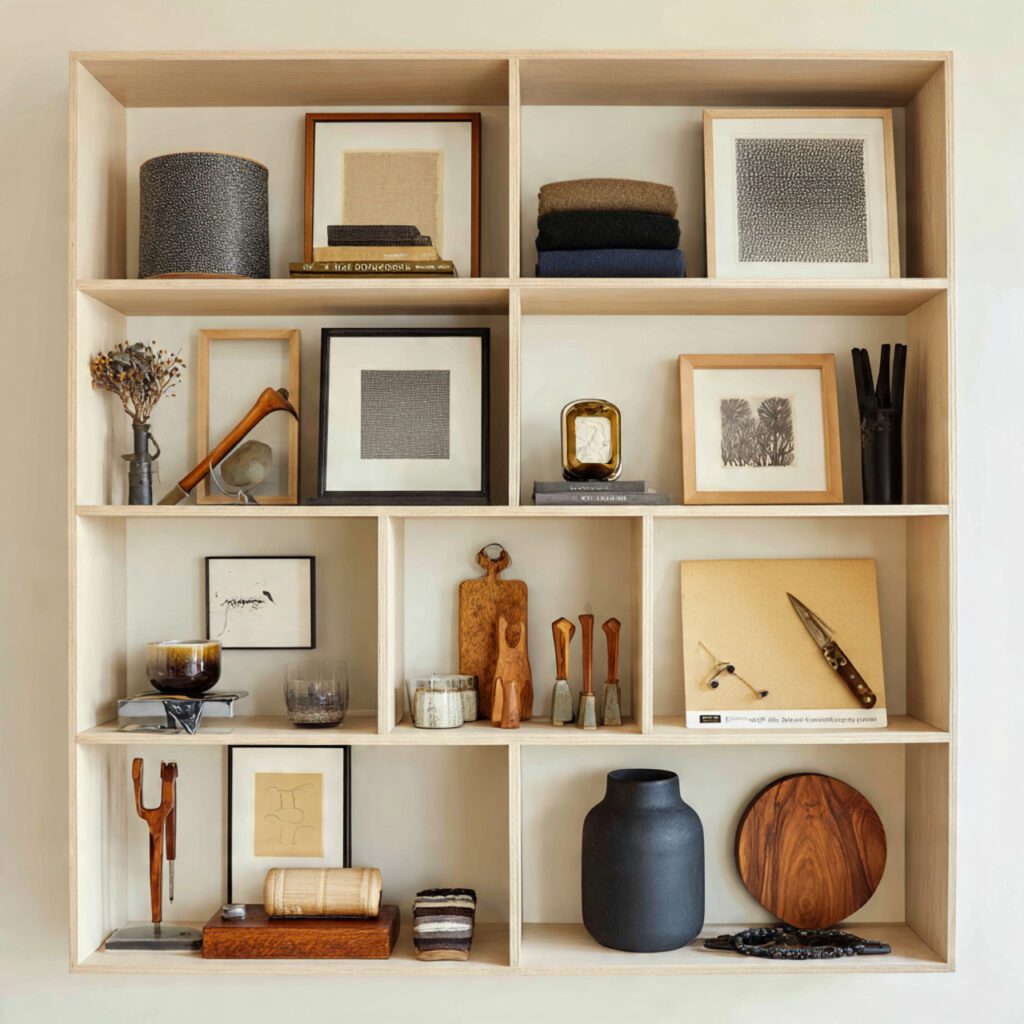
20. Use Art as a Focal Point
Designers often anchor rooms with art. Large artwork creates instant impact. Art defines the mood and style of a space. Placement and scale are carefully considered. Art elevates interiors instantly.
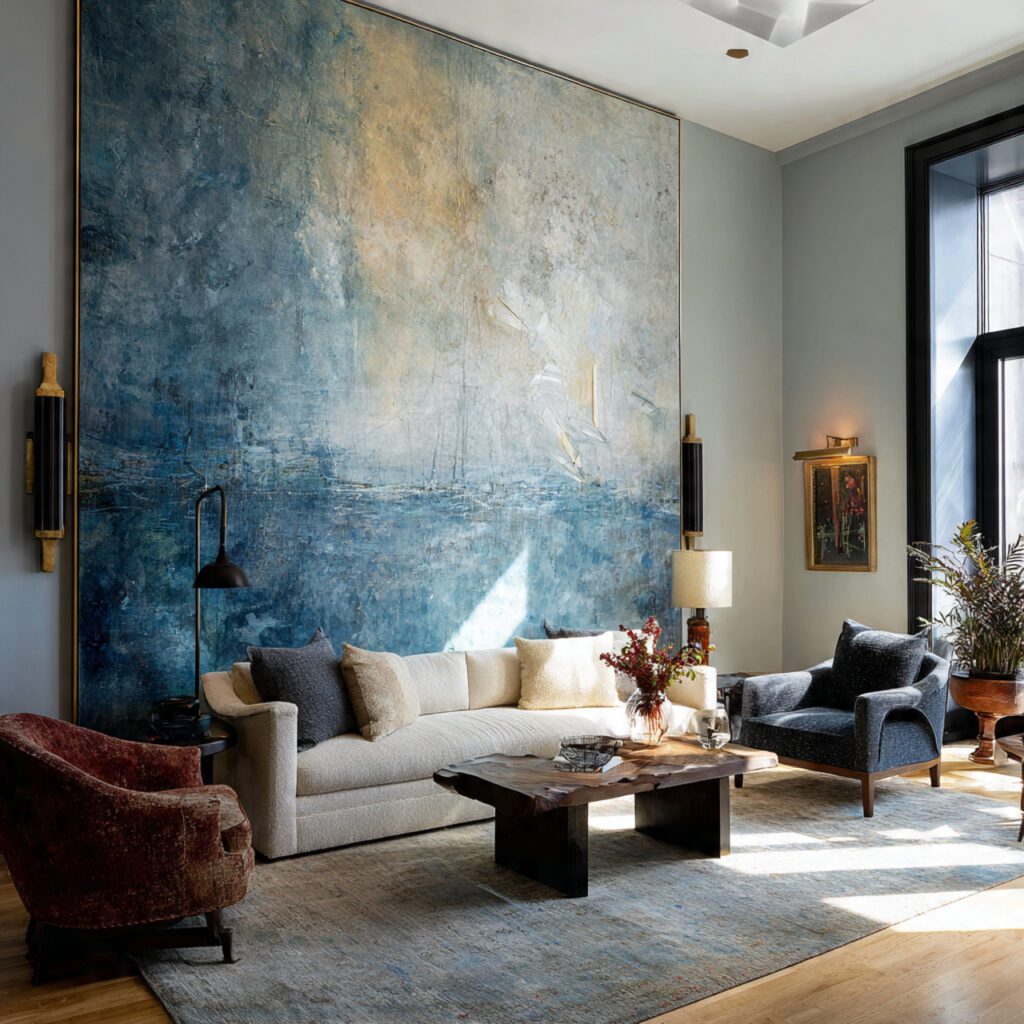
21. Pay Attention to Small Details
Details like hardware, trim, and finishes matter. Designers upgrade knobs, handles, and fixtures for cohesion. Small changes can modernize an entire room. Details tie everything together. They separate average from exceptional design.

22. Prioritize Function First
Designers always consider how a space will be used. Decor should enhance function, not block it. Beautiful rooms must also be livable. Function guides layout and furniture choices. A functional space always feels better.
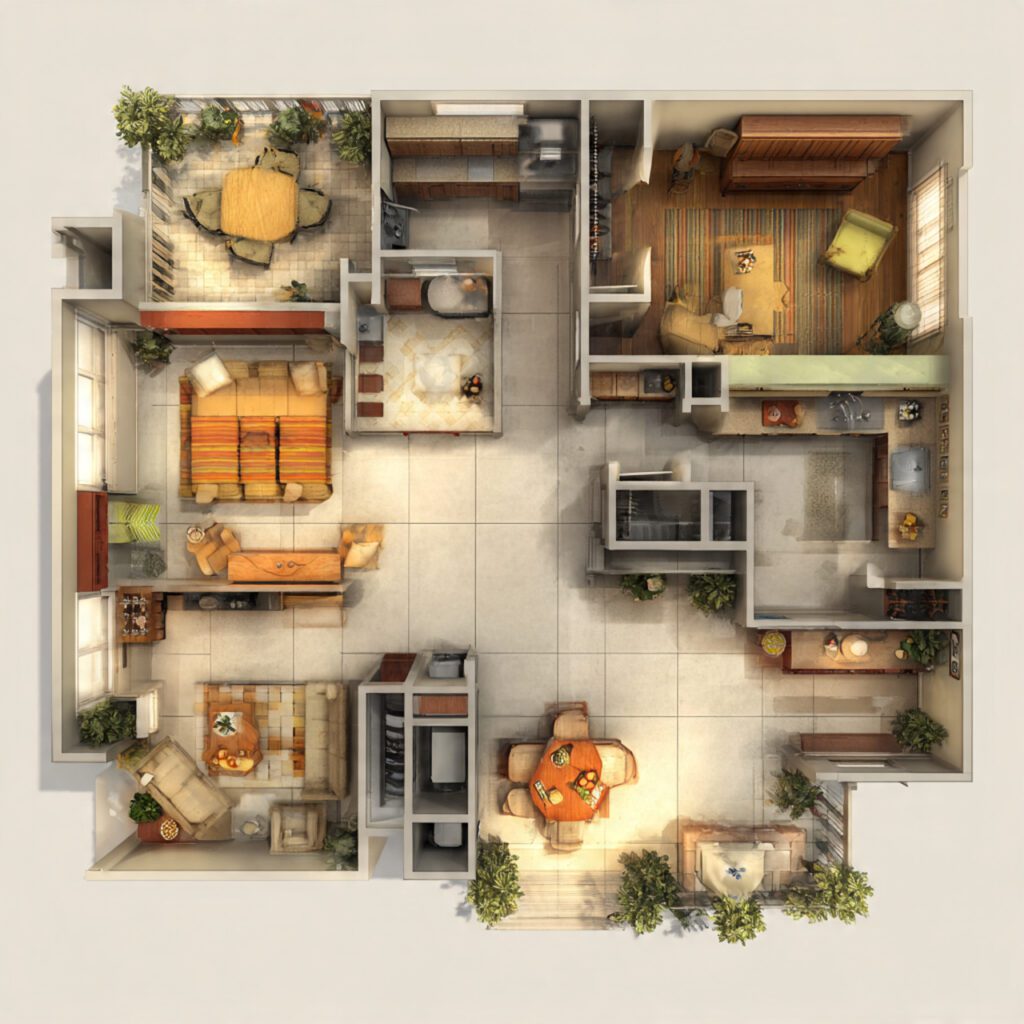
Why Designers Follow These Decorating Principles
Designers rely on proven techniques because they work consistently. These principles create balance, comfort, and beauty. They adapt easily to different styles and homes. Fundamentals never go out of fashion. Strong basics lead to lasting results.
- Proven design principles save time
- Fundamentals work across styles
- Balance improves comfort
- Intentional design feels timeless
How to Apply Designer Decorating Ideas at Home
You don’t need a professional to decorate like one. Start with lighting, scale, and neutral foundations. Build slowly and edit regularly. Focus on function before decoration. Small intentional changes create professional results.
- Begin with lighting upgrades
- Choose correct scale
- Edit clutter often
- Decorate with purpose
Conclusion
Professional interiors are built on intention, balance, and thoughtful choices. These 22 Interior Decorating Ideas Designers Actually Use show that great design isn’t about expensive items, but smart decisions. By applying these principles, you can elevate every room in your home. Timeless decor always outperforms trends. Design with confidence and clarity.