13 Proven Tricks to Decorate a Minimalist Home
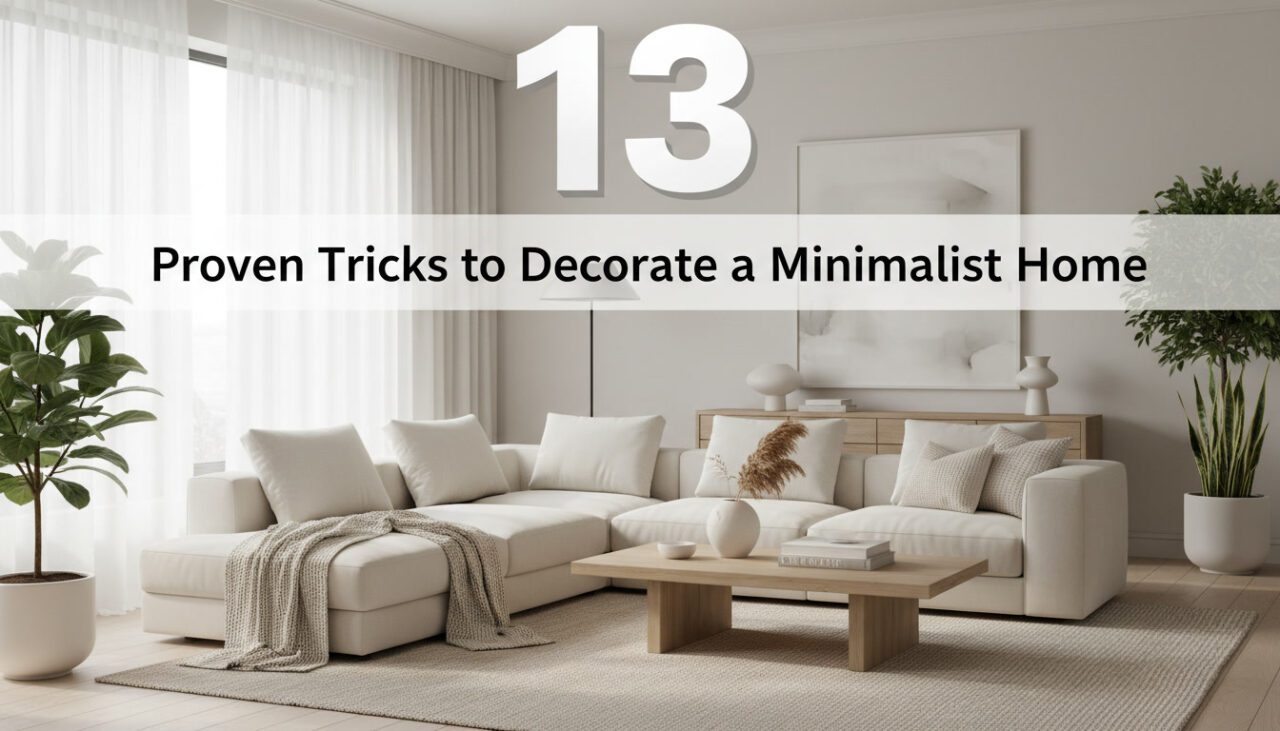
13 Proven Tricks to Decorate a Minimalist Home is all about creating a calm, clean, and intentional space without making your home feel cold or empty. Minimalist decorating focuses on simplicity, balance, and purpose rather than excess décor or constant trends. When done correctly, a minimalist home feels warm, functional, and visually peaceful. These ideas are designed for real homes and real lifestyles, helping you achieve a minimalist look that feels inviting and practical. Written with a Pinterest audience in mind, this guide focuses on timeless styling techniques that instantly elevate your home while keeping it clutter-free.
1. Start with a Neutral Color Palette
A minimalist home begins with a calm and neutral color palette. Shades like white, beige, soft gray, and warm taupe create a clean foundation that feels open and balanced. Neutral colors reflect light and make spaces feel larger and more peaceful. Designers rely on these tones because they allow the architecture and textures to stand out naturally. Using a consistent palette throughout your home creates visual flow and prevents rooms from feeling disconnected. You can still add warmth by choosing warmer undertones rather than stark whites.
2. Focus on Function Before Decoration
Minimalist decorating prioritizes function over excess decoration. Every item in your home should have a purpose, whether it is practical or meaningful. Designers carefully choose furniture and décor that serves a clear role in the space. This approach keeps rooms feeling intentional rather than crowded. When decorating, ask yourself if an item adds value to your daily life. Pinterest-style minimalist homes look effortless because they are designed around how people actually live.
3. Choose Clean and Simple Furniture
Furniture with clean lines and simple shapes is essential in a minimalist home. Avoid overly ornate details or bulky designs that visually weigh down a space. Low-profile sofas, streamlined tables, and sleek storage units keep rooms feeling open. Designers often choose furniture that blends into the space rather than dominates it. This allows the room to feel calm and balanced. Pinterest interiors that embrace minimalist furniture always feel timeless and easy to maintain.
4. Declutter Ruthlessly and Regularly
Decluttering is the foundation of minimalist decorating. Too many items create visual noise and disrupt the calm feeling of a space. Remove anything that does not serve a purpose or align with your style. Designers constantly edit spaces to maintain balance. A clutter-free room instantly feels larger and more refined. Pinterest audiences love minimalist homes because they show how powerful editing can be in transforming a space.
5. Use Texture to Add Warmth
Minimalist homes should never feel cold or boring. Texture is the key to adding warmth without clutter. Layer soft textiles like linen curtains, wool throws, cotton cushions, and woven rugs. Natural textures create visual interest while keeping the color palette simple. Designers rely on texture to make neutral spaces feel cozy and complete. Pinterest-friendly minimalist interiors often use texture instead of bold colors to create depth.
6. Keep Décor Intentional and Limited
Minimalist décor works best when it is intentional. Instead of filling shelves with many small objects, choose one or two meaningful pieces. A sculptural vase, simple artwork, or ceramic bowl can make a strong statement on its own. Designers believe that fewer items with impact are better than many items without purpose. Pinterest users are drawn to minimalist spaces because they feel curated rather than cluttered.
7. Let Natural Light Take Center Stage
Natural light plays a huge role in minimalist interiors. Bright, light-filled rooms feel open and calm. Avoid heavy curtains or furniture that blocks windows. Use sheer or light-filtering window treatments to allow sunlight to flow through the space. Designers treat light as part of the design, not just a feature. Pinterest-style minimalist homes often feel fresh and airy because natural light is allowed to shine.
8. Add Natural Materials
Natural materials bring warmth and authenticity to a minimalist home. Wood, stone, linen, and clay add texture and grounding energy. Even small touches like a wooden tray or stone vase can make a difference. Designers often use natural elements to soften modern minimalist spaces. Pinterest décor trends consistently highlight organic materials because they create balance and timeless appeal.
9. Keep Surfaces Clear and Styled
Clear surfaces are a key element of minimalist design. Coffee tables, countertops, and shelves should feel open and intentional. Designers often leave some space empty to let the eye rest. When styling surfaces, use simple groupings with space around them. This creates a calm and refined look. Pinterest users appreciate minimalist styling ideas because they are easy to recreate and maintain.
10. Use Smart Hidden Storage
Storage is essential in a minimalist home, but it should remain discreet. Closed cabinets, drawers, and storage benches help hide everyday items. Designers prefer hidden storage to maintain clean lines and visual calm. When everything has a place, clutter is easier to avoid. Pinterest homes often look effortlessly minimalist because storage solutions are thoughtfully integrated.
11. Stick to One Consistent Style
Consistency is crucial in minimalist decorating. Mixing too many styles can break the calm flow of a space. Choose one main style direction and repeat it throughout your home. Designers maintain cohesion by using similar colors, materials, and shapes in every room. Pinterest interiors that feel peaceful often stick closely to one design language.
12. Choose Art That Feels Calm
Artwork in a minimalist home should support the overall mood. Choose pieces with simple compositions, neutral colors, or abstract forms. Avoid overcrowding walls with too many frames. Designers often use one large artwork instead of many small ones. Pinterest-style minimalist homes use art as a subtle accent rather than a focal overload.
13. Edit Before Adding Anything New
Before buying new décor, remove something from the space. Editing helps maintain balance and prevents clutter from returning. Designers constantly refine interiors to keep them intentional. Minimalist homes evolve through careful choices rather than constant additions. Pinterest users love this approach because it encourages mindful decorating.
How to Decorate a Minimalist Home Successfully
Start by decluttering and defining a neutral color palette. Choose functional furniture with clean lines and add texture through natural materials. Focus on light, space, and balance rather than decoration. Style slowly and edit often to maintain simplicity. Decorating in layers helps prevent overdoing it and keeps the space intentional.
Why Minimalist Decorating Works
Minimalist decorating works because it reduces visual stress and creates calm environments. Clean spaces allow people to relax and focus. Designers use minimalist principles to make homes feel balanced and timeless. Pinterest audiences respond strongly to minimalist homes because they reflect clarity, simplicity, and modern living.
Tips to Maintain a Minimalist Home
Regularly declutter and reassess your belongings. Avoid impulse décor purchases. Stick to your color palette and style direction. Choose quality over quantity. Clean surfaces daily to maintain visual calm. These habits help your minimalist home stay beautiful and functional over time.
Final Thoughts
These 13 Proven Tricks to Decorate a Minimalist Home prove that minimalism is not about emptiness but about intention. By focusing on simplicity, texture, light, and balance, you can create a home that feels calm, warm, and stylish. A minimalist home supports peaceful living and timeless design while remaining practical for everyday life.