16 Proven Tips to Create a Warm and Cozy Home

Creating a warm and cozy home is not about filling your space with expensive furniture or following every trend. True comfort comes from thoughtful design choices that make your home feel inviting, calm, and personal. A cozy home welcomes you at the end of a long day and makes guests feel relaxed the moment they walk in. These 16 proven tips to create a warm and cozy home focus on simple, practical ideas that work in any home, whether large or small. Written for a Pinterest audience, this guide blends comfort with style so your space feels lived-in, balanced, and beautifully put together.
Table of Contents
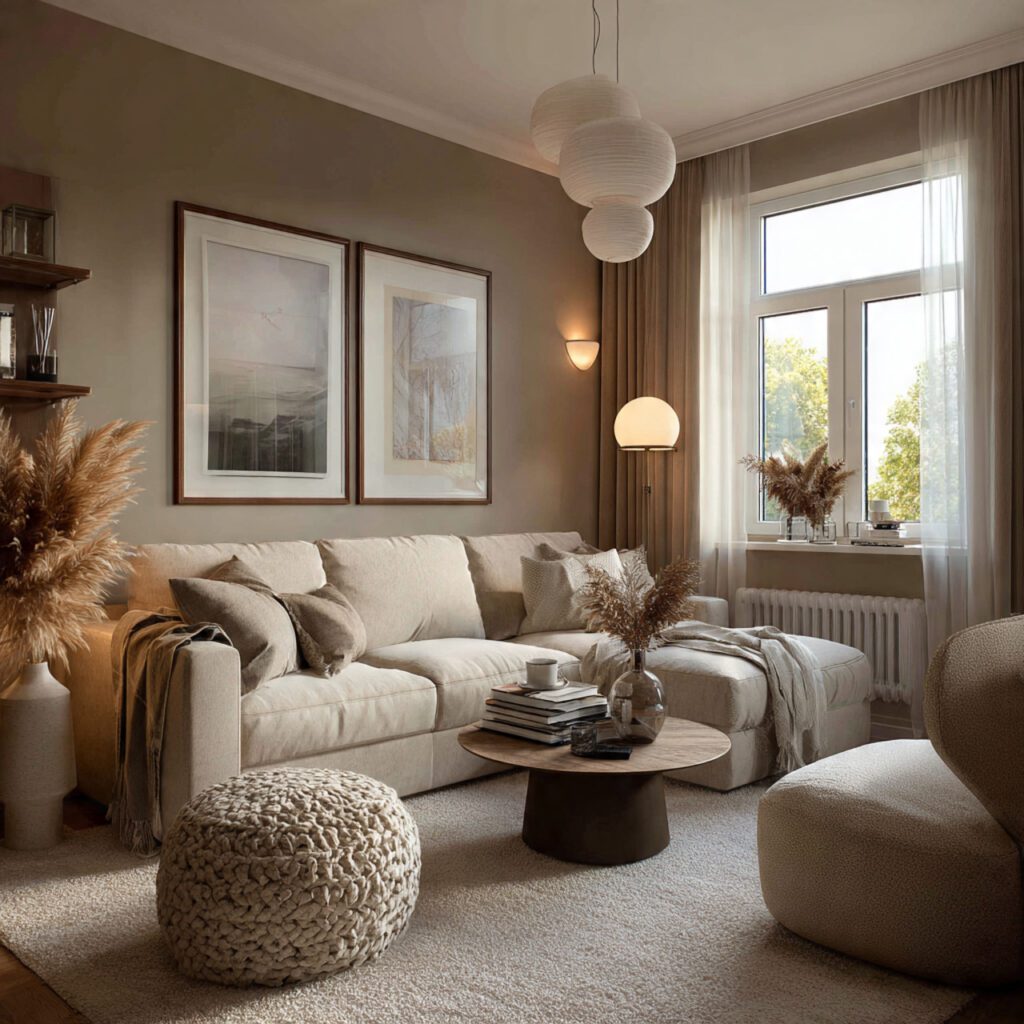
1. Use Warm Neutral Colors as Your Base
Warm neutral colors instantly create a cozy atmosphere. Shades like beige, cream, soft taupe, warm gray, and muted browns make rooms feel comfortable and grounded. Unlike stark whites or cool grays, warm neutrals soften the space and reflect light in a gentle way. Using these tones on walls, furniture, or large décor pieces helps create a calming foundation. Designers often rely on warm neutrals because they allow texture and layers to stand out without overwhelming the room. A consistent warm palette throughout the home also creates a sense of flow and harmony.
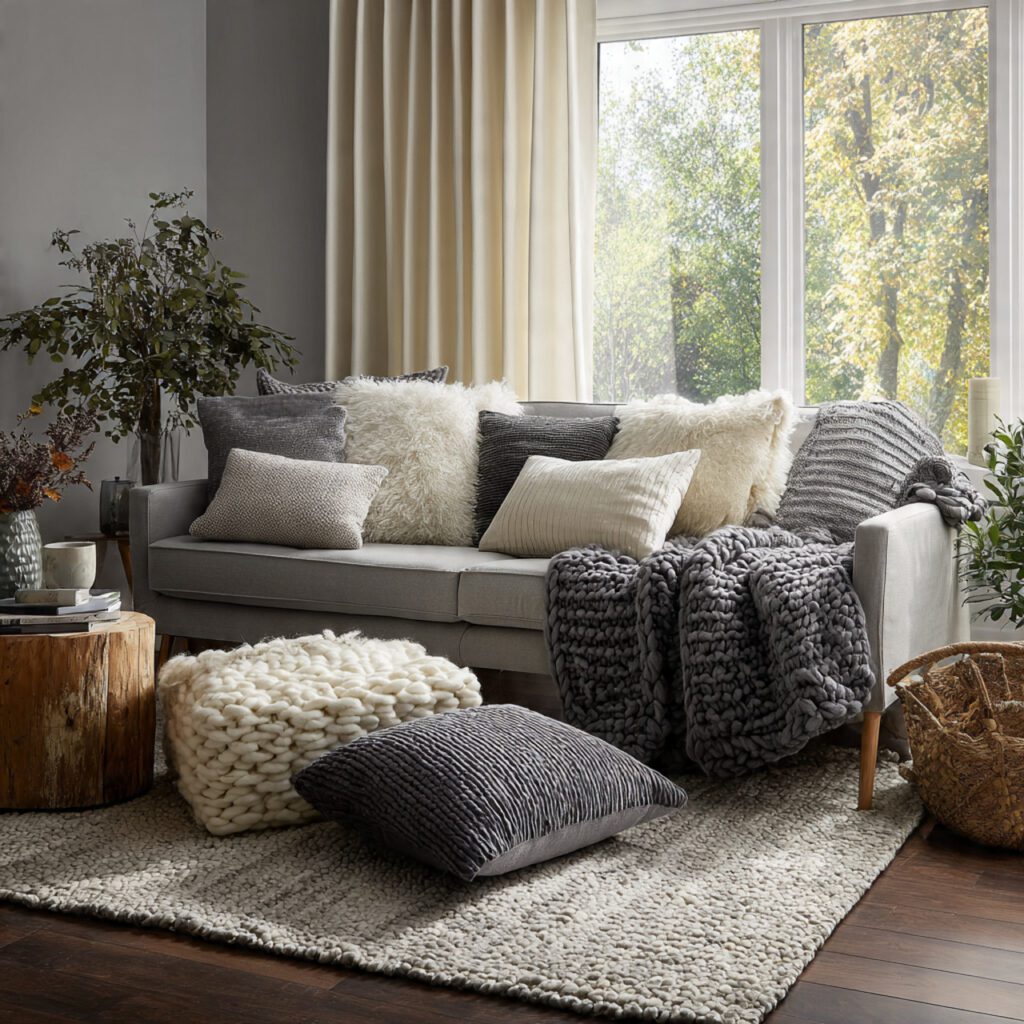
2. Layer Soft Textiles Everywhere
Textiles play a major role in making a home feel cozy. Adding layers of soft materials like throws, cushions, rugs, and curtains creates warmth both visually and physically. A sofa instantly feels more inviting with plush pillows and a textured blanket. Rugs add comfort underfoot and help define spaces, especially in open layouts. Designers use textiles to soften hard surfaces and add depth. Pinterest-style cozy homes often rely on layers rather than bold colors to create that warm, welcoming feel.
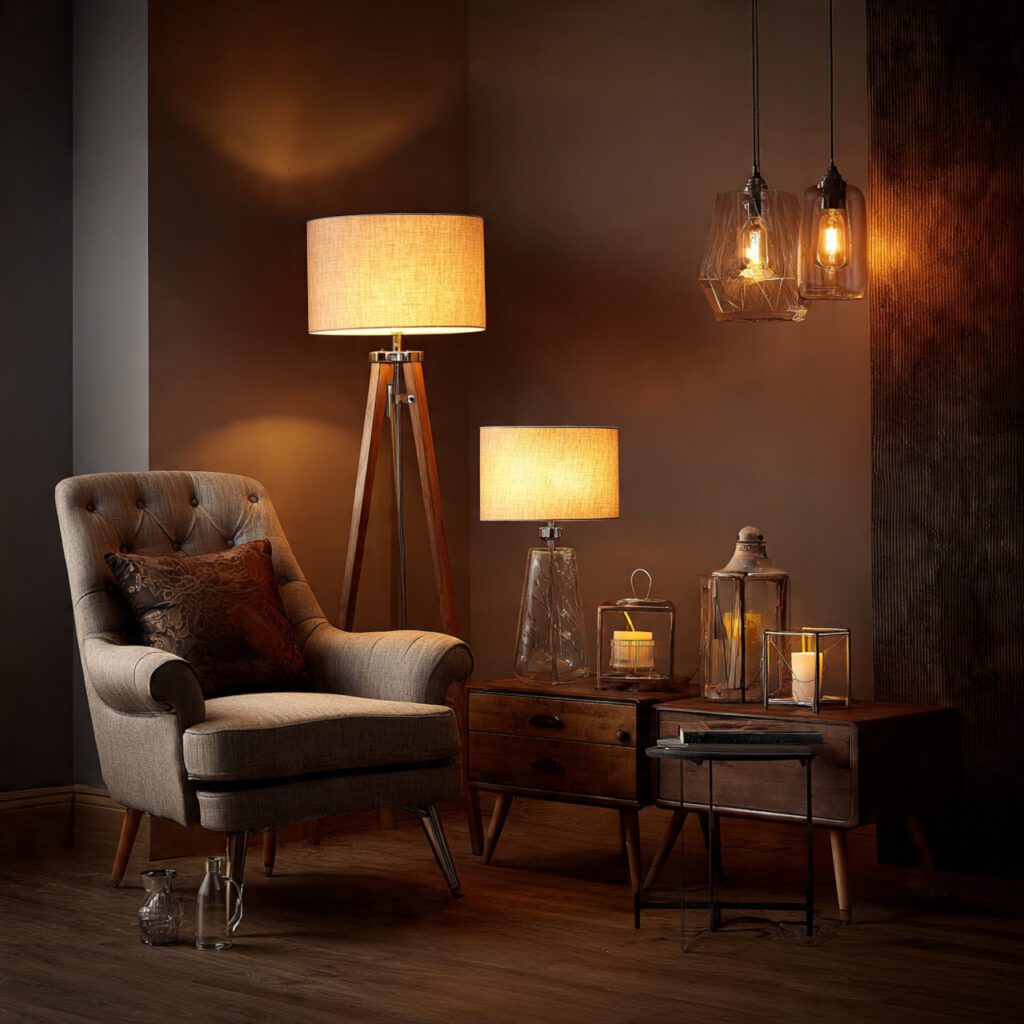
3. Choose Warm Lighting Over Bright White Light
Lighting has a huge impact on how cozy a home feels. Bright white or cool lighting can make spaces feel harsh and uninviting. Warm lighting creates a soft glow that instantly adds comfort. Use warm bulbs in lamps, ceiling lights, and accent lighting. Designers always layer lighting by combining table lamps, floor lamps, and ambient lights instead of relying only on overhead fixtures. A softly lit room feels calm and relaxing, making it perfect for unwinding.
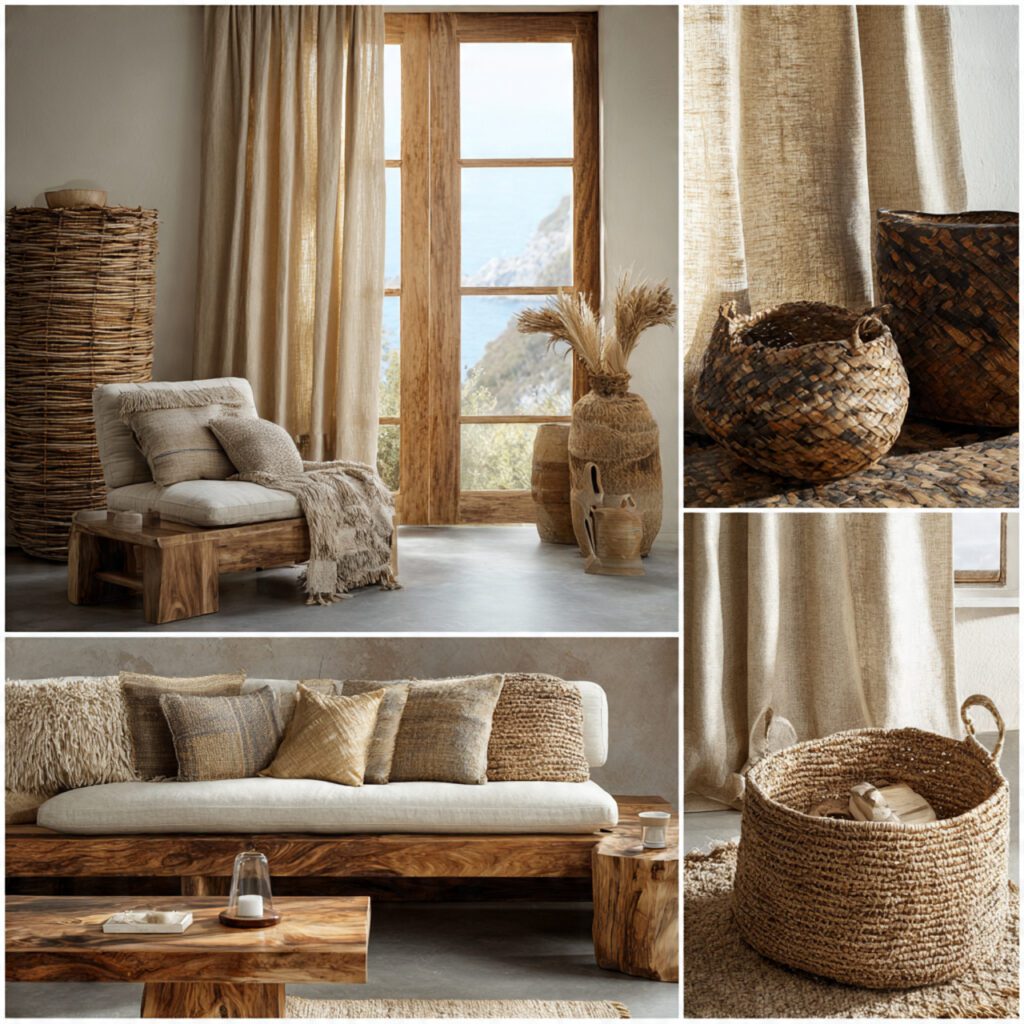
4. Add Natural Materials for Comfort
Natural materials bring warmth and authenticity into a space. Wood, linen, wool, leather, rattan, and stone all add texture and visual comfort. Even small touches like a wooden tray, woven basket, or linen curtains can make a room feel more grounded. Designers use natural materials to balance modern elements and make interiors feel lived-in. Pinterest users are consistently drawn to homes that include organic textures because they feel timeless and soothing.
5. Create Cozy Corners for Relaxing
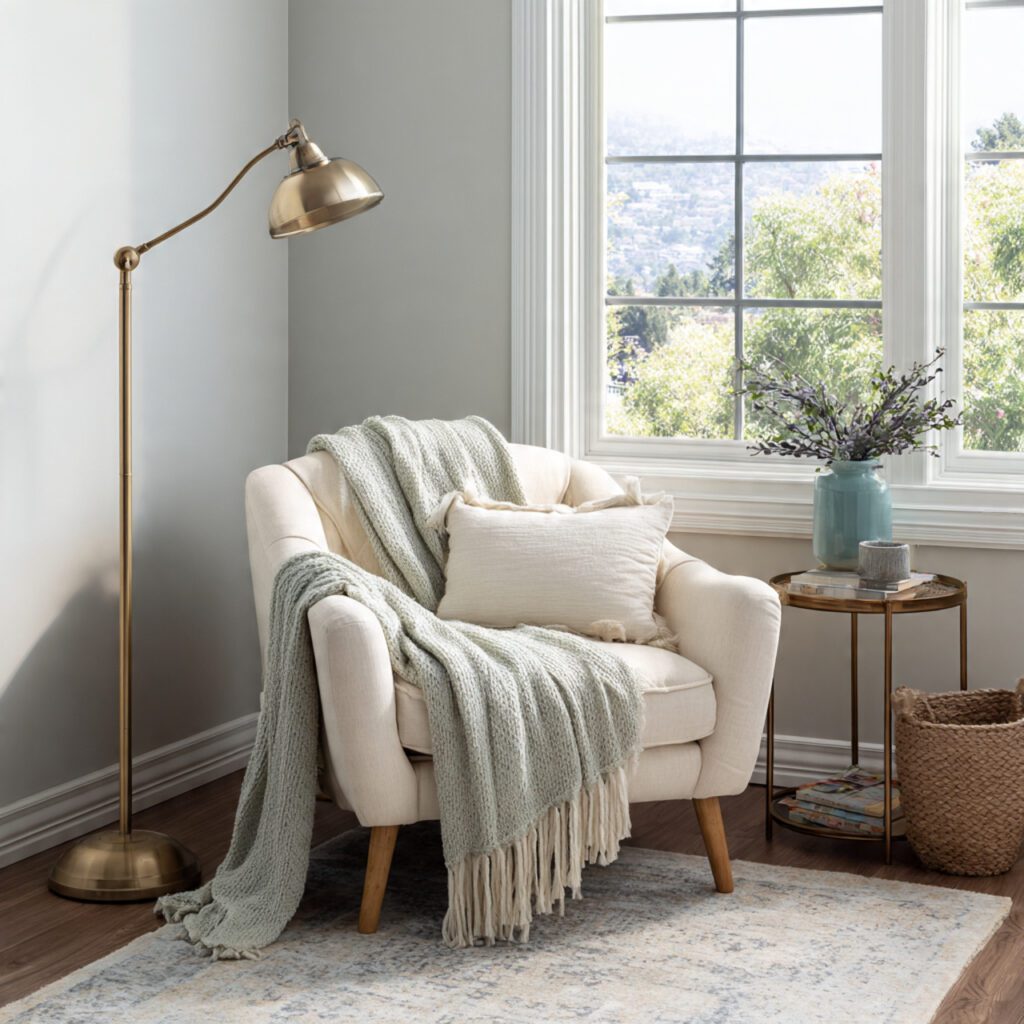
A cozy home includes spaces designed specifically for relaxation. Create a reading nook, window seat, or quiet corner with a comfortable chair, soft throw, and warm lighting. These small zones make your home feel thoughtful and personal. Designers often design spaces with intention, even in small homes. Pinterest-inspired interiors frequently feature cozy corners because they feel inviting and achievable.
6. Use Rugs to Add Warmth and Definition
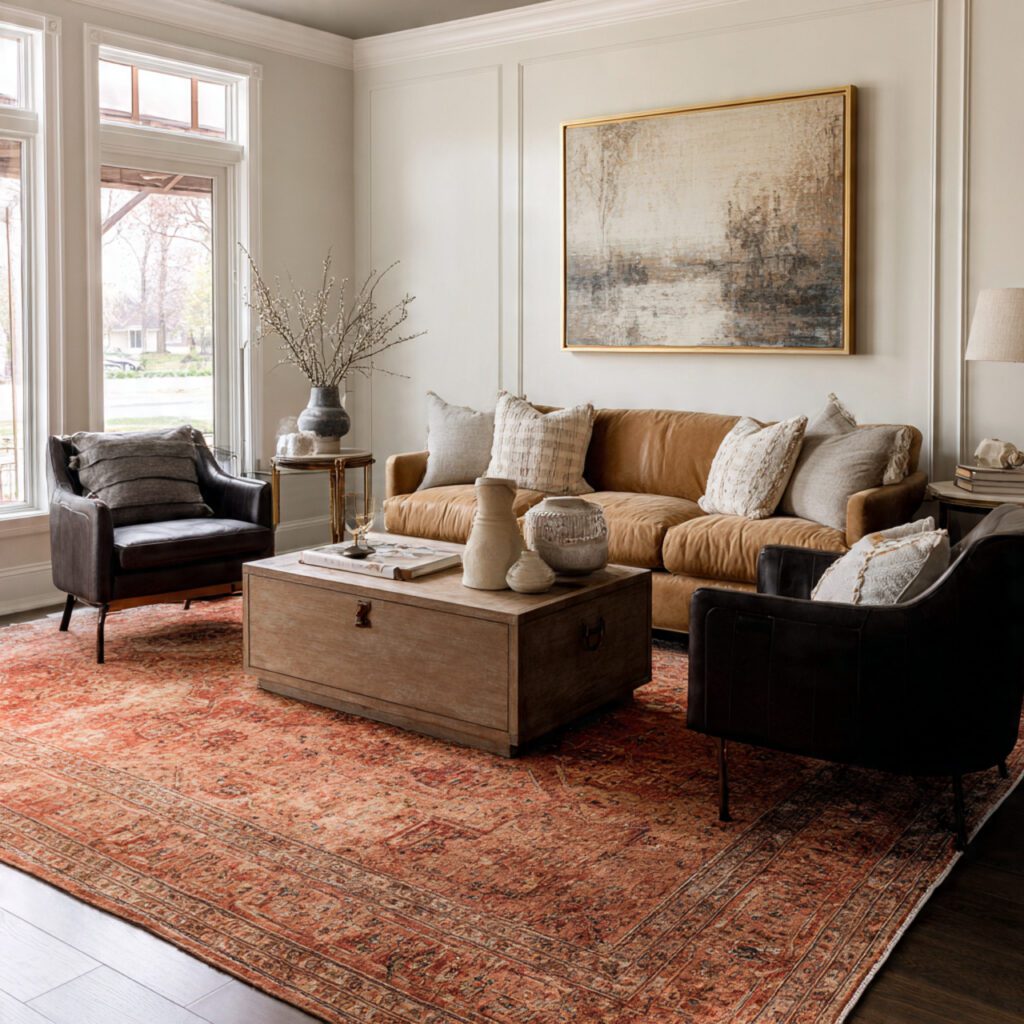
Rugs do more than decorate a room; they add warmth and comfort. A rug can soften hard floors and make a space feel more intimate. Choose rugs with warm tones or soft textures to enhance coziness. Make sure the rug fits the furniture properly to avoid making the room feel smaller. Designers use rugs to define areas and add layers. Cozy homes almost always include at least one well-chosen rug.
7. Keep Your Home Clutter-Free but Lived-In
A cozy home feels comfortable, not chaotic. Too much clutter can create stress and make a space feel crowded. Focus on keeping surfaces mostly clear while still allowing personality to show. Designers believe that editing is key to warmth because it allows meaningful items to stand out. Use baskets, cabinets, and drawers to hide everyday items. Pinterest homes often look cozy because they strike a balance between tidy and lived-in.

8. Incorporate Soft Window Treatments
Windows play a big role in the atmosphere of a room. Soft curtains or drapes add warmth and help control light. Choose fabrics like linen or cotton in neutral or warm tones. Hanging curtains higher than the window frame can make ceilings feel taller while still adding softness. Designers use window treatments to frame a room and make it feel complete. Cozy homes rarely leave windows bare unless the style is very minimal.

9. Add Candles and Ambient Light
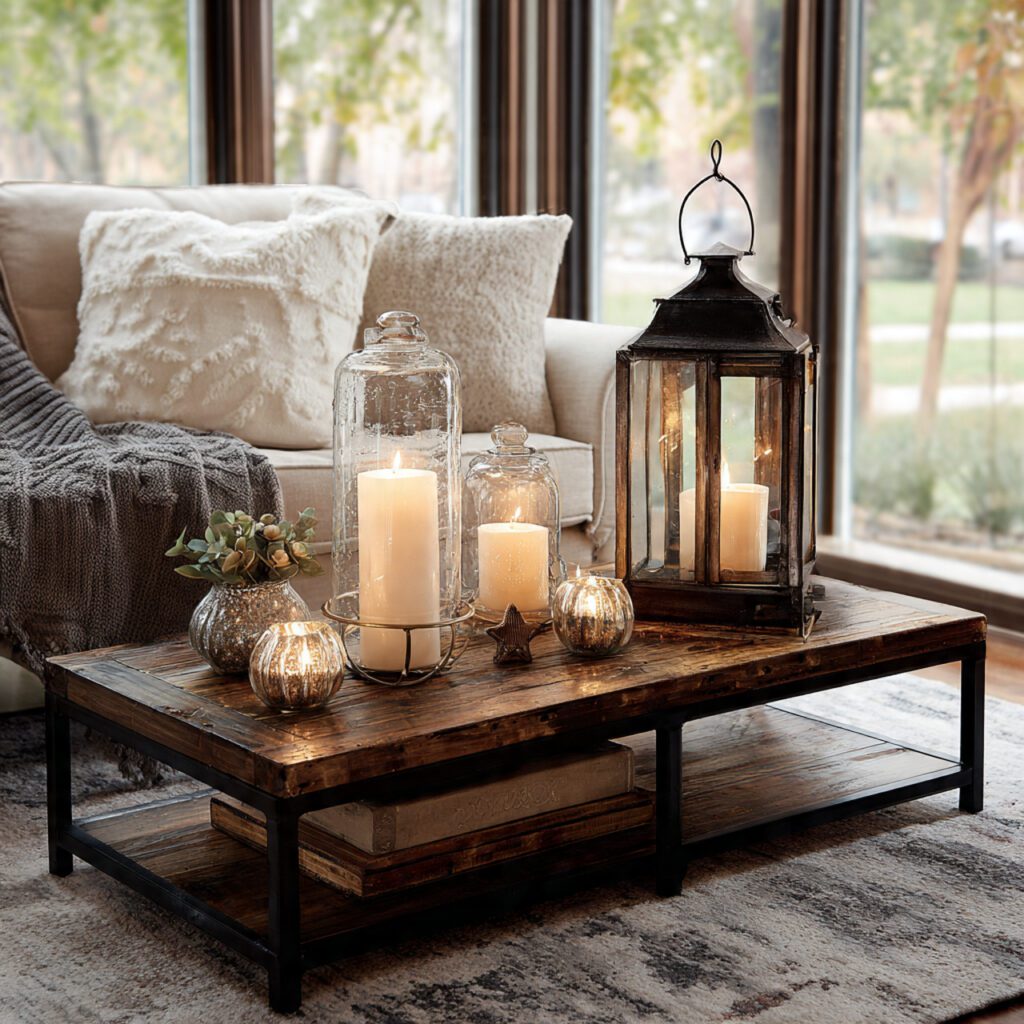
Candles and ambient lighting create instant warmth. The soft flicker of candlelight adds a calming effect that cannot be replicated by overhead lights. Use candles on coffee tables, shelves, or dining tables to create a cozy mood in the evening. If candles are not practical, use soft LED lights or lantern-style lamps. Designers often use ambient lighting to set the mood, especially in living rooms and bedrooms.
10. Use Warm Wood Tones
Wood adds natural warmth and character to any space. Warm wood tones, whether light or dark, help create a cozy foundation. Wooden furniture, floors, or accents make a room feel grounded and inviting. Mixing different wood tones can add depth as long as they share a similar warmth. Designers rely on wood to bring balance and timeless appeal. Pinterest interiors often feature visible wood elements because they feel comforting and natural.

11. Add Personal Touches Thoughtfully
A cozy home reflects the people who live there. Personal items like photos, books, travel souvenirs, or handmade décor make a space feel meaningful. The key is displaying these items intentionally rather than scattering them everywhere. Designers curate personal touches so they enhance the space instead of cluttering it. Pinterest audiences love homes that feel personal yet styled, making thoughtful displays essential.

12. Use Upholstered Furniture for Comfort
Upholstered furniture adds softness and warmth compared to hard surfaces. Sofas, armchairs, headboards, and benches with fabric finishes feel more inviting. Choose fabrics that feel good to the touch, such as cotton, linen, or velvet. Designers often mix upholstered pieces with wood or metal to create balance. Cozy homes almost always include comfortable seating that encourages relaxation.
13. Bring in Greenery and Natural Life
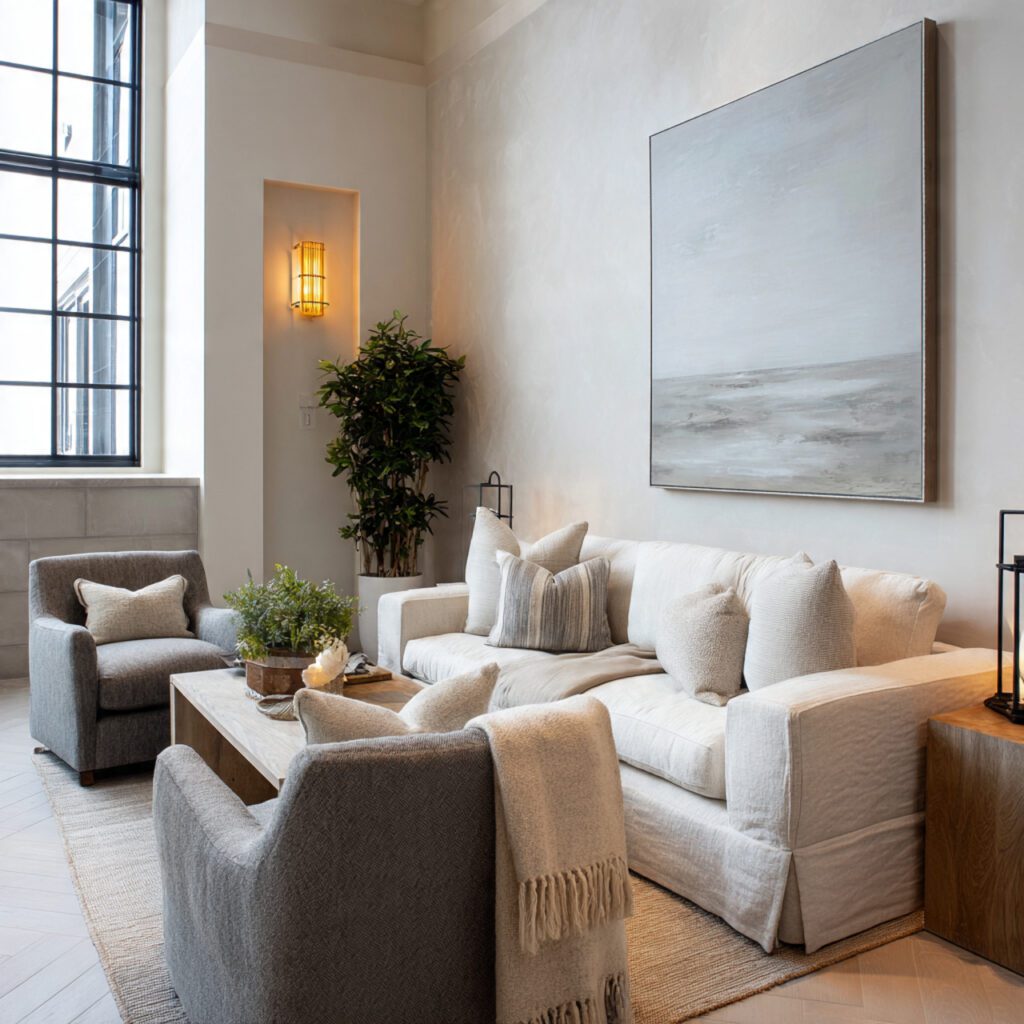
Plants instantly add warmth and life to a home. They soften spaces and improve the overall atmosphere. Even one or two plants can make a room feel fresher and more inviting. Choose plants that suit your light conditions and lifestyle. Designers use greenery to add movement and contrast. Pinterest homes frequently feature plants because they bring color and comfort without overwhelming the space.

14. Choose Art That Feels Calm and Inviting
Art has a strong emotional impact on a space. For a cozy home, choose artwork with soft colors, natural themes, or calming imagery. Avoid overly bold or harsh pieces if your goal is warmth. Designers use art to support the mood of a room rather than dominate it. Pinterest interiors often include art that feels peaceful and blends seamlessly with the décor.

15. Keep a Consistent Style Throughout the Home
Consistency helps create a cozy, flowing environment. When each room feels connected, the home feels calmer and more welcoming. Choose a main style or mood and repeat similar colors, textures, and materials throughout the space. Designers use consistency to make homes feel intentional and cohesive. Pinterest-friendly homes often feel cozy because they avoid abrupt style changes from room to room.
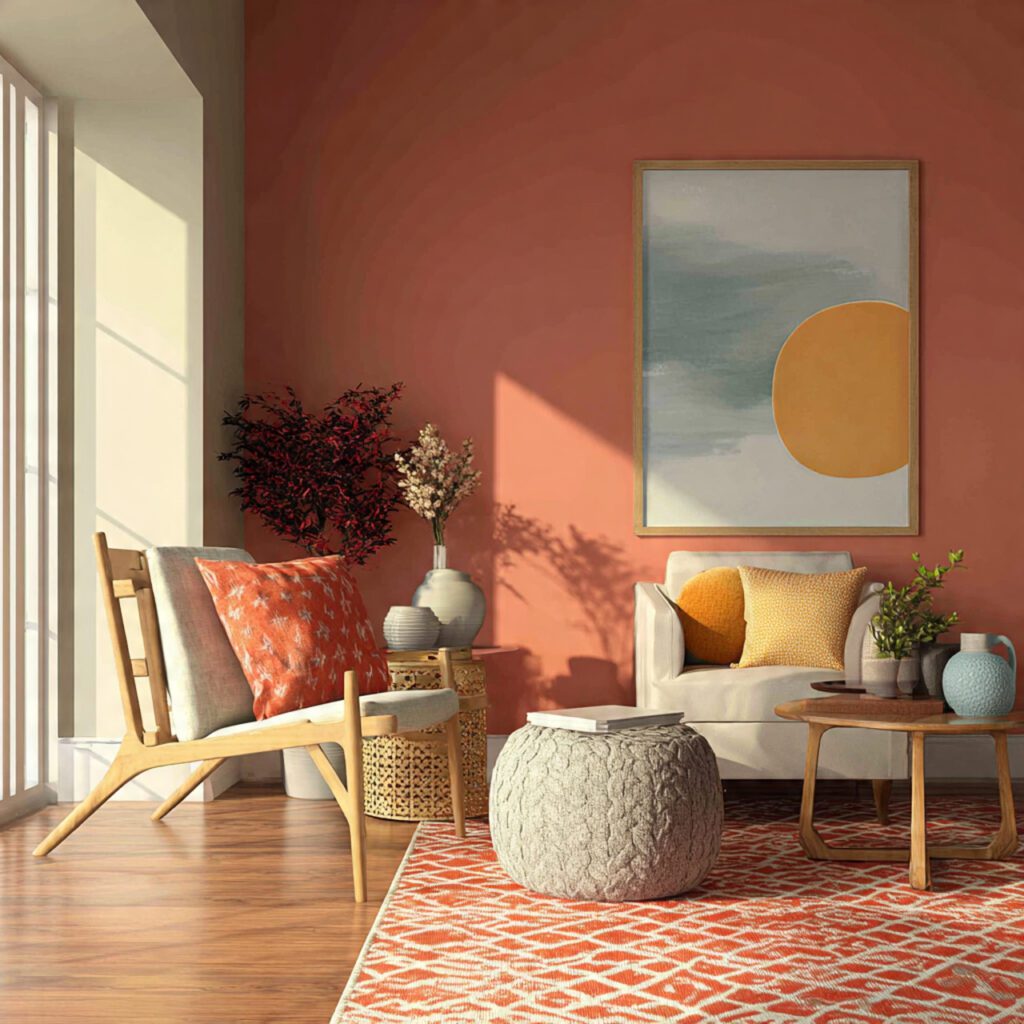
16. Use Scent to Complete the Cozy Feeling
Scent is often overlooked, but it plays a powerful role in how a home feels. Warm scents like vanilla, cinnamon, amber, or soft florals can enhance comfort. Use candles, diffusers, or natural air fresheners to create a subtle fragrance. Designers consider all senses when creating cozy spaces. A home that smells inviting feels instantly more welcoming.

How to Create a Warm and Cozy Home Step by Step
Start by choosing a warm color palette and soft lighting, as these create the foundation for coziness. Next, layer textiles such as rugs, cushions, and throws to add comfort. Introduce natural materials and greenery to bring warmth and life into the space. Create small cozy zones where you can relax and unwind. Finally, edit your space regularly to maintain balance while keeping personal touches visible. Taking a step-by-step approach prevents overwhelm and helps you build a cozy home over time.
Why Creating a Cozy Home Matters
A warm and cozy home supports emotional well-being and relaxation. Comfortable spaces reduce stress and make everyday life more enjoyable. When a home feels inviting, people naturally spend more time there, creating stronger connections and better routines. Designers understand that comfort is just as important as style. Pinterest audiences respond strongly to cozy home ideas because they reflect a desire for calm, warmth, and balance in daily life.
Tips to Maintain a Cozy Home All Year
Refresh textiles seasonally to match the weather, using lighter fabrics in summer and heavier ones in winter. Keep lighting warm and layered regardless of the season. Regularly declutter to maintain a calm environment. Add small updates like new cushions or candles instead of major changes. Pay attention to comfort and function when adding décor. These simple habits help your home stay cozy and welcoming all year long.
Final Thoughts
These 16 proven tips to create a warm and cozy home show that comfort comes from intention, not excess. By focusing on warm colors, soft textures, thoughtful lighting, and personal details, you can create a home that feels inviting every day. A cozy home supports rest, connection, and happiness, making it one of the most valuable spaces in your life.